- 100% Natural
- Premium Quality
- No Preservatives
- Fresh & Healthy
Four small oven-baked filled breads with almonds and paneer, made with a soft yeast-and-yogurt dough.
Almond kulcha is a soft filled bread with finely ground badam, crumbled paneer and mild seasoning. This home version uses a yeast-and-yogurt dough and a hot oven rather than a restaurant tandoor. The filling is savoury and restrained, so the bread can puff and cook without a heavy wet centre.
The main shaping skill is spreading the filling gently while keeping the seal intact. Hard rolling can push nut pieces through the dough. Almond kulcha becomes easier to repeat when the dough is rested, the paneer is dry and the filling portions are divided before assembly.
Allow thirty minutes of active preparation, around an hour for the first rise, a short shaped rest and twelve to eighteen minutes for baking. Use a bowl, rolling pin, tray and suitable baking paper rated for the oven temperature.
The recipe contains wheat, almonds and dairy. A ground nut filling may not be obvious from the outside, so identify it clearly when sharing. Do not call the bread dairy-free because no milk is poured into the dough; yogurt and paneer remain present.
Combine flour, yeast, sugar and salt. Add yogurt and oil, then most of the lukewarm water. Mix into a soft dough and knead for eight to ten minutes until smoother and elastic.
Add remaining water a teaspoon at a time only if dry flour remains. Yogurt thickness affects the final amount. Avoid repeatedly adding large flour and water corrections, which makes the formula hard to track. A soft slightly tacky dough is useful for a tender filled bread.
Cover in a lightly oiled bowl and leave until roughly doubled. Timing varies with yeast and room temperature. Keep away from direct strong heat that dries the surface or warms one side excessively.
If the kitchen is very warm, check earlier rather than leaving the dough for a fixed long period. If cool, allow more time. A visible rise and workable texture are more useful than treating one hour as a guarantee.
Mix ground almonds with crumbled paneer, coriander and spices. The paneer should be drained and surface-dry. Large wet curds can make rolling uneven and create a soft patch in the middle.
Press a spoonful together. It should hold loosely without releasing liquid. Add only the optional teaspoon of yogurt if very crumbly. The filling does not need to become a smooth paste; it needs to stay in place while the dough closes around it.
Turn out risen dough and press gently to release large bubbles. Divide into four equal pieces and rest covered for ten minutes. Divide filling into four portions as well.
This makes the breads more consistent and avoids using most of the filling in the first one. Almond kulcha should have a modest even centre rather than a large mound under a thin fragile shell.
Flatten one dough piece into a small round, keeping the centre slightly thicker than the edge. Put a filling portion in the middle, bring edges together and pinch firmly. Keep filling away from the sealing area.
Place seam-side down and rest for a few minutes if the dough feels tight. Do not pull hard to close an overfilled piece. Remove a little filling rather than stretching the dough until it tears.
Pat and roll gently into a round around 16–18 cm across. Work from the centre outward without pressing aggressively. If filling shows through a tiny patch, stop and handle carefully rather than repeatedly rolling over it.
A slightly irregular circle is acceptable. The useful goal is an even thickness that cooks through. Almond kulcha does not need a perfectly round shape at the expense of a broken seam.
Heat to 230°C conventional or about 210°C fan, staying within tray and paper limits. Put shaped breads on the prepared tray with space and let them rest for fifteen to twenty minutes until slightly puffed.
Do not wait for a very swollen fragile shape. Filled bread can spread or tear if overproofed. Have the oven fully ready when the breads reach a gentle second rise rather than leaving them beside a cold oven.
Bake for twelve to eighteen minutes, checking from about twelve. The surface should show light golden patches and the base should be dry and baked. A pale soft underside may need more time even if the upper surface is attractive.
If the top colours early, cover loosely with foil and check the centre. A raw dough band around the filling is not corrected by brushing with butter. Adjust thickness or oven stage next time if the outside finishes far ahead of the middle.
Move breads to a rack for a short rest, then serve warm. Brush with a little optional butter if wanted. Do not stack very hot breads under a tight lid immediately, because trapped steam can make surfaces wet.
Almond kulcha can accompany a simple lentil dish, vegetables or plain yogurt if suitable. The filling already contains paneer and nuts, so a heavy sweet sauce is unnecessary. Keep wet accompaniments beside the bread until eating.
Use a serrated knife and gentle motion if dividing into wedges. Support the bread from underneath so the filling stays enclosed. For a mixed table, half a small bread can be a practical starting portion.
Explain that this is a savoury home variation, not a sweet almond pastry. Ingredient expectations matter when the outside resembles an ordinary plain bread. Keep the actual recipe information available for guests.
The filling can be mixed earlier and refrigerated promptly in a covered container. Use an appropriate refrigerated dough method if preparing overnight; do not leave this warm-rise formula out through a hot night.
For a larger gathering, test the tray capacity first. Doubling on the same small tray crowds the breads and changes heat circulation. Two manageable batches are more useful than one overloaded bake.
Refrigerate cooked leftovers promptly and use within two days as a conservative household plan. Reheat until thoroughly hot, using 74°C as a useful thermometer target. A brief covered stage can warm the centre, followed by a dry finish if wanted.
Freeze individual cooled breads if needed and thaw in the refrigerator. Texture may change, so test a small portion before relying on freezer preparation for an event. Almond kulcha becomes dependable when filling is dry, rolling is gentle and the base is checked.
This filled bread rewards measured portions and relaxed dough more than extra filling or forceful shaping. Record the yogurt consistency, water amount and successful bake time for the next batch.
Choose the nut texture with almond flour and meal. For a separate pan-cooked stuffed flatbread with a different dough, explore makhana stuffed paratha.
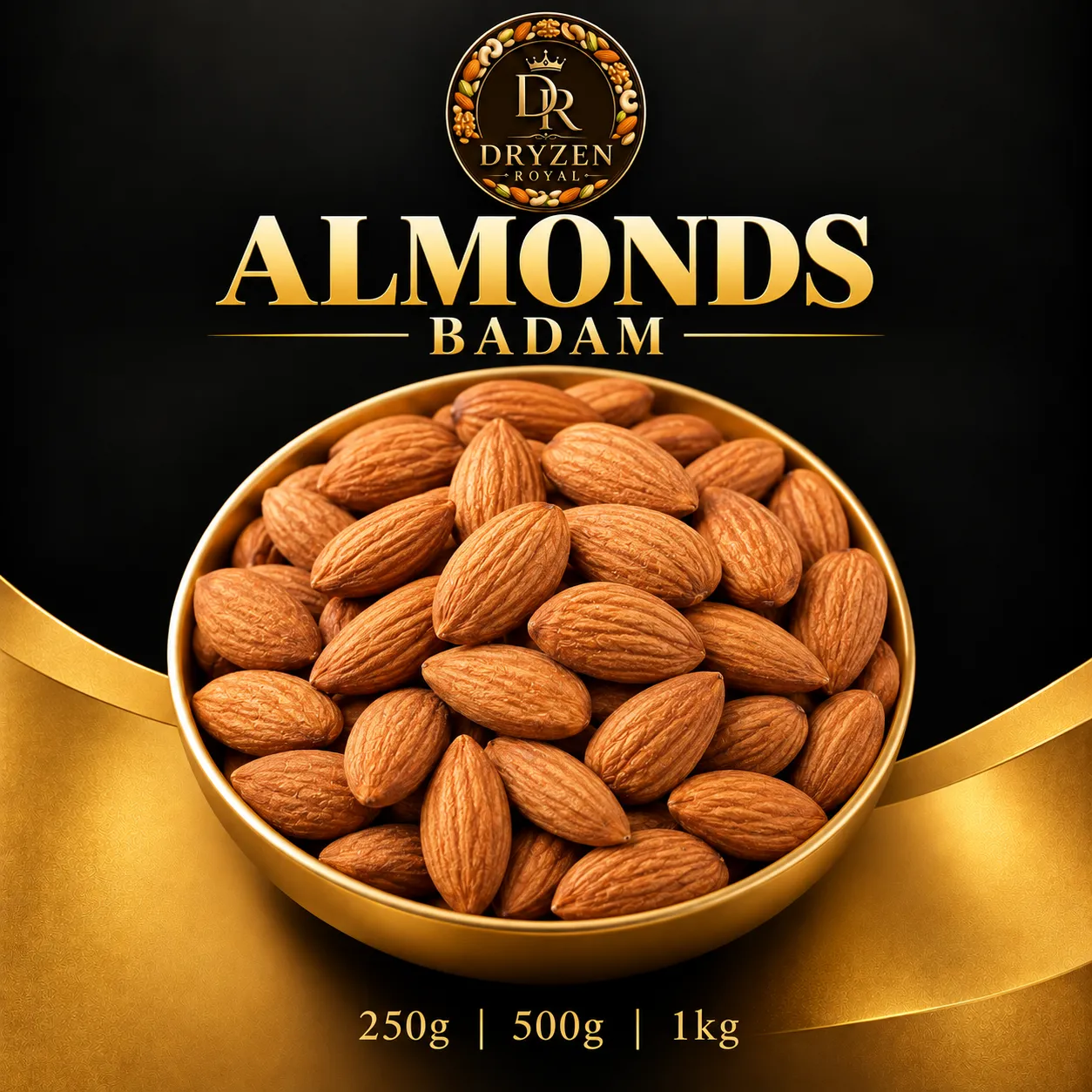
Explore Almonds at Dryzen Royal and choose plain badam for a measured savoury bread filling.
No. It is a savoury filled bread with paneer, almonds and mild seasoning.
Excess moisture can make rolling uneven and leave a wet centre.
Remove some filling instead; stretching can create thin patches and tears.
No. Check the underside and the dough around the filling as well.
Questions about this article?
Email us and we will get back to you.
Explore more
