- 100% Natural
- Premium Quality
- No Preservatives
- Fresh & Healthy
A warm dried-apricot dessert with soft biscuit-like mounds baked over a lightly thickened fruit base.
Apricot cobbler combines softened dried khubani with a spooned biscuit-style topping that bakes into soft golden mounds. It is served from the dish rather than cut into neat bars. The fruit stays gently saucy beneath the topping, creating a different texture from a dry crumble or a pastry tart.
The dried fruit is cooked before assembly so it does not compete with the topping for moisture. A hot fruit base also helps the underside of the dough begin cooking promptly. Apricot cobbler is most useful when you want a warm family dessert without rolling pastry.
Use a shallow ovenproof dish around 20 cm square or a similar-area round dish. Allow twenty minutes for preparing the fruit and topping, followed by thirty to forty minutes for baking. You need a saucepan, bowl, spoon and baking tray to catch any bubbling drips.
A very deep dish changes the balance between fruit and dough. Keep the filling layer modest and leave space above it. The topping should sit in separate mounds with small gaps, not form one thick lid that stays raw underneath.
The topping contains wheat and dairy. Check other ingredient labels where relevant. The fruit contributes sweetness, so the optional filling sugar should be decided after tasting a cooled spoonful, not added automatically because the recipe is a dessert.
Open and inspect the fruit, removing any hard fragments. Cut large pieces into quarters. Put in the saucepan with 400 ml water and simmer gently for ten to fifteen minutes, until pliable and tender.
The fruit should remain recognisable rather than become a smooth purée. If very dry and the pan loses liquid before softening, add water a tablespoon at a time. Do not let the base catch and then scrape burnt fruit into the rest.
Taste a cooled spoonful. Add optional sugar and some lemon juice as needed. Different apricots vary in sweetness and tang, so use the amount that suits the actual fruit. Keep a note if you make a meaningful adjustment.
Stir the cornflour slurry again before adding, then simmer for a minute or two until the liquid lightly coats the fruit. It should be saucy, not a stiff gel. The topping needs some moisture beneath it, but a very watery base can leave a soggy lower layer.
Heat the oven to 190°C conventional or about 170°C fan. Combine flour, baking powder, sugar and salt in the bowl. Rub in cold butter until the mixture resembles coarse crumbs with a few small butter pieces.
Do not melt the butter into the flour for this version. The small cold pieces help create a biscuit-like texture. Work briefly with fingertips or a suitable cutter rather than warming the bowl through prolonged handling.
Pour in most of the milk and stir gently. Add the rest as needed to make a soft dough that drops from a spoon but is not a thin batter. Flour absorption varies, so do not add an extra large splash before assessing.
Stop once dry pockets are moistened. Repeated mixing can make the topping tougher. Apricot cobbler is a spooned rustic dessert, so the dough does not need to look perfectly smooth or be kneaded on the board.
Transfer the hot fruit base to the dish. Spoon topping into six or eight mounds, leaving small gaps where fruit can bubble through. Spread only lightly; do not press dough deep into the sauce.
Set the dish on a baking tray and move to the oven promptly. A cold filling can lengthen the underside's cooking time, so if preparing ahead, reheat the fruit appropriately before assembly or allow for a different bake and check carefully.
Bake for thirty to forty minutes, checking around thirty. The tops should be golden and the fruit should bubble at several points. Insert a thin skewer into the centre of a topping mound; it should not carry wet raw dough.
A browned surface is not enough if the underside remains pasty. If the top colours early, cover loosely with foil and continue. Apricot cobbler needs the biscuit mounds cooked through while the fruit remains moist, not a dry pan of dark crust.
Rest for ten to fifteen minutes after baking. The filling is very hot and thick fruit liquid can burn. A short pause also helps the sauce settle so each spoonful includes fruit and topping rather than a spill of liquid.
Serve apricot cobbler with a broad spoon in small bowls. It is not designed to lift as a tidy square. A rustic portion is expected. Keep any cream, yogurt or ice cream separate until eating.
A small scoop of plain ice cream or spoon of yogurt can contrast with warm fruit. The dessert does not need another sweet syrup. Plain tea or coffee can suit a modest serving after a meal.
If several desserts are present, use smaller spoonfuls. The recipe's yield is a practical guide, not a fixed nutritional instruction. Let the whole menu and diners' preferences determine the portion.
The cooked fruit base can be prepared earlier, cooled promptly and refrigerated. Dry topping ingredients can be measured ahead, but add milk close to baking. A fully mixed dough left waiting can lose some of its intended lift and texture.
Apricot cobbler is easier to organise when the fruit, dry mixture and cold butter are ready before the oven stage. Do not leave a dairy-containing topping on a warm counter for a long period while other dishes finish.
Refrigerate leftovers promptly in shallow covered portions and use within two days as a conservative household plan. Reheat until thoroughly hot, using 74°C as a useful thermometer target. Cover initially if the top is already dark.
The biscuit topping will soften during storage as it absorbs fruit moisture. A brief uncovered oven finish can improve the surface, but it will not become identical to the first bake. Do not repeatedly heat the whole dish for separate servings.
If filling is too thick, reduce the slurry or final simmer on the next attempt. If the topping is dense, check mixing and baking powder. If it is wet underneath, review dish depth, filling temperature and mound thickness before adding more flour.
This fruit bake becomes dependable when the fruit is tender before baking and the topping remains a soft lightly mixed dough. The warm dessert rewards those distinct stages more than a perfectly level surface or an oversized layer of biscuit.
For a firmer sliceable traybake with a different topping, explore apricot crumble bars. Use matching baking dish area before changing the cobbler dish.
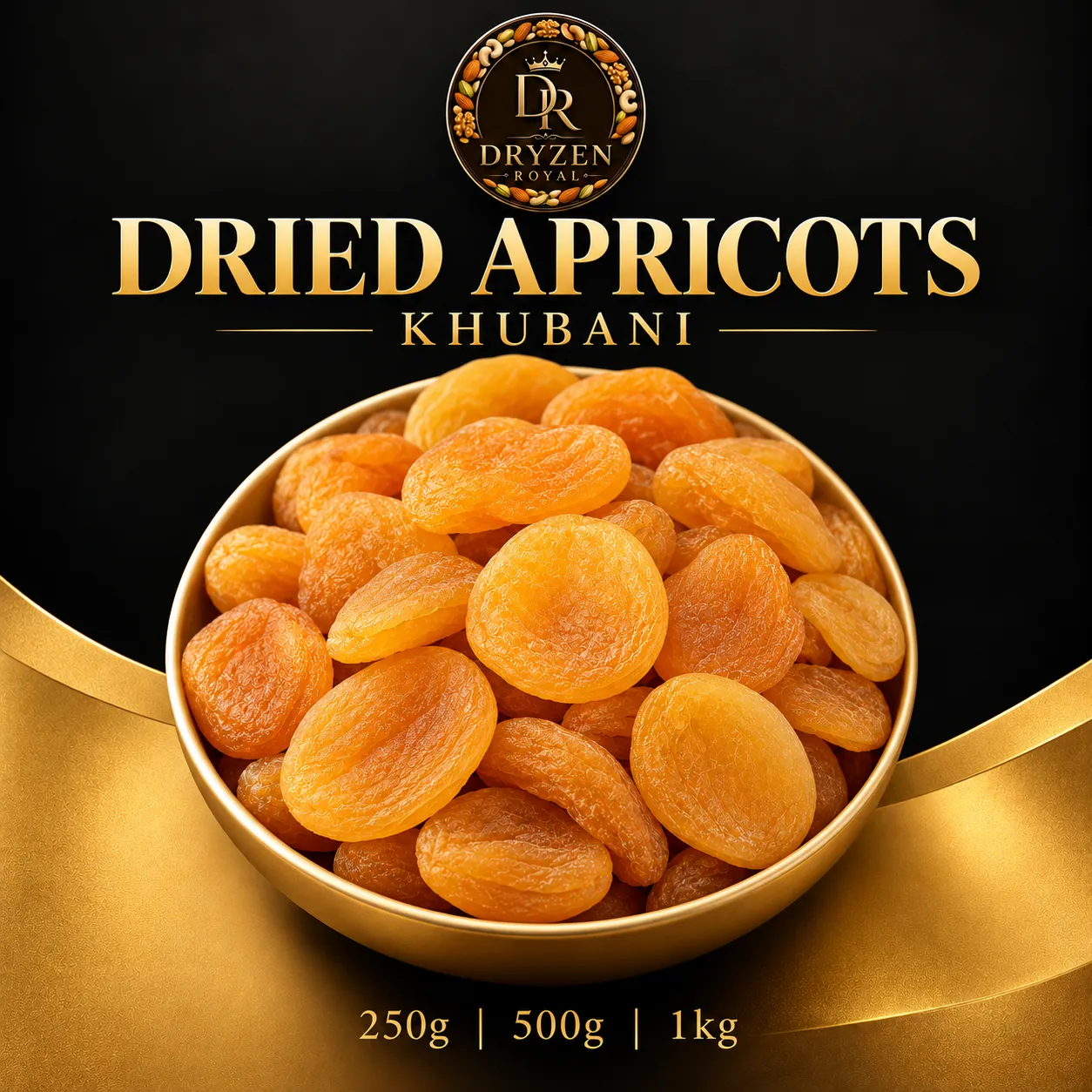
Explore Dried apricots at Dryzen Royal and choose khubani for a small warm fruit dessert.
No. This version is served by the spoonful with fruit and biscuit-like topping together.
They need softening and a controlled sauce before the dough bakes over them.
Separate modest mounds cook more predictably; a thick continuous layer may stay pasty underneath.
No. Check a mound's centre for wet raw dough before finishing.
Questions about this article?
Email us and we will get back to you.
Explore more
