- 100% Natural
- Premium Quality
- No Preservatives
- Fresh & Healthy
Make apricot French toast with a cooked khubani filling, measured egg mixture and careful pan heat. Follow assembly and centre checks for a warm breakfast.
Apricot French toast puts a small cooked khubani filling between bread slices before coating and pan cooking. It is a warm breakfast rather than a baked custard pudding. The fruit needs to be tender, and the filled centre needs cooking even when the outside looks golden.
This recipe makes two modest filled servings. Prepare the filling first and let it lose its heat before assembly. A thin layer is easier to warm through than a large mound that pushes the bread apart.
Allow twenty minutes for filling preparation and about fifteen minutes for assembly and pan cooking.
Choose bread sturdy enough to handle a brief dip. Very thin fresh slices can become fragile, while excessively hard bread needs a different approach.
Check the khubani for stones or hard fragments. Simmer with measured water until tender, then mash and reduce to a spreadable consistency.
Taste a cooled sample before using the optional sugar or lemon. Fruit varies, so start with small additions. Transfer to a shallow bowl and cool before spreading.
Our apricot compote guide offers another texture. A loose compote should be reduced before using it as a sandwich filling.
Spread a modest layer on two slices, leaving a small clear edge. Cover with the remaining slices and press gently to align. Do not squash the bread into a dense block.
A spoonful of extra fruit can be offered separately instead of packing everything inside. This keeps the centre thinner and makes flipping safer.
If preparing more servings, assemble a small working group rather than leaving every filled sandwich in the egg mixture while the pan is occupied.
Whisk eggs, milk and optional cinnamon in a shallow dish. Use a dish large enough for the bread to lie flat.
Dip one filled portion on both sides, allowing excess to drain briefly. The surface should be coated without turning the whole sandwich into a saturated sponge.
Do not taste the raw egg mixture. Assess any sweetness or spice change using a fully cooked test portion.
Warm a sturdy pan over medium-low heat and add a little butter or oil. Place the coated bread carefully and cook until the first side is set and golden.
Turn with a broad spatula and cook the second side. Lower the heat if the butter darkens rapidly or the crust colours before the centre warms.
A lid can be used briefly if appropriate for your pan, but avoid trapping so much steam that the surface becomes wet. Check the filled centre before serving.
Cut carefully and inspect the first serving. The egg coating should be cooked through and the filling hot, not a cold layer hidden inside a browned sandwich.
Offer a little yogurt or fresh fruit separately. A large syrup pour is not necessary because the cooked apricot already supplies sweetness.
For a different khubani breakfast drink, see our apricot iced tea. Keep drink preparation and hot food handling as separate tasks.
If bread collapses, reduce dipping time and consider a sturdier slice. If filling leaks, use less and keep a clear border.
If the outside burns, reduce heat rather than adding more sugar or butter. The centre needs time to cook, so a very hot pan is not a shortcut.
Keep a note of bread thickness and actual pan setting. Those practical details explain timing differences between kitchens.
Refrigerate unused cooked filling promptly in a clean covered container at 4°C or below. Keep it separate from raw egg mixture and dry fruit packs.
Cook the coated servings promptly. If saving cooked leftovers, refrigerate appropriately and reheat thoroughly, expecting a softer texture.
Identify wheat, eggs and milk, plus additional ingredients in the bread. A change of milk does not automatically make the dish suitable for every allergy.
Inspect and chop the apricots before cooking the filling, keeping its water measured. Weigh and inspect before starting the hot stage, then close the source packs. Small prepared bowls reduce interruptions and make accidental double additions less likely. If you pause midway, mark which ingredients have already entered the mixture.
Cool the filling while preparing the bread and egg mixture so assembly is controlled. Allow the component that needs cooling or resting to begin first. Keep the next piece of equipment ready so the transition is controlled. The clock is useful for planning, but the stated texture and appearance remain the more important cooking cues.
Cook one filled portion first and inspect its centre before making the remaining servings. Make one measured correction, mix thoroughly and reassess. A small test portion helps prevent an irreversible adjustment across the whole recipe. Keep notes on the preparation used, because a different product or pan can explain a different result.
Serve promptly and keep any yogurt or cream accompaniment cold until the plate is ready. Plan the serving container and storage space before making a larger batch. Do not assume twice the ingredients fit safely into the same pan or cool in the same time. Protect the reserve from repeated handling and label any transferred food clearly.
Cut the test serving through the middle and look at the bread beside the filling. It should not contain raw wet egg mixture. Note the bread thickness, approximate heat and cooking time. A later batch made with thinner slices may finish sooner, so keep the centre check rather than treating one minute count as universal.
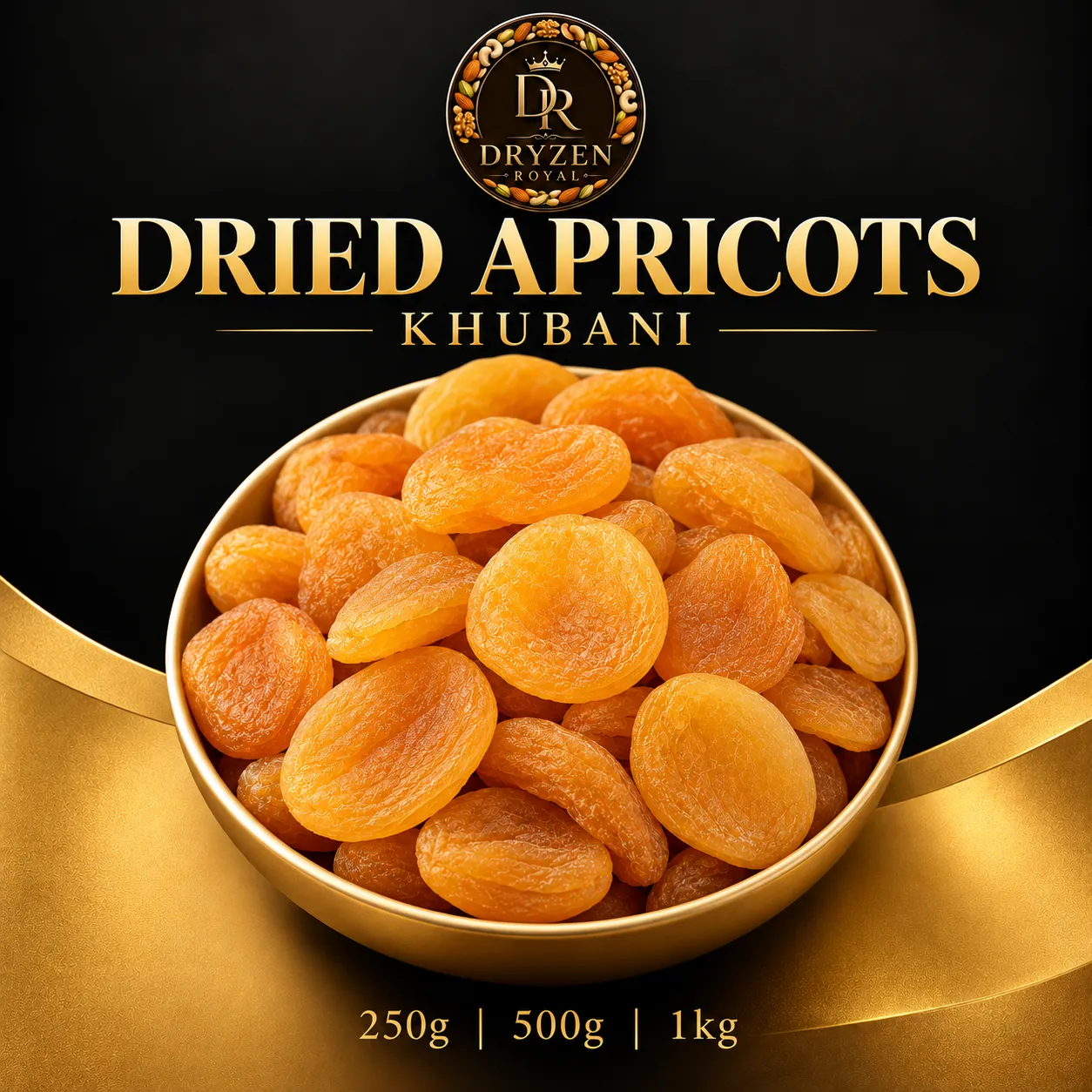
Explore Dried Apricots (Khubani) when planning apricot french toast. Check the current preparation and pack information, choose the quantity your recipe needs, and keep the remaining dry ingredients stored as directed.
Cook and soften them first so the filling matches the soft bread and cuts comfortably.
No. A brief even coating is enough; very wet bread can collapse and leave a difficult centre.
Cool promptly and refrigerate separately, then assemble close to cooking.
No. Use moderate heat and check the filled centre rather than colour alone.
Questions about this article?
Email us and we will get back to you.
Explore more
