- 100% Natural
- Premium Quality
- No Preservatives
- Fresh & Healthy
A tangy dried-apricot glaze designed for a thin finishing coat rather than a heavy pour.
Apricot mustard glaze combines softened dried khubani with mustard and vinegar to make a tangy coating for food near the end of cooking. It is thicker than a dressing and smoother than a chunky relish. A thin brushed layer catches the heat and adds colour without burying the flavour of roasted carrots, cauliflower or already cooked chicken.
The recipe begins with dried fruit rather than jam, so you can adjust the added sugar after tasting. Mustard brands vary in sharpness and salt, while dried apricots vary in sweetness and firmness. Treat the final tasting as part of the method. Apricot mustard glaze should taste lively on a teaspoon because it will be spread thinly over a much larger amount of food.
This makes roughly 250–300 g, depending on how far you reduce it. Allow 15 minutes for softening the fruit and another 10–15 minutes for blending and simmering. You need a small saucepan, a blender or hand blender, a fine sieve if desired and a clean heatproof jar for refrigerated storage.
A smooth prepared mustard gives a uniform glaze. Wholegrain mustard leaves visible seeds and can also work, but a very coarse version may clog a narrow squeeze bottle. Mustard powder is not a straight tablespoon-for-tablespoon substitute. Use prepared mustard for the first batch and note the brand so you can reproduce the balance.
Read the mustard label for allergens and other ingredients. This sauce is not automatically suitable for everyone simply because the main ingredient is fruit. If you plan to serve it to guests, keep the original packaging available and explain what is in the sauce. Do not describe it as sugar-free: the dried fruit itself contributes sweetness.
Cut the apricots into quarters. Put them in the saucepan with 180 ml water and bring to a gentle simmer. Cover partly and cook for 10–15 minutes, stirring occasionally, until a piece crushes easily against the side of the pan. Particularly firm fruit may need more time and an extra splash of water.
Remove from the heat and let the mixture cool enough for your blender's safety instructions. Never seal boiling fruit inside a personal blender cup. For a hand blender, use a deep narrow container and keep the blade submerged. Hot thick fruit can spit, so begin at low speed and protect your hands from splashes.
Blend the softened apricots with their cooking water until smooth. Add mustard, vinegar, oil and black pepper, then blend again briefly. Taste a cooled spoonful. Only now decide whether it needs the optional teaspoon of honey or sugar. Adding sweetness before the mustard and vinegar can make the finished sauce unnecessarily sweet.
If you want a particularly smooth brushing sauce, pass it through a sieve. This is optional and will reduce the final yield a little. Scrape the underside of the sieve so the fine purée is not wasted. Do not force tough pieces or possible stone fragments through it; any hard fragments should have been removed during preparation.
Return the mixture to the clean saucepan and simmer gently for about 3–5 minutes, stirring. A brush dipped into it should hold a thin coating that spreads easily. If it sits in a stiff mound, add water a teaspoon at a time. If it runs off like juice, simmer a little longer.
Remember that the glaze thickens as it cools. Stop just before it reaches the thickness you want for cold storage. A wide pan reduces it more quickly than a narrow saucepan, so use appearance rather than treating the time as exact. Keep the heat low enough that the fruit does not catch at the bottom.
Before coating a full tray, brush a little onto a piece of cooked carrot or cauliflower and taste it. The sweetness and acidity will seem different against food than straight from the spoon. If the result is too sharp, add a small amount of water and reassess before adding more sugar. If too sweet, add vinegar in half-teaspoon steps.
Write down any adjustment. A tablespoon is a substantial change in a batch this size, especially with strong mustard. Small measured changes make apricot mustard glaze easier to repeat. For a family with mixed tastes, leave the main batch moderately tangy and offer extra mustard separately.
Roast vegetables with a little oil and seasoning until nearly tender. Brush with a thin layer of glaze for the final 5–10 minutes, checking often. Fruit sugars can darken quickly under strong top heat. Use a second thin coat if wanted rather than a thick sticky blanket that burns at the edges before warming through.
For chicken, cook it safely first and confirm the thickest part reaches 74°C. Use a clean brush and a separately portioned bowl of glaze for the finishing stage. Do not return a brush that touched raw poultry to the jar, and do not pour that working bowl back into the stored sauce. The glaze does not replace proper cooking or temperature checks.
Spread a thin layer inside a warm cheese sandwich before toasting, or loosen a spoonful with a little water for a vegetable bowl. Keep these uses modest because the sauce is concentrated. For a dipping portion, spoon it into a clean small dish rather than letting everybody dip directly into the storage jar.
Apricot mustard glaze can also finish roasted potatoes, but add it only after their crust has formed. Coating raw potatoes early keeps the surface damp and exposes the fruit to too much heat. Tossing a few pieces first lets you judge whether your household likes the balance before seasoning an entire tray.
Transfer the finished sauce to a clean container and refrigerate promptly. For a conservative home plan, make only what you will use within three days. This is an untested homemade sauce, not a validated canning recipe. Vinegar in the ingredient list does not establish that the whole mixture is safe for room-temperature storage.
Use a clean spoon each time. Freeze small portions if you want to keep some for another cooking day, leaving a little space for expansion. Thaw in the refrigerator and stir; a small amount of water can restore the brushing consistency. Label the contents and preparation date so it is not mistaken for a sweet breakfast spread.
Apricot mustard glaze is most useful when treated as a finishing tool: soften the fruit properly, balance the flavour in small steps, keep the layer thin and protect the stored batch from used utensils. Those habits make a small jar more versatile without needing complicated ingredients or a long list of flavourings.
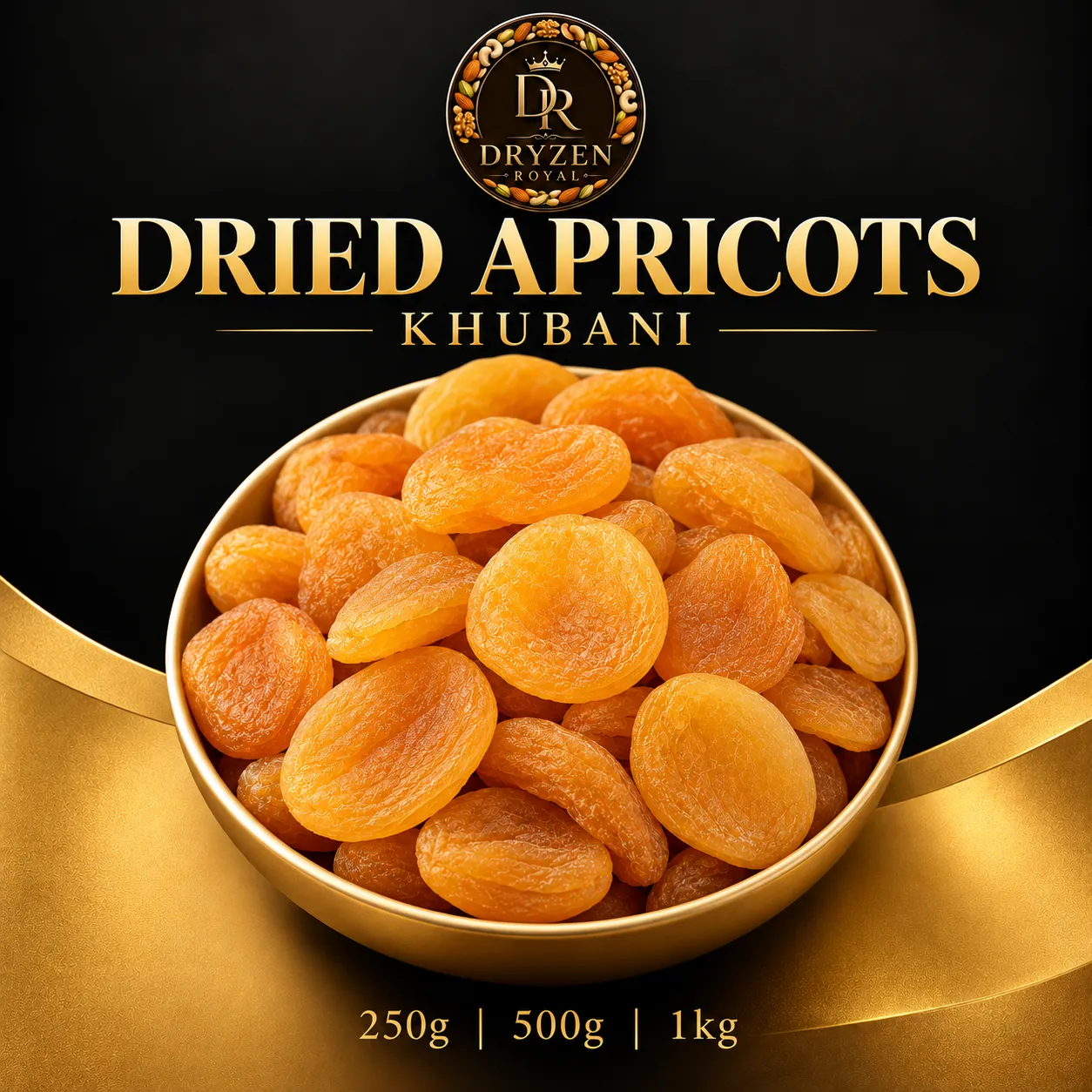
Read choosing dried apricots when selecting your fruit. For a sweeter spoonable topping with a different purpose, see apricot compote.
Explore Dried apricots at Dryzen Royal and plan a small batch of glaze for your next roast-vegetable meal.
Portion apricot mustard glaze into a working bowl before starting the roast, so the clean jar stays away from the cooking area.
Not in the same quantity. Use prepared mustard for the measured recipe because powder has a different strength and moisture level.
Brush it on near the end of roasting, once the vegetables are nearly tender, so the fruit does not scorch.
No. This is not a tested canning recipe. Keep it refrigerated or freeze measured portions.
No. Portion glaze into a separate working bowl and keep the storage jar away from raw-poultry utensils.
Questions about this article?
Email us and we will get back to you.
Explore more
