- 100% Natural
- Premium Quality
- No Preservatives
- Fresh & Healthy
Prepare cacao nib chocolate mousse with a strained cream infusion and melted chocolate. Follow cooling, folding and chilling cues for four soft dessert cups.
Cacao nib chocolate mousse uses a short cream infusion to bring nib aroma into a smooth chocolate base. The nibs are strained because they do not dissolve. The mixture is then folded with whipped cream for a soft cup dessert without raw egg.
This recipe makes four modest portions. It is not intended to stand as an unmoulded cake. Cooling the chocolate base is important: too hot and it melts the whipped component, too firm and it folds in uneven lumps.
Allow thirty minutes for preparation, plus cooling and several hours of refrigeration.
Read the chocolate and cream labels. Sweetness and setting behaviour vary, so use a plain product you enjoy and record it for later batches.
Warm 100ml cream with the nibs until steaming, avoiding an aggressive boil. Remove from heat and let stand briefly, around five minutes.
Strain through a suitable fine sieve into a heatproof container. Keep hands away from steam and stabilise the sieve before pouring.
Measure the strained cream and restore to 100ml with a little of the extra cream if necessary. This keeps the base ratio clearer.
Our nib comparison guide explains why solid nib pieces differ from melted chocolate.
Pour the hot strained cream over finely chopped chocolate. Leave briefly, then stir from the centre until smooth.
If small pieces remain, warm gently using suitable equipment. Keep water splashes out and avoid long high-heat bursts.
Allow the mixture to cool until fluid but no longer hot. A small spoonful should feel comfortably warm, not enough to melt a cold cream sample immediately.
Whip the separate 100ml cream to soft peaks in a clean bowl. Stop before graininess develops.
Add optional icing sugar only if wanted after considering the chocolate sweetness. The base does not need to be strongly sweet on its own.
Keep the bowl cool while the ganache reaches the right texture.
Stir a small portion of whipped cream into the chocolate base to lighten it. Fold the rest gently with a spatula.
Scrape from the base and turn the bowl without vigorous beating. Stop once evenly combined.
If the base has become hard, do not force large cold lumps through the cream. Warm and reassess the base separately before combining.
Divide among four clean food-safe glasses, leaving a little headspace. Cover and refrigerate until thoroughly cold.
Maintain 4°C or below. Several small servings chill more predictably than one deep large bowl.
A little grated chocolate or a tiny dry topping can be added near eating. Keep the main filling smooth rather than adding a heavy nib layer that hides its texture.
Our hot chocolate recipe uses a milk infusion and a different serving temperature.
Do not assume a drink ratio sets into mousse. The chocolate-to-cream balance and folding stage do different work here.
If heavy, check whether the base was too cold or the folding too vigorous. If loose, review cream suitability and whether the ganache was still hot.
If gritty, determine whether the issue is chocolate not fully melted or nib particles passing through the sieve. Those require different preparation changes.
Record chocolate type, cream product and infusion volume. That makes the next small trial more useful than changing every ingredient together.
Serve only the required cups and keep untouched reserves covered in the refrigerator. Use clean utensils.
Do not return wet used nibs to the dry pack. Close the source container before cleaning the straining equipment.
Check dairy and chocolate ingredients for guests, and avoid caffeine-free, medical or universal allergy claims.
Chop chocolate and measure the cream portions before heating the nib infusion. Keep this preparation separate from the unused ingredient packs. Put measured amounts in small bowls so a pause or interruption does not lead to the same ingredient being added twice. Retain the original labels when ingredients are transferred into other containers.
Prepare the smooth base first and cool it before whipping the separate cream. Check the equipment and available space before starting the stage that needs continuous attention. A short written order of tasks can prevent a cooked component waiting unnecessarily while another is still being prepared. Use the stated texture cues alongside the clock.
Taste a small combined sample and assess texture before adding optional sugar. Make the smallest practical adjustment, combine it fully and reassess before adding more. Keep a note of the quantity actually used and the preparation of the source product. This gives the next batch a clear reference instead of several simultaneous changes.
Keep individual cups covered and refrigerated, serving only the portions needed. Separate the working amount from the untouched reserve and choose packaging that suits the prepared food. A dry ingredient and a dish made from it can have different storage requirements. Keep serving utensils clean and ingredient information accessible to anyone sharing.
Chill a small spoonful of the combined mixture in a separate cup if you want a first-batch reference. Compare it only once cold, because warm ganache and a fully chilled mousse behave differently.
Record the chocolate product and restored cream volume. A darker or differently formulated bar can change firmness without any change to the folding method. Keep the same base for a second trial before adding several new flavourings or changing the cream quantity.
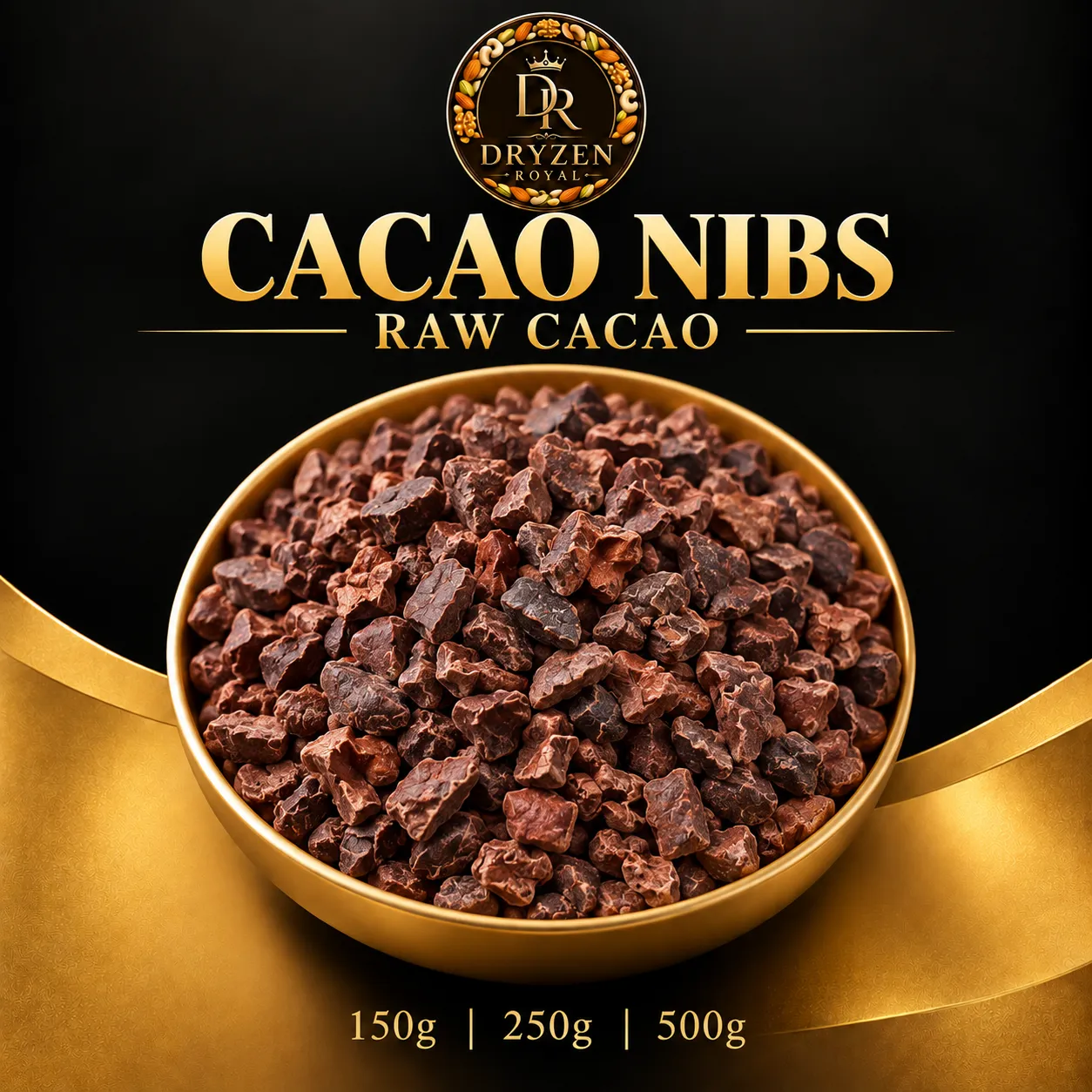
For ingredients for cacao nib chocolate mousse, view Premium Raw Cacao Nibs. Review the current product details and choose a pack that fits your cooking or gifting plans.
No. This method infuses and strains them before making the smooth base.
Let the base cool to a suitable workable temperature first so it does not melt the airier component.
No. This formula uses cream; check all actual ingredients.
No. It is a perishable chilled dessert.
Questions about this article?
Email us and we will get back to you.
Explore more
