- 100% Natural
- Premium Quality
- No Preservatives
- Fresh & Healthy
A condensed-milk chocolate fudge with finely chopped cacao nibs, prepared without a boiled sugar syrup.
Cacao nib fudge combines melted chocolate and condensed milk in a firm but soft-biting square, with small cocoa pieces folded through it. This version does not use a boiled sugar syrup, so the method is different from traditional crystalline fudge. The texture depends strongly on the chocolate and condensed milk chosen.
The nibs provide contrast rather than sweetness. They do not melt into the mixture like chocolate chips. Cacao nib fudge is a small-batch sweet to cut into modest pieces, and it is easiest to repeat when the ingredient weights and tin size stay consistent.
Use a 15 cm square tin or a similar-area container lined with baking paper. The recipe makes about sixteen small squares, depending on thickness. Allow fifteen minutes for preparation and at least four hours for chilling, with additional time if the kitchen is warm.
You need a heatproof bowl over gently simmering water or a heavy saucepan on very low heat, a spatula and scales. Prepare the tin before melting because the mixture thickens as it cools. Leave paper overhang to lift the set slab without digging at the corners.
Use sweetened condensed milk, not evaporated milk. They are different products and will not give the same set. Chocolate composition also varies. A milk chocolate replacement changes sweetness and firmness, so do not assume the same formula works identically.
Read the chocolate and condensed-milk labels for dairy, nuts, soy or other relevant ingredients. Cacao nib packaging may include manufacturing allergen information too. The recipe should not be described as dairy-free while condensed milk and butter remain in it.
Chop chocolate into fairly even pieces so it melts without a few large lumps sitting in an overheated mixture. Finely chop the nibs separately. Large hard fragments can dominate a soft square, while very fine powder loses the distinct crunch.
If using a bowl over simmering water, make sure the base does not touch the water and the bowl sits securely. Keep steam and splashes from entering the chocolate mixture. Use a dry spatula and dry bowl.
A microwave method can also work if the appliance and bowl are suitable, using short intervals and frequent stirring, but this guide's main method uses gentle stovetop heat. Do not combine several heating methods at full strength because the mixture seems slow to melt.
Put chocolate, condensed milk and butter in the bowl or heavy pan. Warm gently, stirring until the chocolate is mostly melted and the mixture becomes smooth. Remove from the heat while a few small pieces remain and stir to finish with residual warmth.
Do not boil aggressively. Excess heat can make the mixture oily, grainy or difficult to spread. A smooth thick mass is the target, not a bubbling syrup. Add optional vanilla and salt once the mixture is evenly combined.
Add prepared cacao nibs and fold until distributed. Reserve a teaspoon for the surface only if you want a visible finish, accounting for it within the measured quantity. Do not add an extra handful because the chocolate looks plain.
Cacao nib fudge should contain a modest scatter of crunch, not a dense layer of hard pieces. Test the amount on the first batch before changing it. A small square can carry more nib texture than expected because the chocolate base is soft.
Scrape into the lined tin and spread with the spatula. Press gently into corners without repeatedly working the surface. If using reserved nibs, scatter lightly and press just enough to attach.
Leave at room temperature only briefly to lose strong heat, then refrigerate appropriately until firm. Do not seal a very hot slab tightly and trap a large amount of condensation. Follow safe handling for the dairy ingredients and keep the setting tin away from raw foods.
Chill for at least four hours, preferably overnight for an easy cutting stage. The centre should hold its shape when the paper is lifted. A soft warm edge does not tell you whether the fully chilled formula will set, so avoid adding extra chocolate after only a short wait.
If the slab remains very soft after a full chill, check the product types and measured quantities. Evaporated milk, a low-chocolate compound with different fats or a much larger condensed-milk amount can change the result. More chilling is not a universal repair.
Lift the slab using the paper and place on a stable board. Let it stand briefly only if too hard to cut cleanly. Use a sharp knife, wiping between cuts. A four-by-four grid makes sixteen pieces in a 15 cm square tin.
Cacao nib fudge is rich and sweet, so small portions are practical on a mixed dessert plate. A knife warmed and dried between cuts may help, but a wet blade can mark the surface. Support the slab rather than pressing it off the edge of the board.
Offer cacao nib fudge with plain tea or coffee. A large sauce or cream topping is unnecessary. If gifting, use food-safe liners or paper between pieces so they do not press into one another during handling.
Include ingredient and storage information with homemade gifts. Do not promise the pieces will remain firm in a hot car or outdoor setting. The texture is temperature-sensitive, and a box alone does not provide cold storage.
Keep the pieces covered in the refrigerator. For a conservative household plan, use within five days, following any stricter ingredient guidance. This is not a validated commercial shelf life. Bring out only the portion needed and return the reserve promptly.
Freeze small separated portions if wanted, recognising that condensation can affect the surface on thawing. Thaw in the refrigerator inside a closed container, then assess texture before serving. Avoid repeated thawing and refreezing.
An oily surface may follow excess heat or a chocolate formulation that behaves differently. Graininess can also come from overheating or incomplete mixing. Do not add water casually to a thick fudge mixture; that changes the setting balance.
If the nibs feel too hard or large, chop more finely next time rather than cooking them longer in the chocolate. They are meant to remain crisp. Cacao nib fudge is not a method for dissolving the nibs into a smooth cocoa base.
Write down the chocolate brand, condensed milk type, tin area and final chill time. Those details explain many differences between batches. This small chocolate sweet becomes dependable when the heat stays gentle, the nib quantity is restrained and the slab is allowed to set fully before cutting.
The simple ingredient list does not remove the need for measuring. A small consistent batch gives you a useful baseline, while untracked extra milk or chocolate makes the result harder to repeat.
For a thin set-chocolate treat with a different structure, explore cacao nib chocolate bark. Use cutting chilled dessert squares when dividing the chilled slab.
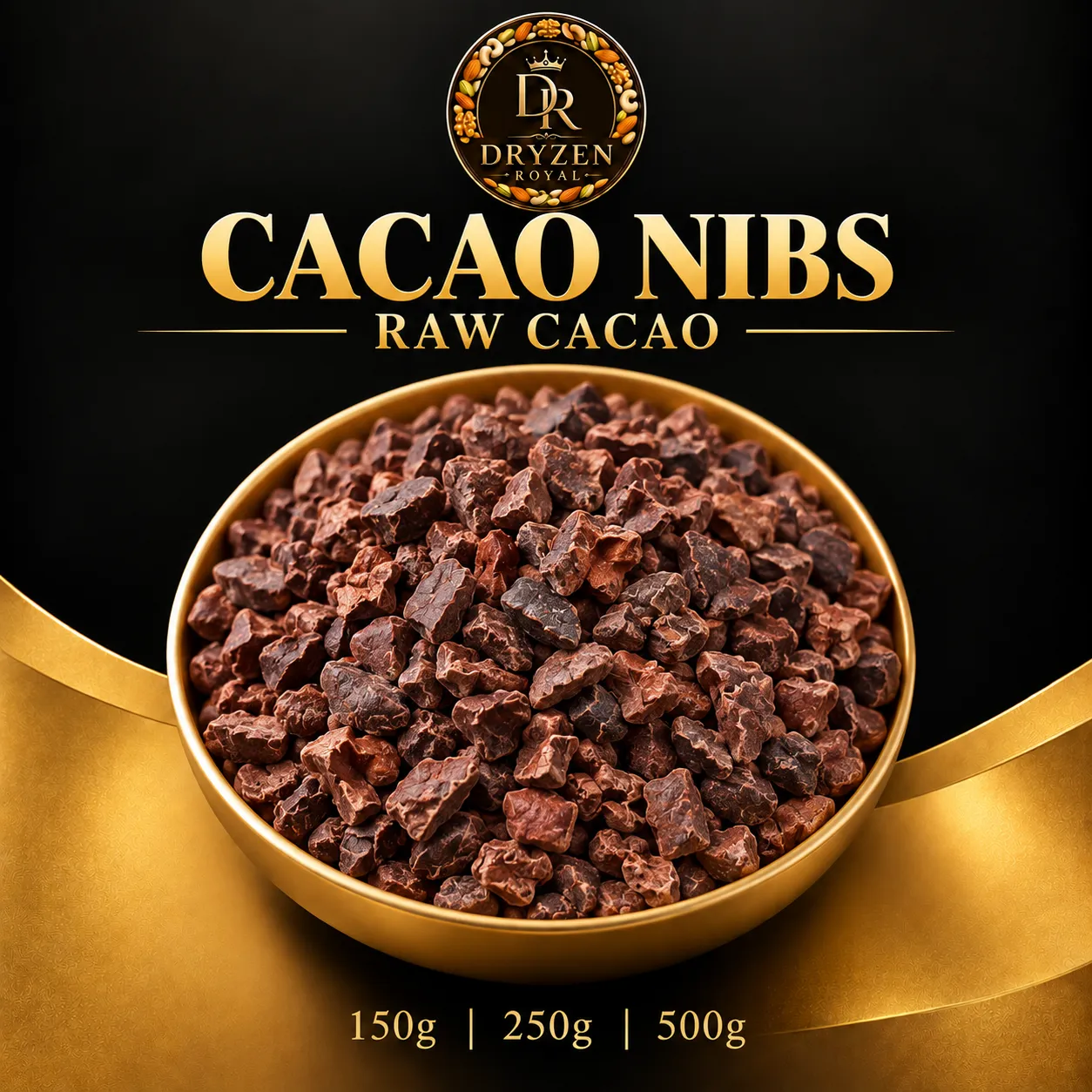
Explore Cacao nibs at Dryzen Royal and choose nibs for a measured cocoa-crunch finish in homemade sweets.
No. They differ in sugar and composition, and the set will not be the same.
No. They remain firm pieces and should be chopped to a manageable size.
No. Melt gently; this condensed-milk method does not use that syrup stage.
Confirm the chocolate product, condensed-milk type, ingredient weights and tin size before assuming more chill time will fix it.
Questions about this article?
Email us and we will get back to you.
Explore more
