- 100% Natural
- Premium Quality
- No Preservatives
- Fresh & Healthy
Freeze cacao nib yogurt bites with thick yogurt, small fruit pieces and a measured topping. Learn mould filling, freezing and serving cues for a small batch.
Cacao nib yogurt bites are small frozen portions made from thick yogurt, fruit and a little unsweetened cacao crunch. They are not chocolate bark and do not melt into the same texture as dairy ice cream. The yogurt and fruit remain the main body, with nibs used sparingly.
This recipe uses a freezer-safe mini mould or a lined shallow container. Choose a size that is comfortable to eat rather than creating large hard blocks. Keep the main batch frozen while serving only a few portions.
Allow fifteen minutes for preparation and enough freezer time for the portions to become firm, usually several hours depending on size.
Read the yogurt ingredients and choose a product you enjoy before freezing. Freezing does not remove unwanted flavour or establish suitability for every diet.
Wash and dry fruit appropriately, remove unsuitable parts and cut into small pieces. Excess surface water can contribute to iciness.
Crush unusually large nib fragments slightly with a mortar. Do not grind everything into a fine gritty powder.
Our cacao nib comparison explains their unsweetened solid texture. Sweet chocolate chips behave differently.
Stir yogurt with optional vanilla and only enough sweetener to suit the actual product. Taste with a clean spoon and keep the reserve cold.
Fold in most fruit and nibs gently. A small scattering can remain for the surface. Do not overfill the mix with large fruit chunks that prevent even mould filling.
Keep a note of the yogurt used. A thinner product can freeze much harder or icier, so it is not necessarily corrected by adding more sugar at random.
Spoon into clean freezer-safe mini moulds, leaving appropriate room. Tap gently to settle obvious air pockets without splashing.
If using a shallow lined container, spread a thin even layer and plan to cut or break manageable pieces after freezing. Follow the container's temperature guidance.
Cover as suitable and freeze on a level shelf. Do not place an unstable tray where it will tip onto other food.
Once firm, unmould according to the equipment instructions. Avoid prolonged warm soaking that melts the outside while the centre remains hard.
Let a serving soften briefly if needed for comfortable eating. Frozen hard pieces may be unsuitable for young children or anyone with chewing difficulty.
The result is tangy and firm, with small pieces of fruit and nib. It is not guaranteed to have the softness of a churned commercial product.
For a smoother frozen-fruit option, our banana and cacao frozen dessert uses a different base and blending method.
If too icy, review yogurt thickness, fruit water and portion size. If too sweet, reduce the optional sweetener on a later batch rather than changing every ingredient.
Store in covered freezer-safe packaging, ideally around −18°C, and label the preparation date. Avoid repeatedly thawing and refreezing a serving tray.
Identify dairy and any additional product ingredients. Cacao may contain caffeine; do not describe this as automatically caffeine-free or make medical claims.
Use a clean dry spoon for the nib reserve. Wet yogurt utensils should never return to the original dry pack.
When scaling, consider mould capacity and freezer space as well as ingredient weights. A deep container freezes differently from small portions.
Cut fruit into small pieces and measure thick yogurt before filling clean freezer-safe moulds. Weigh and inspect before starting the hot stage, then close the source packs. Small prepared bowls reduce interruptions and make accidental double additions less likely. If you pause midway, mark which ingredients have already entered the mixture.
Prepare the dry topping separately so it remains identifiable until assembly. Allow the component that needs cooling or resting to begin first. Keep the next piece of equipment ready so the transition is controlled. The clock is useful for planning, but the stated texture and appearance remain the more important cooking cues.
Freeze one small test portion if you are uncertain about a new yogurt's texture. Make one measured correction, mix thoroughly and reassess. A small test portion helps prevent an irreversible adjustment across the whole recipe. Keep notes on the preparation used, because a different product or pan can explain a different result.
Serve manageable pieces and return the untouched reserve to appropriate frozen storage. Plan the serving container and storage space before making a larger batch. Do not assume twice the ingredients fit safely into the same pan or cool in the same time. Protect the reserve from repeated handling and label any transferred food clearly.
A small shallow mould makes it easier to release only a few pieces. If using a slab, keep the layer even so thin edges do not thaw far ahead of a thick centre. Follow the container's guidance before flexing or tapping frozen material out.
For a first trial, freeze one spoonful separately and assess the texture before making a much larger batch. Some yogurt products produce a firmer or icier result than expected. That does not mean the recipe needs an unlimited amount of sweetener.
When serving, place a few pieces on a small plate rather than displaying the full reserve. Keep a clean utensil for untouched pieces. Melted leftovers that have been repeatedly handled should not be mixed back into a newly frozen batch simply because they look similar.
Keep a brief preparation note with the actual quantities used for your next batch.
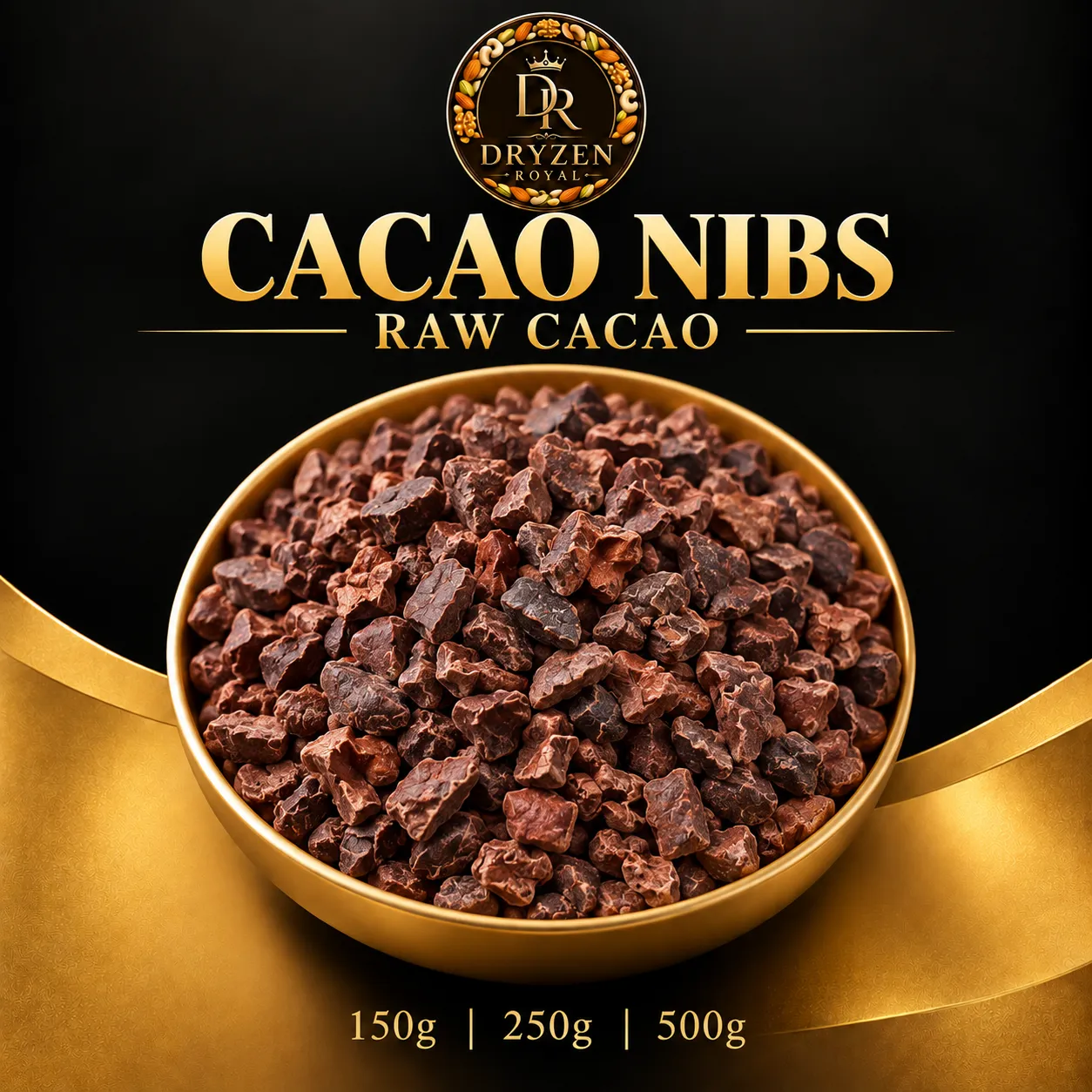
Explore Premium Raw Cacao Nibs when planning cacao nib yogurt bites. Check the current preparation and pack information, choose the quantity your recipe needs, and keep the remaining dry ingredients stored as directed.
No. Crush large pieces if needed and use them as a small crunchy addition.
It freezes differently and can be icier. Use the thick yogurt specified for the first trial.
Bring out small portions and keep the reserve frozen.
No. Describe the actual yogurt, fruit and any sweetener accurately.
Questions about this article?
Email us and we will get back to you.
Explore more
