- 100% Natural
- Premium Quality
- No Preservatives
- Fresh & Healthy
A fresh, coarse coconut-and-cashew relish with lime, onion and a controllable chilli level.
Cashew coconut sambol is a fresh coarse relish with grated coconut, finely chopped kaju, onion and lime. It is inspired by coconut sambol, with cashews added as a home variation rather than a claim that nuts belong in every traditional version. The mixture is spooned beside a meal, not blended into a creamy sauce.
The flavour should be bright and the texture loose. A little chilli adds warmth, but the amount can be reduced for a mild family table. Cashew coconut sambol is most enjoyable freshly mixed, when the lime and onion remain distinct and the nuts still have a gentle bite.
The quantities make about 250 g, enough for four small side servings. Allow 15–20 minutes if the coconut is already grated. You need a sharp knife, board, citrus squeezer and a bowl. A mortar can be used for gentle mixing, but a blender is unnecessary for this coarse version.
Fresh coconut and sweetened desiccated coconut are different ingredients. Sweetened flakes will change both flavour and texture. Unsweetened dried coconut needs a separate hydration approach and is not the measured base here. If using frozen grated coconut, thaw in the refrigerator and drain excess water.
Fresh coconut should smell clean and pleasant, without sourness or rancid notes. If cracking a whole coconut, use a safe method and check the flesh before grating. Do not assume a lime dressing makes questionable coconut suitable. Discard any ingredient with visible spoilage or an abnormal smell.
Remove hard shell fragments from grated coconut. A fine-to-medium grate blends more evenly with the chopped nuts than long thick strips. Keep the prepared coconut covered and refrigerated if you are not mixing immediately. It is a perishable ingredient, unlike a sealed packet of dry nuts.
Chop cashews into pieces around 2–3 mm. Whole nuts make the relish awkward to spoon and distribute unevenly. If the nuts are raw, you can toast them lightly in a dry pan for 3–5 minutes, stirring, then cool fully before chopping. Avoid dark roasting, which can dominate the coconut.
Already roasted plain cashews can be used without another toast. If salted, reduce the added salt and taste after mixing. A flavoured snack coating is not ideal because it introduces seasonings you have not measured. Keep the first batch simple enough to understand the lime, coconut and nut balance.
Finely dice the onion so no large raw pieces interrupt a spoonful. If it tastes very sharp, rinse briefly in cold drinking water and drain thoroughly, then pat dry. Do not leave a wet pile of onion in the mixture; extra water makes the relish loose and dulls the lime balance.
Wear suitable care when chopping chilli and avoid touching eyes afterward. Remove seeds for a milder result if wanted, but remember the flesh can still be hot. The recipe gives powder or fresh chilli as options, not an instruction to add both at full strength.
Combine coconut, chopped cashews, onion, salt and the chosen chilli. Add one tablespoon lime juice and mix gently, rubbing lightly if using clean hands. The aim is to distribute seasoning without crushing everything into paste. Add optional coriander at the end.
Taste a small portion with a clean spoon. Add more lime in teaspoon steps if needed. The mixture should feel bright but not sit in a pool of juice. Cashew coconut sambol changes as it rests, so wait five minutes and taste again before making a large correction.
Do not blend the bowl to solve uneven chopping. A processor can turn coconut and cashews oily and dense. If a few nut pieces are too large, lift and chop those separately. The relish is meant to scatter over a spoonful of rice or sit beside a crepe, not coat food like mayonnaise.
If too dry, add a teaspoon of lime or a teaspoon of drinking water, choosing based on acidity. If too wet, first drain any free liquid carefully. Adding more salt does not thicken it. A little extra grated coconut can help, but note the changed proportion for the next batch.
Cashew coconut sambol pairs with plain rice, a lentil dish or a simple savoury crepe. Its fresh onion and lime are useful beside softer cooked food. Offer a small amount first so diners can judge the chilli level. A relish is an accompaniment, not a large bowl intended to replace the meal.
Keep it in a separate dish rather than mixing the full quantity into hot rice well before serving. Heat and steam soften the coconut and nuts. Add to individual plates at the table so the contrast remains clear. Use a clean serving spoon and keep used eating utensils out of the bowl.
For a mild batch, omit chilli and let diners add heat separately. For a more citrus-forward version, add a little finely grated lime zest, avoiding thick white pith. Do not add a spoonful of sugar automatically; the coconut and cashews already have a naturally mild sweetness.
This version omits dried fish ingredients sometimes found in sambol variations. If you add any, explain that clearly to guests and reconsider the seasoning. Likewise, adding nuts changes the allergen profile of a plain coconut relish. Cashew coconut sambol should be described by its actual ingredients rather than a broad label that hides the variation.
Chop the nuts and set out dry seasonings ahead. Keep grated coconut and chopped onion separately refrigerated. Squeeze lime and combine near serving. This staged method is better for texture than mixing a large bowl in the morning for an evening outdoor meal.
If transporting, use a sealed chilled container with an appropriate cold pack. Do not treat the relish as a dry travel snack because cashews are present. The fresh coconut and onion determine the cold-storage needs of the finished mixture.
Refrigerate leftovers promptly and, for a conservative household plan, use within 24 hours. The onion and lime flavour will strengthen and the nuts will soften. This is not a tested commercial shelf life, and freezing is unlikely to preserve the same fresh texture.
Cashew coconut sambol is most useful when made in a quantity that fits one meal. Fine chopping, clean coconut and gradual lime addition do more for the result than a long ingredient list. Keep the mixture cool, coarse and clearly labelled, then let each diner add the amount that suits the rest of their plate.
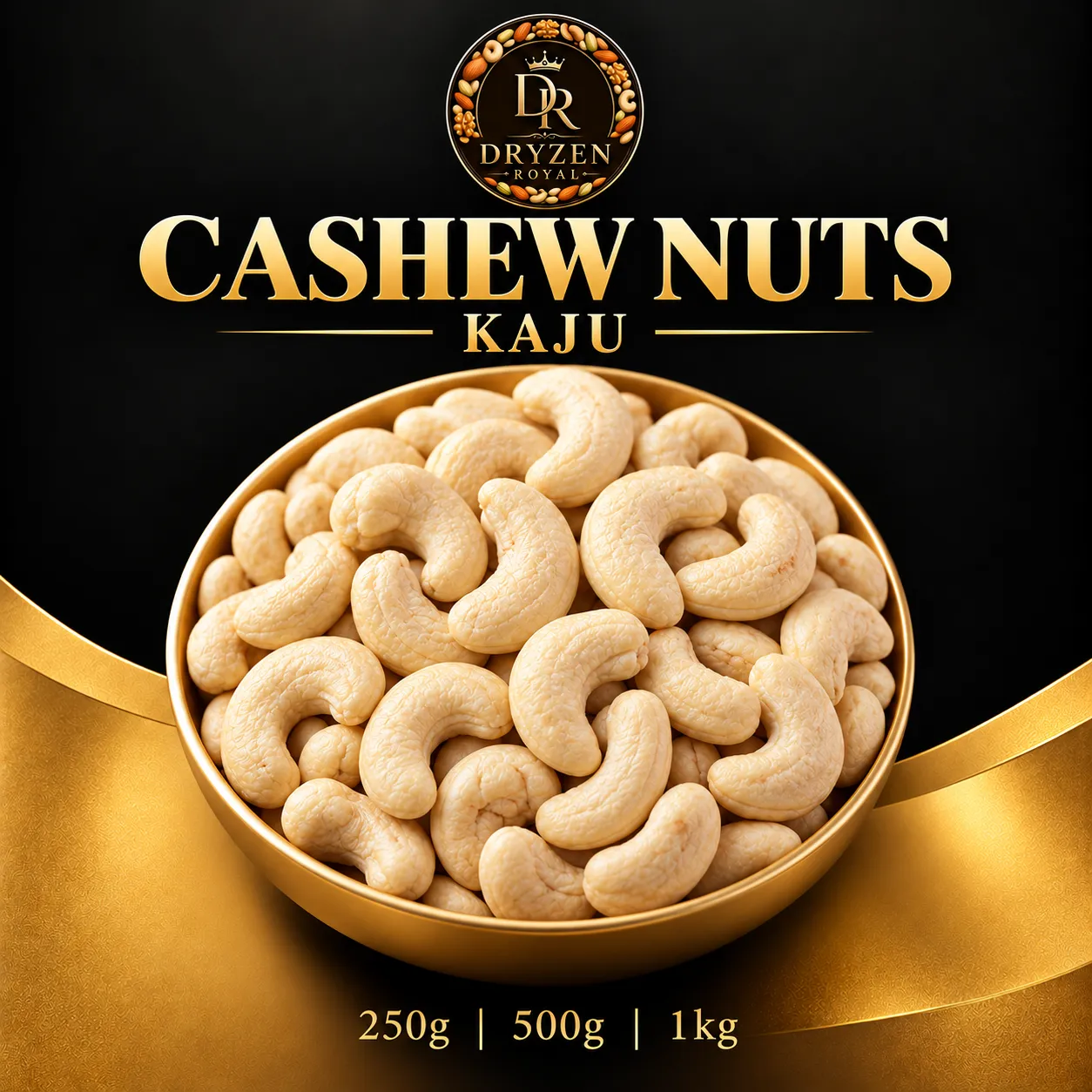
For a smooth sauce instead of a coarse relish, explore smooth cashew dressing. Use whole and broken cashews to choose nuts for chopping.
Explore Cashews at Dryzen Royal and choose plain nuts for a small batch of fresh savoury relish.
Not for this measured version. They change sweetness and texture; use fresh or plain frozen grated coconut.
No. This version is a coarse relish. Blending can make the nuts and coconut oily and dense.
No. It uses coconut, cashews, onion, lime and optional chilli; explain any personal additions to guests.
No. Fresh coconut and onion make the finished mixture perishable; transport it chilled.
Questions about this article?
Email us and we will get back to you.
Explore more
