- 100% Natural
- Premium Quality
- No Preservatives
- Fresh & Healthy
A practical guide to blending plain kaju into a smooth curry base, with small-batch quantities, texture fixes and ideas for everyday cooking.
Making cashew paste for curry is a useful way to give a sauce body and a mellow nut flavour. The basic mixture needs only plain cashews and water, but the amount of liquid, the blender jar and the point at which you add it all affect the result. Start with a small batch so you can adjust the richness of your own recipe.
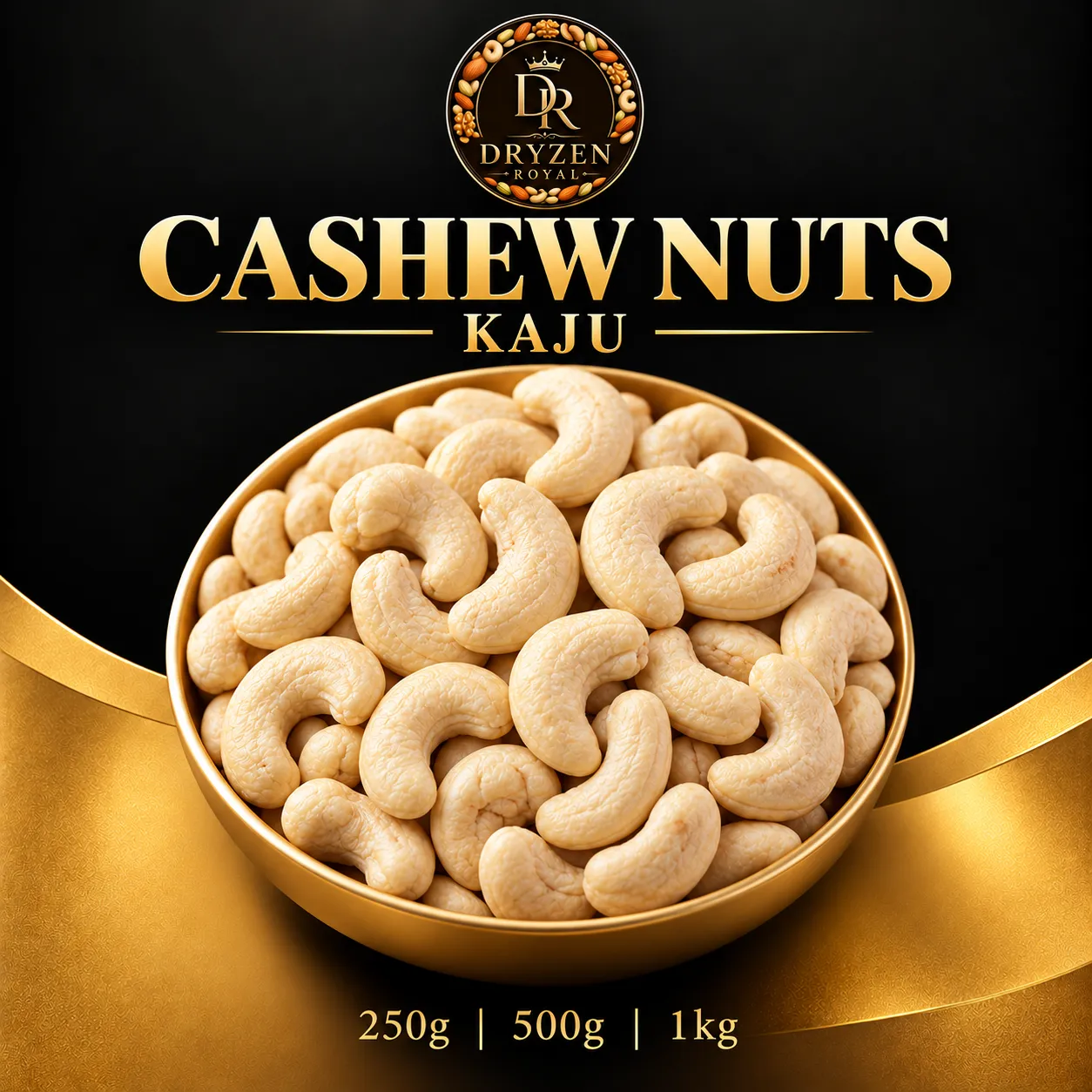
Use shelled, plain, unsalted cashews. Whole nuts and clean pieces can both work because they will be blended. A chilli-coated snack pack brings its own seasoning, while heavily roasted nuts give a darker, more pronounced flavour. Neither is a direct replacement when you want a pale, gently flavoured base.
Check the ingredient list and the condition of the pack before beginning. Do not use nuts with mould, an unusual rancid smell or signs of contamination. Blending and spices will not make spoiled ingredients suitable to eat. If you are deciding between shapes, our whole versus broken cashews guide explains the practical differences.
For a starting batch, measure 50 g cashews and prepare 60–90 ml clean drinking water for blending. You will also need enough warm water to cover the nuts briefly, a small blender jar and a spatula. This is a flexible cooking base, so the final yield depends on how much liquid your machine needs.
Follow your appliance instructions: do not pour boiling water into a sealed personal blender. A wide jug may struggle with this small quantity because the blades sit above the mixture. Switch to a smaller jar rather than adding so much water that you lose control of the curry's consistency.
Prepare the onion, tomato or spice base as your chosen recipe directs. Lower the heat before stirring in a spoonful of cashew paste for curry, then add a splash of water or stock. Stir thoroughly so the paste disperses instead of sitting against the bottom of the pan.
Let the sauce simmer gently, stirring regularly and checking the thickness. Add more paste only after seeing how the first spoonful changes the sauce. A curry that already contains cream, yogurt or another nut paste may need less. Keep the final dish's cooking requirements separate: adding kaju does not replace the cooking needed for meat, poultry or other ingredients.
The paste contributes body; it does not supply all the flavour. Taste the complete curry for salt, acidity and spices near the end. A small amount of lemon or tomato may balance a rich sauce, but use the ingredients that suit your recipe rather than adding everything at once.
A high-speed blender may produce a finer texture than a small chopper. If your machine leaves visible particles, a fine sieve can remove them, though some of the nut solids will be lost. The most useful test is the texture you want in the finished dish.
Try a small spoonful in a vegetable curry when you want a thicker gravy. Stir it into a mushroom sauce with garlic and black pepper for a different flavour direction. Or use it in a recipe that specifically calls for a kaju base, following that recipe's quantities and cooking steps.
Cashew paste for curry is different from dry-ground kaju or cashew butter. Ground nuts contain no added water, while nut butter is blended until the nut oils create a spread. Their behaviour and concentration differ, so do not swap them spoon for spoon without adjusting liquid and checking texture.
For a larger batch, keep the same starting proportion of nuts to water, but still add the last part of the liquid gradually. Label any frozen portions with the preparation date and amount so you know how much you are adding later. When thawing, use the refrigerator and stir the paste before cooking; some separation can occur. If you are using cashew paste for curry for the first time, record the amount that worked in your own recipe.
Prepare only what you need when possible. Refrigerate unused paste promptly in a clean covered container and use it soon, or freeze small portions. A water-based homemade paste should not be treated like a shelf-stable jar of dry nuts.
For the finished curry, follow USDA guidance for leftovers: refrigerate within two hours, or within one hour when temperatures exceed 32°C, and use refrigerated leftovers within three to four days. Follow a shorter limit if another ingredient or the recipe requires it.
This preparation contains cashews. Tell anyone sharing the meal, and check the other ingredients for their dietary needs. For shopping, explore Dryzen Royal cashew nuts and confirm the current pack options. With a suitable blender and gradual additions, cashew paste for curry becomes a straightforward way to adjust a sauce to your taste.
Yes. Plain, unsalted cashew pieces can be blended just like whole cashews. Check their condition and ingredients before use.
No. This paste contains added water. Cashew butter is made by blending nuts into a spread, so the concentration and texture differ.
Start with a spoonful, let it disperse and simmer gently, then assess the texture. The amount depends on the recipe and the other ingredients.
Questions about this article?
Email us and we will get back to you.
Explore more
