- 100% Natural
- Premium Quality
- No Preservatives
- Fresh & Healthy
A savoury chicken and khubani dish with a measured sweet-tangy balance.
dried apricot chicken is a useful home-kitchen recipe when you want a clear method and a flexible result. This guide explains how to prepare dried apricot chicken in manageable stages, make careful texture adjustments and serve it without overcomplicating the ingredient list.
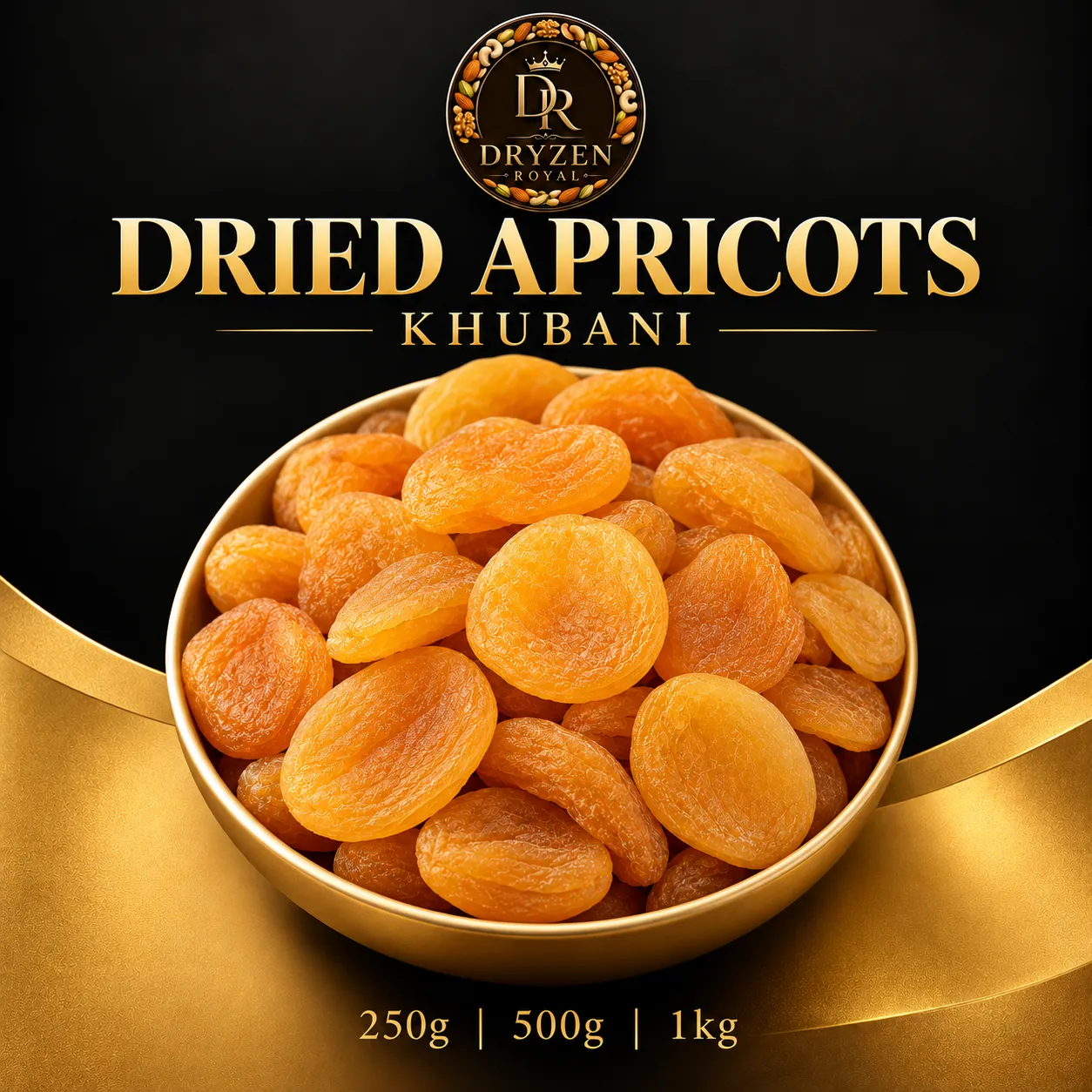
Start with good-quality ingredients and measure the main elements before cooking. Choose plain, unseasoned products where possible, because this gives you better control of salt, sweetness and spice. Keep a small amount of the key ingredient aside for a final garnish if you want a visible contrast.
These quantities should suit a modest household batch. Adjust the amount to match the rest of your meal rather than automatically doubling every timing instruction. A wider pan or larger dish can change how quickly liquids reduce or how evenly food cooks.
Wash, chop and measure ingredients before turning on the heat. Pieces of a similar size cook more evenly and are easier to serve. If dried fruit or nuts need chopping, use a stable board and keep the pieces small enough to fit comfortably in the finished dish.
Begin with the ingredient that requires the most time. Keep the heat moderate and check texture regularly; exact timing varies with equipment, ingredient size and starting temperature. Add delicate herbs, citrus and crunchy components later so their flavour and texture remain clear.
Stir regularly when a mixture is simmering, baking or blending. Add liquid in small amounts, pausing to assess the consistency. A hot mixture often thickens as it rests, so avoid adding too much extra liquid before checking the result after a short pause.
Taste a small spoonful before adding more seasoning. If a dish feels flat, a modest pinch of salt or a small squeeze of citrus may help; if it is too sharp, a little more of the base ingredient usually works better than adding several new flavours at once.
Add the final garnish close to serving. This is especially useful when the recipe includes chopped nuts, seeds, toasted crumbs or dried fruit, which can soften when left in a moist base. Transfer dried apricot chicken to a clean serving dish and leave some of the base visible beneath the topping.
Serve in portions that suit the meal: smaller bowls for a side or dessert, or a larger plate when it is intended as part of the main spread. Keep extra garnish in a separate dry bowl so people can add it as they prefer.
Change one element at a time. A different herb, small amount of citrus zest or a compatible fruit can alter the direction without making the method unpredictable. Try the original version first, then note which adjustment changes the flavour or texture most usefully.
When serving guests, make the ingredient list clear. A nut or seed remains present even when it has been blended or finely chopped. Check all supporting products separately where an allergy or dietary preference matters.
Cool perishable leftovers promptly in a clean shallow container, cover and refrigerate. Store unused dry ingredients according to their package instructions. Reheat food thoroughly where appropriate, and add a fresh dry garnish after reheating instead of expecting stored toppings to remain crisp.
Explore Dryzen Royal ingredients for current pack details. For a related preparation, read our related guide. For general kitchen handling, see the FDA safe food handling guide.
Check the finished dried apricot chicken after a short rest, because temperature can change how thick, crisp or sweet it feels. If it needs adjustment, make one small change and taste again. This approach protects the original balance and helps you repeat the method with confidence next time.
Prepare the base ahead when practical, then add any crisp garnish close to serving for the best texture.
Taste after each small change and adjust seasoning, thickness or sweetness gradually.
Questions about this article?
Email us and we will get back to you.
Explore more
