- 100% Natural
- Premium Quality
- No Preservatives
- Fresh & Healthy
Softened khubani and thick yoghurt make a small dip for fruit, toast and simple snack plates.
Dried apricot yogurt dip brings the tang of plain yoghurt together with the sweetness of khubani. The fruit is softened first, then mashed or blended before being folded into the yoghurt. You can leave small pieces for texture or make a more uniform dip, depending on what you plan to serve alongside it.
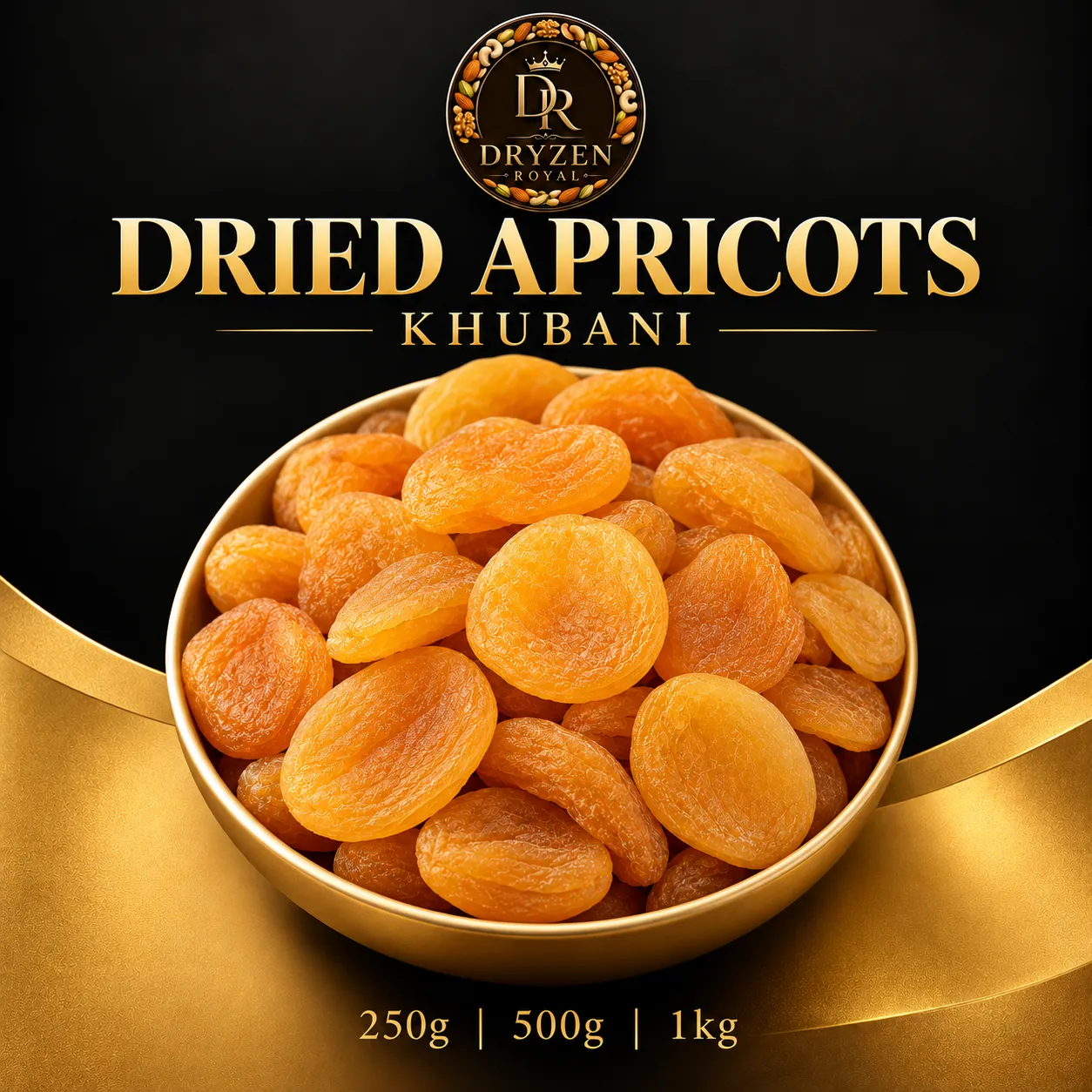
For a small sharing bowl, use 60 g dried apricots, 200 g thick plain yoghurt and approximately 80 ml water for softening the fruit. Optional additions include a quarter teaspoon finely grated orange zest and a small pinch of ground cardamom. Keep extra water nearby in case the pan becomes dry.
Choose plain yoghurt rather than a sweetened flavoured version, so you can judge the fruit's contribution. The recipe does not automatically need honey or sugar. Taste the finished mixture first and decide whether any extra sweetness suits your preferences.
Dried apricots differ in colour, firmness and sweetness. Use the product you enjoy and follow its preparation directions. Check that any stones have been removed, then cut the fruit into small pieces so it softens more evenly.
A darker apricot can make a deeper-coloured dip, while a bright orange product gives a different appearance. Do not judge flavour from colour alone. Read the ingredient list if you need information about preservatives or other added ingredients.
Put the chopped apricots and water in a small saucepan. Bring to a gentle simmer and cook until the pieces can be mashed easily, checking regularly. Firm fruit may need longer and an extra spoonful of water. Stop before the mixture catches on the bottom.
Mash with a fork for a textured result. For a smoother version, use an appropriate small blender after the fruit has cooled sufficiently for your appliance. Keep the mixture fairly thick; watery fruit puree can turn a dip into a pouring sauce.
Cool the fruit, then stir the yoghurt in a bowl until smooth. Fold in most of the apricot mixture and taste. Add the remainder if you want a stronger fruit flavour, or keep a spoonful to swirl over the top.
Add optional orange zest or cardamom sparingly. Transfer the dip to a clean serving bowl and refrigerate promptly until needed. A visible swirl is attractive, but thoroughly mixed fruit gives a more even flavour in every spoonful.
Serve dried apricot yogurt dip with apple or pear slices, plain toast fingers or lightly sweet biscuits. Dry the fruit after washing so surface water does not dilute the dip. Put out small quantities and replenish from the refrigerator when serving over a longer gathering.
The same mixture can be spooned onto pancakes or a breakfast bowl. A very thick dip may need a small spoonful of yoghurt to loosen it for that use. Avoid adding lots of water simply to change its consistency, because that also weakens the flavour.
If the dip is too runny, start with thicker yoghurt next time and reduce the cooking liquid more carefully. For the current batch, serve it as a sauce rather than trying to disguise its texture with unnecessary dry ingredients.
If it tastes too sharp, add a little more apricot puree before reaching for sweetener. If too sweet, fold in extra plain yoghurt. Make changes in small amounts so you do not end up with a much larger batch than you need.
Use clean spoons, keep the prepared dip covered in the refrigerator and make a modest batch for near-term use. Label the dairy content, and check any biscuits or optional toppings separately. A plant-based yoghurt changes the flavour and thickness, so choose a plain product and reassess the recipe as you mix.
See Dryzen Royal dried apricots for current product details. For related preparation ideas, read our dried apricot compote recipe.
For practical kitchen precautions, see the FDA kitchen hygiene and refrigeration guidance.
Yes, but a runny yoghurt produces a looser dip. Use thick plain yoghurt or strain it in the refrigerator first.
Cool the cooked fruit before mixing so the dip keeps a better texture and can be chilled promptly.
Questions about this article?
Email us and we will get back to you.
Explore more
