- 100% Natural
- Premium Quality
- No Preservatives
- Fresh & Healthy
Improve dry fruit gift photography with window light, clear composition and accurate details. Plan phone angles, clean backgrounds and honest gift images.
Dry fruit gift photography can be clear and attractive with a phone when the light, background and actual contents are organised. A good image helps someone understand the gift. It should not imply extra products, a larger weight or a certification that the real item does not have.
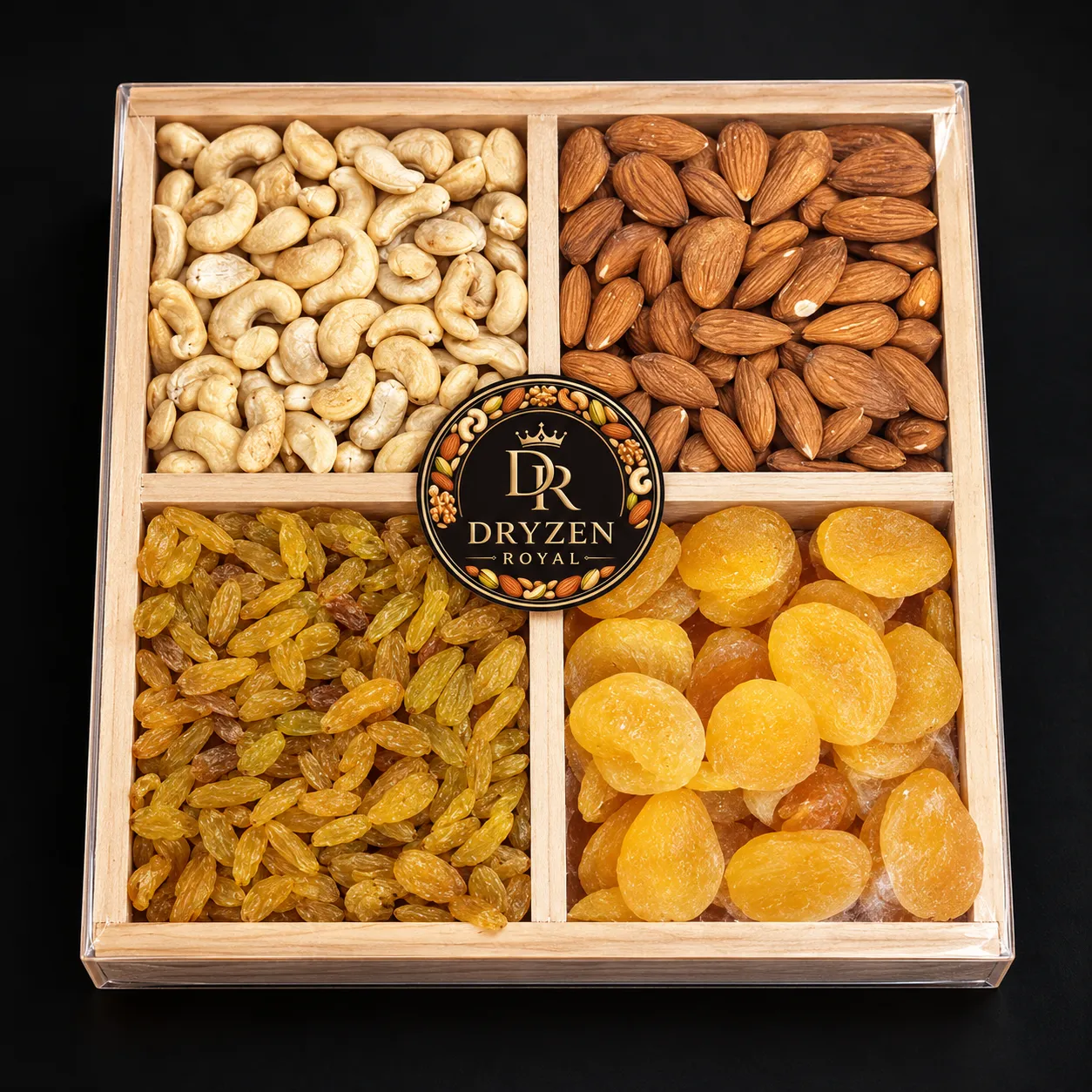
This guide is for personal gift pictures and small home-style product presentations. It does not promise a sales result or search ranking. The aim is a readable image that reflects the object accurately.
Check what the box actually contains and how it is supplied. Photograph that arrangement rather than adding extra nuts only to make the compartments look fuller.
If photographing a styling example rather than an order-ready product, make that distinction clear in any caption. A beautiful image should not leave the viewer guessing what is included.
Remove loose scraps and wipe suitable outer surfaces according to their care guidance. Do not spray food or use unsuitable substances to create a glossy effect.
Move personal messages, addresses, phone numbers and order details out of a public frame. A readable gift card may contain information that belongs to the recipient.
Use a blank styling card if needed and identify it as such where relevant. Do not invent a customer endorsement or certificate.
Keep food handling clean and minimise the time contents remain exposed.
A place near a window can provide useful indirect light. Avoid strong direct sun that creates harsh reflections or warms the food.
Turn the box gradually and compare shadows. A simple white board or clean light surface opposite the window can soften a dark side.
Do not balance unstable lamps or hot equipment above food. The setup should be easy to use safely and dismantle.
Choose a plain surface that contrasts enough with the box edges. A busy patterned cloth can hide compartment details.
One or two relevant props may be enough. A cup, ribbon or simple card should support the gift rather than become the main subject.
Check the entire frame, including corners, for unrelated packaging, cleaning tools or private papers.
A top-down view helps show compartment layout. A lower angled view can show box depth and the closure.
Take both if each communicates something different. Do not use an angle that makes the box appear much larger without giving context.
Keep the phone lens clean and use a stable position. Move the camera physically when appropriate rather than relying on heavy digital zoom.
Our compartment guide explains layout choices a photograph may need to show clearly.
Check the image as a small preview, not only full-screen. Can the viewer identify the box shape and main contents?
Leave a little space around the edges for cropping. A ribbon cut awkwardly at the frame edge can make the composition feel accidental.
If photographing a set of images, keep light and background reasonably consistent. The viewer should not mistake a lighting change for a different product finish.
A closer view can show texture, lining or a closure, but should remain truthful. Do not imply that decorative wood proves airtight food storage.
For gifting context, our gift packing guide distinguishes presentation from practical packaging.
If showing an open and closed view, use the same actual product and avoid mixing details from unrelated boxes without explanation.
Adjust brightness or crop as needed, but avoid extreme saturation that changes nut or box colour. A filter is not evidence of freshness.
Do not erase damage or alter supplied contents in a way that misleads a buyer or recipient. Correct the actual presentation where appropriate, then photograph again.
Keep an original copy so you can compare the edit. A practical small change is easier to judge than several strong filters layered together.
Close appropriate inner packaging and return food to the storage conditions it needs. A long styling session does not extend the safe time for perishable additions.
Keep the final caption factual: actual contents, presentation and relevant context. Do not invent prices, delivery promises, origins or certifications.
For another photo session, note light direction, angle and background. Repeating a clear setup is more useful than assuming an expensive camera is the first requirement.
Inspect the actual gift and remove private card details before choosing the frame. Keep this preparation separate from the unused ingredient packs. Put measured amounts in small bowls so a pause or interruption does not lead to the same ingredient being added twice. Retain the original labels when ingredients are transferred into other containers.
Set up light and background before opening food packaging unnecessarily. Check the equipment and available space before starting the stage that needs continuous attention. A short written order of tasks can prevent a cooked component waiting unnecessarily while another is still being prepared. Use the stated texture cues alongside the clock.
Compare one simple angle at a time rather than changing every styling element together. Make the smallest practical adjustment, combine it fully and reassess before adding more. Keep a note of the quantity actually used and the preparation of the source product. This gives the next batch a clear reference instead of several simultaneous changes.
Keep edible contents protected during pauses and describe the photographed gift accurately. Separate the working amount from the untouched reserve and choose packaging that suits the prepared food. A dry ingredient and a dish made from it can have different storage requirements. Keep serving utensils clean and ingredient information accessible to anyone sharing.
For ingredients for dry fruit gift photography, view Square Dry Fruit Gift Box – 4 Compartments. Review the current product details and choose a pack that fits your cooking or gifting plans.
Keep the image faithful to what is actually being presented or supplied.
No. Appearance edits cannot establish product condition, origin or certification.
Remove or conceal private details before sharing publicly.
A clear simple frame often communicates the actual gift more accurately.
Questions about this article?
Email us and we will get back to you.
Explore more
