- 100% Natural
- Premium Quality
- No Preservatives
- Fresh & Healthy
Use dry fruit recipe testing to compare texture, preparation and serving results. Build a small controlled trial with measured ingredients and useful notes.
Dry fruit recipe testing helps when a cake feels coarse, a topping softens or a fruit filling is difficult to slice. Instead of changing everything, choose one question and make a small controlled comparison. Useful notes can turn a vague impression into a repeatable kitchen decision.
This guide is for ordinary home cooking. It does not establish laboratory testing, nutritional analysis or a validated preservation process. Keep appropriate food-handling and cooking requirements unchanged.
Write a specific question such as whether smaller walnut pieces improve slicing, or whether a shorter fruit soak changes a filling.
Avoid a question as broad as how to make everything better. A small clear question tells you what to measure and observe.
Choose a recipe you can prepare consistently. A familiar modest bake is a better first test than a large celebration dish with several uncertain stages.
Note product preparation, edible weight and any added seasoning. Raw, roasted, salted and in-shell are separate details.
Retain the pack information. A familiar label design does not guarantee the exact preparation has remained unchanged.
Do not invent prices, nutrition values or certification details in the testing sheet. Record only information you actually have.
Prepare equal amounts where practical and use similar containers, thickness and cooking conditions. If one tray is much deeper, the result may reflect depth rather than the nut change you intended.
For a dough or batter, measure the base carefully. If splitting a mixture, divide evenly before adding the different nut preparations.
Do not change flour, liquid, spice and pan size at the same time, then attribute every result to one fruit.
For example, compare a measured portion of coarsely chopped nuts with the same weight chopped more finely in two equal recipe portions.
This is a comparison design, not a claim about which version will win. Record the actual result after cooking.
Our nut chopping guide explains preparation choices that can be compared.
Do not use incomplete poultry cooking, unsuitable storage or questionable ingredients as optional test conditions.
For raw flour or egg mixtures, assess a fully cooked sample rather than tasting the raw bowl.
If you are working with tested canning or preservation formulas, do not improvise ingredients and processing under this general method. Use the specific validated instructions.
A hot biscuit, a cooled biscuit and one stored overnight can have different textures. Decide which condition matters and compare like with like.
Use the same accompaniments for both samples. A sweet sauce on only one portion can hide the difference in the base.
Label samples clearly without suggesting the answer to another person who is tasting, if you want a more neutral preference check.
Write what happened: easier cutting, more crumbs, larger hard pieces, wetter base or a softer topping.
Avoid a note that says only good or bad. Concrete observations tell you what to adjust next.
Take a simple photo under similar conditions if it helps compare shape and colour, but do not treat a photograph as proof of food safety.
Record prepared weights, equipment dimensions, key timings and serving temperature. Include the one intentional change.
For a larger quantity, our recipe scaling guide explains why ingredient multiplication and cooking time are separate questions.
A successful small trial gives a reference, not a guarantee that a deep large pan behaves identically.
After comparing, choose the next small adjustment. If finer nuts improved slicing but the loaf was dry, keep the successful chop while separately reviewing baking.
Do not throw away every controlled detail because one part was imperfect. The value of the test is understanding which change had which effect.
Use suitable food-safe containers, labels and temperature control. Keep raw and cooked components separate.
Do not mix tested leftovers back into untouched ingredient packs. Wet utensils and serving crumbs should stay out of the dry reserve.
Check ingredient needs of anyone tasting and do not promise universal allergy suitability. A small sample still contains its actual ingredients.
For the next session, start from the written record instead of memory. A repeatable modest improvement is more useful than a different uncontrolled experiment every time.
Choose one clear recipe question and record the original preparation before measuring. Keep this preparation separate from the unused ingredient packs. Put measured amounts in small bowls so a pause or interruption does not lead to the same ingredient being added twice. Retain the original labels when ingredients are transferred into other containers.
Set up equal portions and similar equipment so the intended change stays visible. Check the equipment and available space before starting the stage that needs continuous attention. A short written order of tasks can prevent a cooked component waiting unnecessarily while another is still being prepared. Use the stated texture cues alongside the clock.
Compare cooked samples at the same serving temperature and record actual observations. Make the smallest practical adjustment, combine it fully and reassess before adding more. Keep a note of the quantity actually used and the preparation of the source product. This gives the next batch a clear reference instead of several simultaneous changes.
Keep suitable reserves labelled and store them according to the prepared food's needs. Separate the working amount from the untouched reserve and choose packaging that suits the prepared food. A dry ingredient and a dish made from it can have different storage requirements. Keep serving utensils clean and ingredient information accessible to anyone sharing.
Keep the original recipe sheet alongside your notes so a later successful adjustment does not erase the baseline you were comparing against.
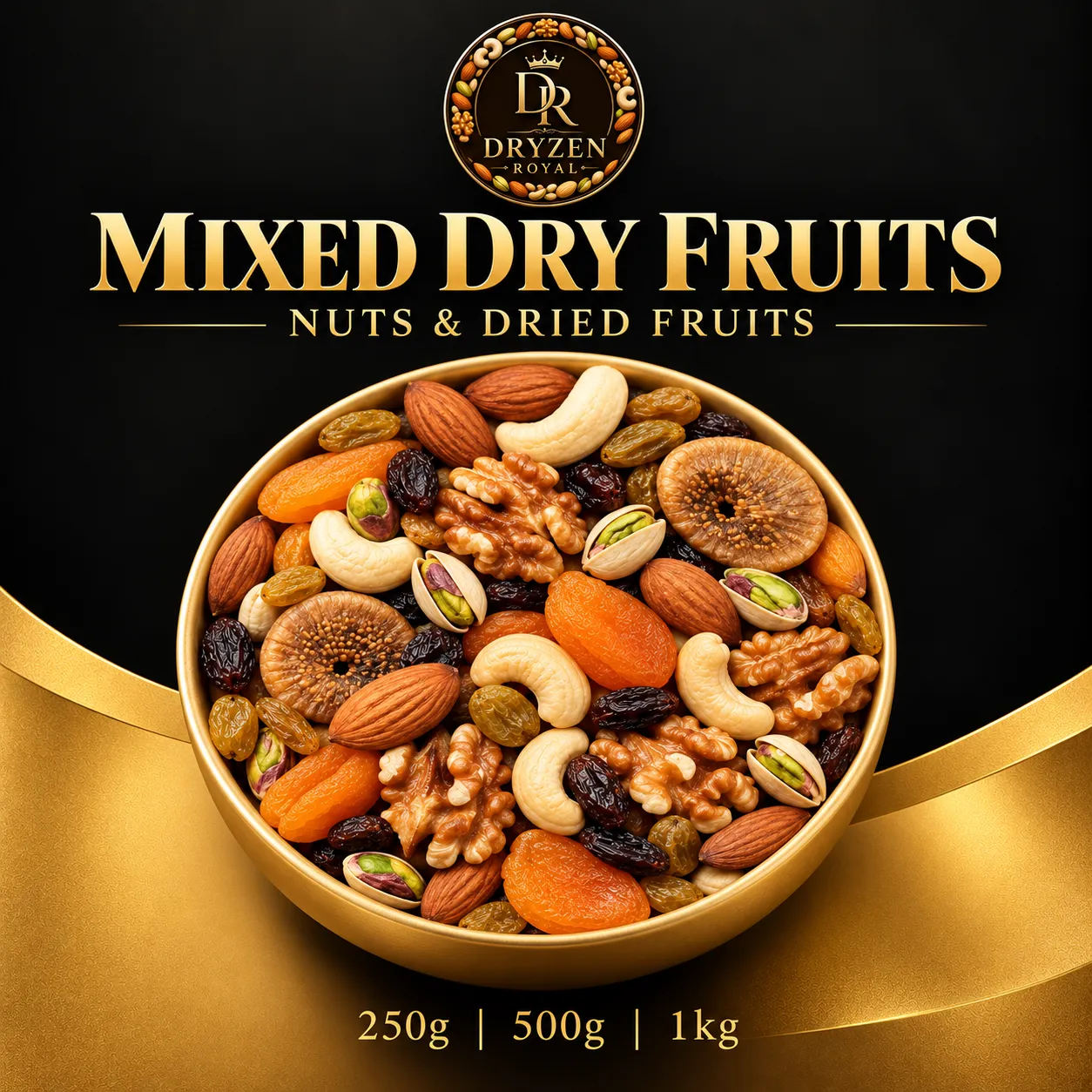
For ingredients for dry fruit recipe testing, view Mixed Dry Fruits & Nuts. Review the current product details and choose a pack that fits your cooking or gifting plans.
That makes the cause harder to identify. Begin with one deliberate change.
Compare at similar serving conditions so temperature does not confuse the result.
No. Pan depth, equipment capacity and cooling still need assessment.
No. Keep appropriate cooking and handling requirements intact.
Questions about this article?
Email us and we will get back to you.
Explore more
