- 100% Natural
- Premium Quality
- No Preservatives
- Fresh & Healthy
Dry fruits can lose their freshness quickly when exposed to heat, moisture, air, or poor storage conditions. Discover seven common storage mistakes and learn how to store almonds, cashews, raisins, dates, figs, and dried apricots properly to preserve their quality, reduce waste, and get more value from every purchase.
Dry fruits and nuts are popular pantry staples because they are convenient, versatile, and easy to enjoy throughout the day. From almonds and cashews to raisins, dates, dried figs, and apricots, these foods can add flavor and texture to breakfasts, snacks, desserts, and homemade trail mixes. But there is one frustrating problem: dry fruits do not always stay fresh as long as people expect. Almonds can develop an unpleasant taste, raisins can become unusually hard, dried apricots can lose their texture, and cashews can develop stale or rancid odors. Sometimes, a perfectly good purchase ends up wasted because it was a storage mistake.
The surprising part is that freshness does not depend only on the quality of the product you buy. Temperature, moisture, air exposure, packaging, and storage habits all play important roles. Even expensive dry fruits can deteriorate quickly when left in unsuitable conditions.
The good news is that keeping dry fruits fresh does not require complicated equipment. A few practical changes can help preserve their texture, flavor, and quality for longer.
This guide explores seven common dry fruit storage mistakes, explains how to avoid them, and offers practical advice for storing different varieties at home. Whether you buy small quantities for everyday snacking or stock up for several weeks, understanding proper storage can help you reduce waste and get more value from every purchase.
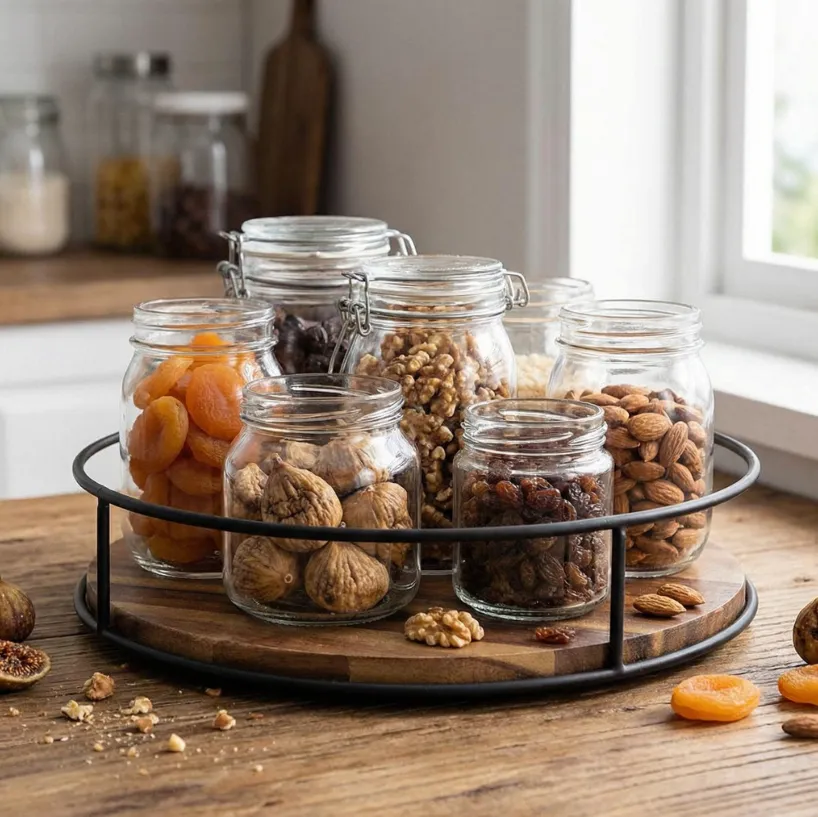
Dry fruits are often considered shelf-stable because they contain less moisture than fresh fruits. However, shelf-stable does not mean that they can withstand every storage condition indefinitely.
Different varieties deteriorate in different ways. Nuts such as almonds, walnuts, and cashews contain natural fats that can oxidize when exposed to oxygen, heat, and light. This process can gradually create stale or rancid flavors.
Dried fruits such as raisins, dates, figs, and apricots retain varying amounts of moisture. Their texture and quality can change when they are exposed to dry air, humidity, or temperature fluctuations. Moist conditions can also encourage mold growth if the product has enough available moisture.
Packaging makes a difference, too. A tightly sealed container can help protect dry fruits from humidity, odors, insects, and unnecessary exposure to air. However, sealing damp or contaminated food inside a container can create different problems.
Proper storage is therefore about maintaining the right conditions for the specific food you have. The best method for a bag of almonds may not be exactly the same as the best method for soft dried apricots.
One of the most common storage mistakes is leaving dry fruits in an open bowl, loosely folded packet, or partially opened bag.
It may seem harmless, especially if you eat the contents regularly. But repeated exposure to air can gradually reduce quality. In humid environments, uncovered dry fruits can also absorb moisture from the surrounding air.
Open storage exposes food to more than air alone. Dust, kitchen odors, insects, and accidental contact with moisture can affect the product as well.
Nuts may lose their desirable flavor as their natural fats oxidize. Dried fruits may become harder or softer than expected, depending on their moisture content and the conditions around them.
Transfer dry fruits into clean, completely dry, airtight containers after opening the original packaging, unless the original package already provides a reliable resealable barrier.
Choose containers that close securely and are suitable for food storage. Glass jars with tight-fitting lids and food-grade airtight containers are practical options.
If you buy several varieties, keep them in separate containers. This makes it easier to identify each product, monitor its condition, and avoid transferring moisture or odors between foods.
You do not need to open every container daily. Keep the main supply sealed and transfer a small quantity to a separate serving bowl when needed.
For packaged products, follow the manufacturer's storage instructions. Some packaging is specifically designed to protect the product, so transferring everything immediately is not always necessary.
The goal is simple: limit unnecessary exposure to air and moisture while keeping the food clean and accessible.
A sunny kitchen counter may look like a convenient place to keep a jar of almonds or raisins. Unfortunately, warmth and direct sunlight can shorten the period during which many dry fruits maintain their best quality.
Heat accelerates several deterioration processes, including oxidation of the natural fats found in nuts. A container placed near an oven, stove, or sunny window may experience more temperature variation than you realize.
Even if the room feels comfortable, the inside of a container exposed to sunlight can become warmer than the surrounding air.
This is particularly important if you buy nuts in bulk or plan to keep them for an extended period.
Store dry fruits in a cool, dry cupboard away from ovens, stovetops, heaters, and direct sunlight.
Avoid placing containers on top of refrigerators or near appliances that release heat. These areas may be convenient, but they are not necessarily suitable for long-term storage.
If your kitchen becomes very warm during the day, consider storing larger quantities in a cooler location or using refrigeration when appropriate.
A dark pantry or closed cabinet can offer a simple layer of protection against light. However, the cabinet should remain dry and clean, with no signs of pests or water leaks.
Remember that a cool location does not automatically guarantee freshness. Airtight packaging and protection from moisture remain important.
Moisture is one of the most important factors to consider when storing dry fruits.
Although dried fruits contain less water than fresh fruits, they are not all equally dry. Some varieties are naturally soft and moist, while others have a firmer, drier texture.
In humid conditions, dried fruits may absorb moisture from the surrounding air. If the product becomes sufficiently moist, the risk of mold and other spoilage problems can increase.
Nuts can also be affected by damp storage conditions, particularly when moisture enters a container or condensation develops.
This is why a container that is airtight but filled with damp food is not a safe solution.
Always use clean, dry hands or utensils when handling dry fruits. Avoid scooping them with a wet spoon or placing them on a damp countertop.
Before filling a storage jar, ensure that it has been thoroughly washed and completely dried. Even a small amount of trapped water can undermine the purpose of sealed storage.
Do not leave dry fruits uncovered near sinks, boiling pots, dishwashers, or other sources of steam.
If you live in a humid climate, consider buying quantities you can use within a reasonable period and storing larger supplies in suitable airtight packaging in a cool environment.
A refrigerator or freezer may help with longer-term storage, but it must be used carefully. Moisture can condense on cold food when it is exposed to warmer air. Proper packaging and handling help reduce this risk.
If you notice visible mold, unusual dampness, or other signs of spoilage, do not assume the food can be made safe simply by drying it out.
Not all dry fruits last equally long. One of the biggest mistakes is using the same storage method and expecting identical results from every variety.
Almonds, cashews, raisins, dates, dried figs, and dried apricots have different compositions, textures, and moisture levels. Their packaging and processing methods also vary.
For example, nuts contain natural oils that can become rancid over time. Dried fruits may gradually lose moisture, become harder, or develop changes in texture. Products with added ingredients or different processing methods may behave differently from plain varieties.
Even two packages of the same food may have different storage recommendations because one is roasted, salted, sweetened, or packaged differently.
Almonds: Almonds contain natural fats that can gradually oxidize. Keep them in a sealed container away from heat and light. Refrigeration can be useful for preserving larger quantities for longer periods.
Cashews: Cashews are sensitive to poor storage conditions because their fats can deteriorate over time. Keep them sealed and away from warm areas.
Raisins: Raisins are relatively moisture-rich compared with many nuts. Keep them tightly sealed to prevent excessive drying or moisture absorption.
Dates: Dates vary considerably in moisture content, from relatively dry varieties to soft, moist ones. Follow the package instructions, and refrigerate products that require it.
Dried figs: Dried figs can absorb moisture and may become vulnerable to mold under unsuitable conditions. Store them in a sealed container in a cool, dry place and follow the manufacturer's guidance.
Dried apricots: Dried apricots can gradually become firmer when exposed to air. A sealed container helps maintain their texture, while refrigeration may be useful for extended storage.
These are general guidelines rather than fixed shelf-life guarantees. Product condition, processing, packaging, temperature, and the manufacturer's instructions all affect how long a particular item remains at its best.
Buying dry fruits in bulk can be economical, particularly when prices fluctuate or a household uses them frequently. However, a large purchase can become wasteful if the product deteriorates before you finish it.
The problem is not bulk buying itself. It is buying more than you can reasonably store and consume under suitable conditions.
A large bag of almonds might be a good value if you use them regularly and have adequate storage. The same purchase may be less sensible if the bag stays open in a warm kitchen for several months.
Before buying, estimate how much of each variety you actually use in a typical week or month.
If your family regularly eats almonds and raisins, larger packages may be practical. If dried figs are an occasional treat, a smaller package could be the better choice.
Check the packaging for a best-before date or other storage guidance, but do not treat the printed date as a guarantee that the product will remain in perfect condition regardless of how it is stored.
When buying in bulk, divide the supply into manageable portions. Keep the quantity you expect to use soon in an accessible container, and store the remainder in suitable sealed packaging.
For longer-term storage, refrigeration or freezing may help preserve quality, particularly for nuts. Use packaging that protects against air and moisture, and label containers with the product name and storage date.
Do not repeatedly expose the entire supply to warm, humid air when you only need a small portion.
A little planning can help you benefit from bulk prices without sacrificing freshness.
Refrigeration can help extend the quality of many nuts and some dried fruits, especially when the home environment is warm or the food will be stored for a longer period.
However, simply placing an open bag in the refrigerator is not always the best approach.
Refrigerators contain moisture, odors, and foods with different storage requirements. An unsealed bag can allow dry fruits to absorb odors from nearby items. Condensation may also develop when cold food is repeatedly exposed to warmer air.
This does not mean refrigeration is a bad idea. It means that packaging and handling matter.
Use a clean, airtight, moisture-resistant container or suitable sealed food-storage bag.
Keep dry fruits away from foods with strong odors, and follow any refrigeration instructions on the original packaging.
Avoid repeatedly moving a large container between the refrigerator and a warm kitchen. Instead, store smaller portions for regular use and keep the remaining supply sealed.
If you freeze dry fruits for longer-term storage, package them carefully to reduce exposure to air and moisture. Label each package with the variety and date so you can track how long it has been stored.
When removing frozen or refrigerated products, consider allowing the sealed package to approach room temperature before opening it. This helps reduce condensation forming directly on the cold food.
The best approach depends on the specific product. Some commercially packaged dried fruits are intended for pantry storage until opened, while others may require refrigeration after opening.
Always follow the product label when it provides more specific instructions than general storage advice.
Dry fruits may look normal even when their quality has started to decline. This is why checking their condition matters, particularly if you store large quantities.
Changes in smell, texture, appearance, or packaging can provide useful warning signs.
Nuts that have become rancid may develop a paint-like, bitter, stale, or otherwise unpleasant odor or taste. Dried fruits may develop visible mold, unusual dampness, or changes that are inconsistent with the product's normal condition.
Insects, damaged packaging, and unexplained moisture are also reasons to inspect the product carefully.
Look for the following warning signs:
Some dried fruits are naturally sticky or soft, and certain products may have a normal coating or appearance. Do not mistake an ordinary product characteristic for spoilage without considering what is normal for that variety.
At the same time, do not taste questionable food to determine whether it is safe. If there is visible mold, a suspicious odor, or another clear sign of spoilage, discard it. Do not rely on washing, roasting, or removing only the visibly affected portion to make spoiled food safe.
If you find insects or contamination in a container, inspect nearby stored foods and clean the storage area before restocking it.
Regular checks are particularly useful when dry fruits are purchased in bulk or stored for extended periods.
The following table provides a general starting point for storing common dry fruits at home. Actual recommendations can vary by product and packaging.
Dry fruit | Everyday storage | When storing longer |
|---|---|---|
Almonds | Airtight container in a cool, dark place | Refrigerate or freeze in suitable sealed packaging |
Cashews | Sealed container away from heat and light | Refrigeration or freezing can help preserve quality |
Raisins | Airtight container in a cool, dry cupboard | Refrigerate if recommended or if conditions make it necessary |
Dates | Follow package instructions; keep sealed | Refrigerate soft or moist varieties when directed |
Dried figs | Cool, dry storage in a sealed container | Refrigerate when appropriate for the product and environment |
Dried apricots | Airtight container away from heat and moisture | Refrigerate if needed for extended storage or according to the label |
The table should not replace product-specific instructions. Commercial processing, moisture content, preservatives, packaging, and whether a product has been opened can all affect the appropriate storage method.
You do not need expensive equipment to store dry fruits properly. The most important features are cleanliness, a secure seal, and protection from moisture.
Glass jars with tight-fitting lids are useful for everyday pantry storage. They are easy to clean and do not readily absorb odors from food.
However, clear glass does not protect against light on its own. Keep glass jars inside a dark cupboard rather than on a sunny countertop.
Suitable food-grade plastic containers are lightweight, convenient, and easy to stack. Choose containers with lids that close securely and inspect them regularly for cracks, worn seals, or damage.
Use only containers intended for food storage, particularly if you plan to refrigerate or freeze the contents.
Resealable bags can be convenient for portioning nuts and dried fruits. Remove excess air where practical, seal them carefully, and avoid using damaged bags for long-term storage.
For freezer storage, choose bags or packaging specifically designed for freezing.
Different dry fruits have different aromas and textures. Keeping them separate can help preserve their individual qualities and makes it easier to check each variety for freshness.
Label containers with the name of the product and the date you opened or repackaged it. This simple habit can help you use older supplies first and avoid forgetting how long a product has been stored.
There is no single shelf-life figure that applies to every type of dry fruit.
Shelf life depends on the variety, moisture content, processing method, packaging, temperature, and whether the package has been opened. Manufacturer guidance is generally the best starting point for a specific product.
Nuts may maintain their quality for different periods depending on whether they are raw, roasted, or otherwise processed. Dried fruits may have different storage needs depending on whether they are relatively dry or soft and moist.
Temperature also matters. A product stored in a cool environment may retain quality longer than the same product stored in a hot kitchen.
Use the following habits to manage freshness more effectively:
A best-before date generally relates to expected quality under recommended storage conditions. It does not mean that a product is automatically safe until that date or immediately unsafe afterward. Use the date alongside storage history and signs of spoilage.
Dry fruits can remain enjoyable and useful pantry staples when they are stored correctly, but poor storage can shorten their useful life and waste money.
The most common mistakes include leaving containers open, exposing products to heat and sunlight, ignoring humidity, assuming every variety has the same shelf life, buying more than you can store properly, refrigerating food without adequate packaging, and overlooking signs of spoilage.
Fortunately, the solutions are straightforward. Keep dry fruits in clean, airtight containers, choose a cool and dry storage location, protect them from direct sunlight, and follow product-specific refrigeration instructions. When purchasing in bulk, divide the supply into manageable portions and label containers so you can track freshness.
Remember that almonds, cashews, raisins, dates, figs, and apricots do not all have identical storage needs. The right method depends on their composition, processing, packaging, and the conditions in your home.
For more practical information about dry fruits, food choices, and everyday nutrition, explore Dryzen Royal. You can also visit Finiuo for personal finance resources and Jurnza for legal information and consumer guides.
With a little attention to packaging, temperature, and moisture, you can help your dry fruits retain their quality for longer, reduce avoidable waste, and make every purchase go further.
Store dry fruits in clean, airtight containers in a cool, dry place away from direct sunlight and heat. Refrigerate or freeze suitable varieties when needed, following the product's storage instructions.
Refrigeration can help preserve the quality of nuts and some dried fruits, especially in warm environments or during longer storage. Use airtight packaging to protect them from moisture, condensation, and odors.
Look for visible mold, unusual dampness, unpleasant or rancid odors, insects, and unexpected changes in appearance or texture. Discard products showing clear signs of spoilage rather than trying to make them safe by washing or roasting them.
Questions about this article?
Email us and we will get back to you.
Explore more
