- 100% Natural
- Premium Quality
- No Preservatives
- Fresh & Healthy
Soft onions with chopped dried figs and balsamic vinegar, served as a small savoury topping.
Fig balsamic onions combine slowly softened onions with chopped dried anjeer and a little balsamic vinegar. They make a concentrated topping for toast, a cheese sandwich or roasted vegetables. The aim is not a jar of dessert jam but a spoonful of savoury-sweet flavour that supports the rest of the plate.
Patience at the onion stage matters more than adding sugar. Gentle cooking develops the flavour while water evaporates. The figs join later so they soften without spending the whole cooking time against the pan. Fig balsamic onions are best made in a small batch with a clear refrigerated use plan.
The recipe makes roughly 300 g, depending on reduction. Allow 15 minutes for preparation and 35–50 minutes for cooking. Use a wide heavy frying pan, spatula and a clean covered container. A narrow deep saucepan keeps more moisture trapped and can extend the cooking time considerably.
Choose a food-grade balsamic vinegar whose flavour you enjoy. Products sold as a sweet glaze are already reduced and may contain added ingredients, so they are not an identical replacement. Check the label and begin with a smaller amount if using a particularly strong or sweet product.
Cut onions from root to tip into thin slices around 3 mm wide. Similar thickness helps them soften at the same pace. Very fine pieces can disappear while thick wedges remain firm. Use a sharp knife and a stable board rather than rushing through a large slippery pile.
Open and inspect the figs, remove stalks and chop into 5 mm pieces. If very firm, soak briefly in some of the measured water and keep that liquid for the pan. Soft figs can be chopped directly. Do not add fruit with visible spoilage, even though the mixture will cook for a while.
Heat the oil over medium-low heat and add onions with a small pinch of salt. Stir to coat, then cook for about 20–30 minutes, stirring every few minutes. They should soften and gradually become golden. If the base dries before the onions soften, add a tablespoon of water and scrape up the light browned bits.
Keep the heat low enough that edges do not turn black. Burnt patches are not the same as useful browning. A wide pan encourages evaporation, but it also needs attention. Do not leave it unattended while starting another long kitchen task.
When the onions are soft and lightly golden, add chopped figs, optional thyme and the remaining measured water. Stir and cook gently for 10–15 minutes. The figs should soften and begin merging with the onions while still leaving some visible pieces.
Add one tablespoon balsamic vinegar and stir. Cook for a few minutes, then taste a cooled spoonful. Add the second tablespoon gradually if needed. The topping should have a clear tang without tasting like vinegar poured over raw onion.
The onions and figs already contribute sweetness. Do not add the optional brown sugar automatically at the start. If the final mixture is very sharp after the vinegar has cooked briefly, a small amount may help, but more cooking or a splash of water can be more appropriate depending on the problem.
Season with black pepper. Salt should support the flavour rather than compensate for excessive acidity. If the mixture tastes flat, try a few drops of vinegar before adding a large pinch of salt. Keep adjustments measured so the next batch can be reproduced.
The finished mixture should mound on a spoon without releasing free liquid. It will thicken further when cold, so avoid reducing until dry and sticky against the pan. If a spatula leaves a clear path for a moment and the onions settle slowly back, you are close.
Remove from the heat and spread in a shallow container for prompt cooling and refrigeration. Do not fill a large decorative jar and leave it on the counter because it resembles a preserve. Fig balsamic onions are an untested homemade cooked topping, not a shelf-stable canned product.
Spread a spoonful on toasted bread with cheese, or add beside roasted aubergine. It can also sit inside a warm sandwich. The flavour is concentrated, so begin with a small amount and let diners add more. A thick layer can make a sandwich both very sweet and very wet.
For a cheese board, put the topping in a separate small dish with a clean spoon. Keep it away from crackers until eating so they remain crisp. If the board will be out for a long period, replenish small amounts from the refrigerator rather than setting out the full batch.
Fig balsamic onions suit plain cooked foods that benefit from a little sharpness and sweetness. They can finish a vegetable tart or a flatbread in small spoonfuls. Add after the base is mostly cooked so the fruit does not burn during a long bake.
Avoid combining them with several other sweet sauces on the same plate. A fresh salad or a plain yogurt side can provide contrast. This is a flavour choice rather than a nutritional rule; the practical goal is making each ingredient noticeable.
You can slice onions and chop figs ahead, keeping them separately covered in the refrigerator. Cook when you have time to watch the pan. Doubling the ingredients in the same pan does not simply double the yield at the same time; a deeper onion layer releases more water and slows browning.
Use two pans for a larger batch if you want similar cooking behaviour. This onion topping becomes more predictable when pan width, onion thickness and heat remain consistent. Record the final vinegar amount if your product is particularly sharp.
Bitterness usually points to burnt onion edges, scorched figs or a vinegar flavour you do not enjoy. More sugar can hide some sharpness but does not remove burnt flavour. If the mixture is patchy, the onions may have been sliced unevenly or cooked at too high a heat.
If too thick after chilling, warm a portion gently with a teaspoon of water. If too loose, reduce a clean portion in a wide pan. Do not repeatedly warm and return the whole storage container while correcting one serving.
Keep fig balsamic onions refrigerated and use within three days for a conservative household plan. This is not a validated commercial shelf life. Freeze small labelled portions if you cannot use the batch promptly. Thaw in the refrigerator and stir before serving.
Use a clean spoon each time and keep crumbs or sandwich fillings out of the container. Fig balsamic onions are most useful when the batch stays small, the cooking remains gentle and the vinegar is added in stages. Those habits produce a versatile topping without relying on a large amount of sugar or an unsupported preservation claim.
For a more olive-forward spread, try fig olive tapenade. Use a small portion of these onions as an optional topping idea alongside fig flatbread pizza.
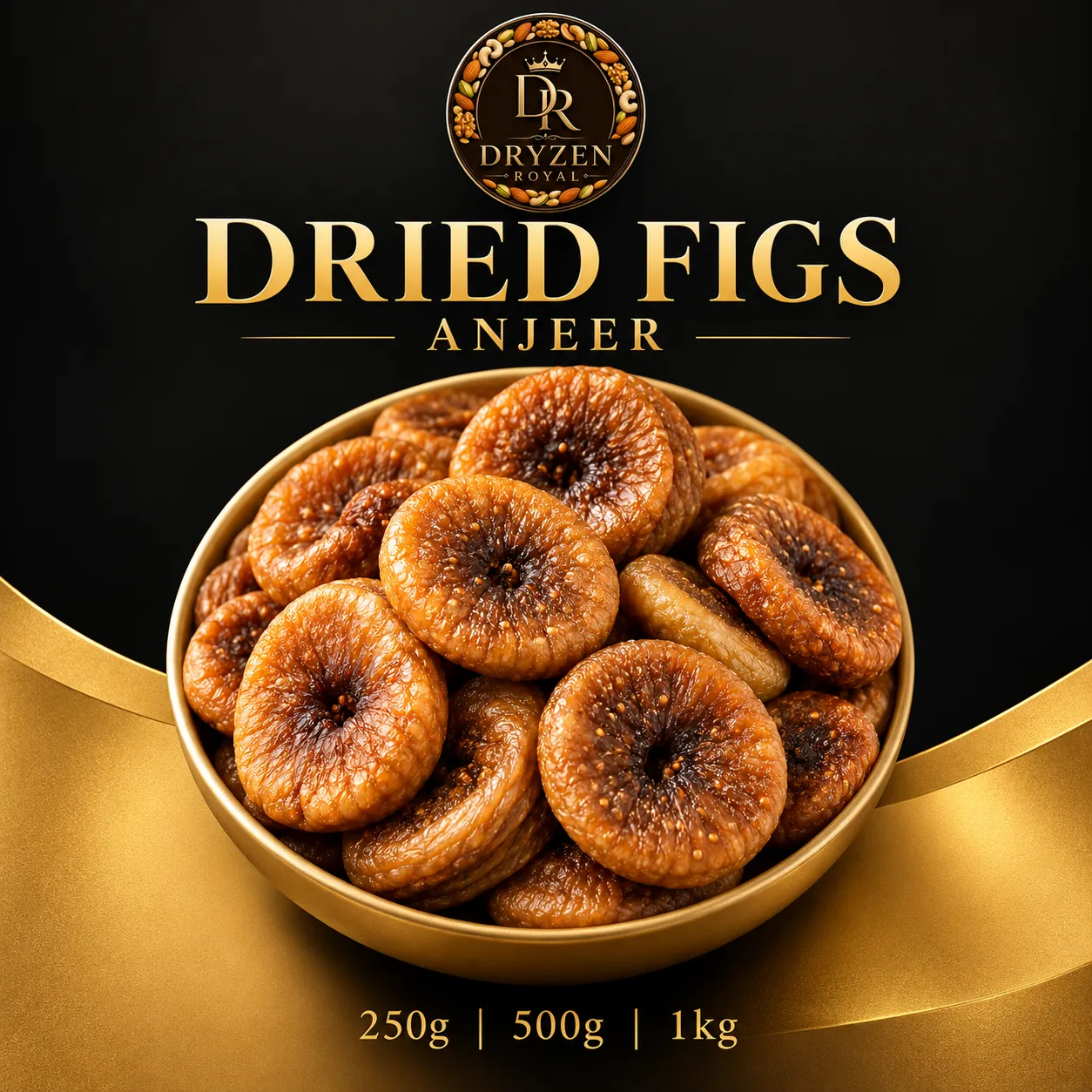
Explore Dried figs at Dryzen Royal and choose fruit for small savoury preparations as well as desserts.
Not automatically. Glazes are already concentrated and may be sweeter; check ingredients and adjust cautiously.
They need less pan time and can scorch if cooked from the beginning with a dry onion layer.
No. Taste at the end; onions and figs already provide sweetness.
No. This is not a tested preserve. Refrigerate or freeze portions using clean containers.
Questions about this article?
Email us and we will get back to you.
Explore more
