- 100% Natural
- Premium Quality
- No Preservatives
- Fresh & Healthy
An olive-oil sharing bread with softened anjeer, walnut pieces and a practical fold-and-rest dough method.
Fig focaccia brings pieces of dried anjeer and walnuts to an olive-oil bread designed for sharing. The combination can be served beside a simple salad, soup or a small cheese plate. It is gently savoury with pockets of fruit, rather than a sugar-glazed cake.
The dough is wetter than a typical roti dough and should not be forced into a stiff ball with extra flour. A few folds and resting periods help build structure while keeping handling manageable. The fruit is prepared separately so it does not carry an uncontrolled amount of soaking water into the dough.
Use a metal baking tin approximately 23cm by 30cm. The recipe gives one modest sharing bread, cut into eight to ten pieces. Allow around 30 minutes of active work, several resting periods and approximately 25 to 30 minutes of baking.
Check your yeast instructions before mixing. Flour strengths vary, so begin with the stated water quantity and use the folding method before deciding the dough is too wet. A large bowl and flexible scraper are especially useful.
Cut the figs open, inspect their interiors and remove the firm stems. If they are already pliable, chop directly. If very firm, cover with warm water briefly, then drain well and pat the surfaces dry before cutting into small pieces.
Our dried fig guide covers the ingredient more broadly. This recipe uses 100g of prepared fruit, with soaking liquid excluded from the dough measurement.
Stir the water, yeast and sugar together according to the yeast label. Add flour, salt and the two tablespoons of dough oil. Mix with a sturdy spoon until no dry flour remains, scraping the bottom of the bowl.
The mixture will look rough and feel sticky. Cover and leave for about 20 minutes. This rest lets the flour hydrate and makes the next handling stage easier than immediately kneading a wet mixture on a heavily floured board.
Keep the bowl in a sheltered place away from direct heat. Warm rooms speed fermentation, but a bowl beside a hot hob can warm unevenly and make the process harder to judge.
With lightly oiled hands, lift one edge of the dough and fold it toward the centre. Rotate the bowl and repeat from three more sides. Cover and rest for another 20 minutes, then repeat the folding round.
Use a gentle stretch rather than pulling until the dough tears. It should gradually feel more cohesive, although it will remain soft. Do not expect it to become a dry, polished ball.
After the second round, cover and let it rise until visibly expanded and aerated. This may take 45 to 90 minutes depending on temperature and yeast activity. Look for bubbles and a lighter feel rather than relying only on the clock.
Oil the tin well, including the corners. Tip the dough into it and use oiled fingertips to encourage it outward. If it springs back strongly, leave it for ten minutes and try again instead of forcing it across the pan.
Spread the prepared fig pieces and walnuts over the surface. Press some fruit gently into the dough, keeping a few pieces visible. Avoid leaving tiny dry fragments exposed, where they can scorch.
For walnut preparation choices, see our walnut halves versus pieces guide. Broken kernels are useful in this bread, but check them carefully for shell material before adding them.
Cover loosely and allow the dough to become puffy in the pan. It should relax toward the corners and show some bubbles beneath the surface. Depending on the room, this can take roughly 30 to 60 minutes.
Heat the oven to 220°C conventional or about 200°C fan before the second rise finishes. The hot oven helps establish the bread’s structure, while waiting for an oven after the dough is ready can lead to over-proving.
Drizzle the remaining surface oil over the dough. With oiled fingertips, press deep dimples across it without repeatedly squeezing all the gas out. The oil should spread into the indentations rather than sit in one pool.
Scatter the optional rosemary very lightly. Strong herbs can overwhelm the fruit and walnuts, so begin with a small pinch. The salt is already measured in the dough; an additional heavy salty topping is unnecessary.
If a fig piece is sitting high and looks dry, tuck it slightly into a dimple. This protects it from direct heat while keeping fruit visible. Do not cover the entire surface with a dense mat of nuts and fruit.
Bake on a middle shelf for approximately 25 to 30 minutes. The surface should be golden and the bread should feel set, with a cooked base. Check earlier if your oven has strong top heat or the tin is very dark.
If the fruit darkens too quickly, cover loosely with foil for the final stage. Do not judge the whole loaf solely by the colour of one walnut. A hot exposed nut can brown before the centre of the bread is ready.
Rest in the tin for five to ten minutes, then transfer to a rack. Let steam escape from underneath instead of trapping the warm loaf on a solid board for a long time. Wait at least 20 minutes before slicing.
If the bread is dense, review the fermentation cues and whether excessive flour was added during handling. Wet dough needs time and folds; making it dry for convenience can change the crumb substantially.
If it sticks to the tin, check the oil coverage and use an appropriate lining for your pan next time. For very old or damaged tins, baking paper may help, but follow the paper’s temperature guidance.
If the topping feels tough, the figs may have needed softening or the pieces may have been too exposed. On a later batch, cut smaller pieces and press them more securely into the surface.
Cut into squares or narrow strips and serve with soup, salad or a small bowl of olive oil. A fruit-and-cheese plate is another option, but keep perishable accompaniments refrigerated until needed.
Cool reserve bread fully before wrapping. Freeze individual pieces for a longer reserve and rewarm gently after thawing. Warm bread sealed in a tight container can become damp, while uncovered slices dry quickly.
The recipe contains wheat and walnuts. Check the needs of guests and keep an ingredient note with a shared loaf. Do not assume fruit bread is suitable for every diet or allergy.
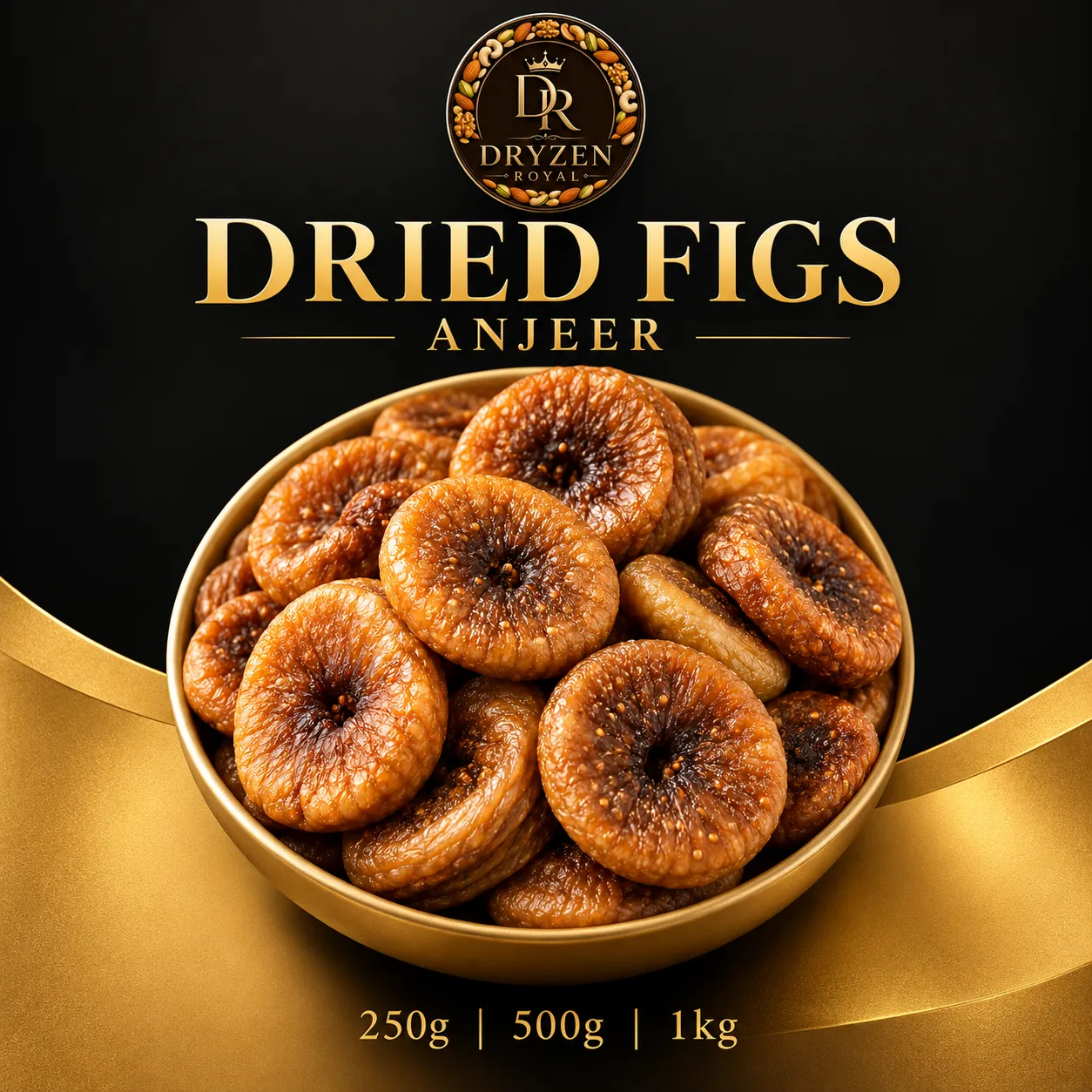
Explore Dryzen Royal Dried Figs for your next fig focaccia. Plan the fruit quantity, check its softness and keep the unused dry anjeer separate from the wet dough preparation.
Soften very firm fruit first, then drain and surface-dry it. Hard exposed pieces may remain chewy or scorch before the bread finishes.
This style uses a relatively moist dough. Gentle folds, oil and resting make it easier to handle without adding excessive flour.
Press pieces lightly into the dough so they are secure. Very exposed fine fragments can darken quickly.
Give it a cooling rest first. Very hot bread can feel gummy when cut before its crumb has settled.
Questions about this article?
Email us and we will get back to you.
Explore more
