- 100% Natural
- Premium Quality
- No Preservatives
- Fresh & Healthy
Small semolina-and-flour cookies enclosing a thick dried-fig centre, shaped by hand or with a suitable mould.
Fig maamoul encloses a thick anjeer centre in a tender semolina-and-flour shell. This home variation uses dried figs rather than assuming every traditional maamoul filling is the same. The cookies can be shaped by hand, so a decorative mould is useful but not essential.
The filling needs to be cool and firm enough to roll into small portions. The shell should feel soft and workable without becoming a wet bread dough. Fig maamoul is easiest to manage when those components are prepared separately and divided before shaping begins.
Allow thirty minutes for active preparation, a short dough rest and twenty to twenty-five minutes for baking. You need a saucepan, mixing bowl, scales, tray and baking paper. A clean maamoul mould can be used according to its design, or you can make simple rounded cookies with a fork-marked top.
Use fine semolina for this short-rest method. Coarse grains give a different texture and may need another preparation plan. The shell contains wheat and dairy. The filling has fig seeds naturally, which are different from hard stalk or stone-like fragments that should be removed.
Open each fig and inspect the inside, removing hard stalks. Chop into small pieces and simmer with 80 ml water for ten to fifteen minutes until soft. Mash or blend carefully according to the appliance's hot-food guidance.
Return to low heat and stir until the mixture forms a thick paste with no free liquid. Add optional butter and cardamom. Spread on a plate to cool. A jam-like loose spread can leak or soften the shell, so reduce deliberately rather than relying on the oven to dry it later.
Once cool enough to handle cleanly, divide into sixteen small portions. They should hold a rough ball without running. If still very sticky and loose, chill briefly and assess, or cook a little more if the problem is excess water.
Do not add unmeasured flour to the filling as a quick thickener. Raw flour is not part of this fruit centre and changes both flavour and texture. Fig maamoul benefits from a properly reduced fruit paste rather than a hidden absorbent.
Combine semolina, plain flour, icing sugar, baking powder and salt. Rub in softened butter until evenly distributed and the mixture resembles rich damp crumbs. Cover and leave for about thirty minutes so the semolina begins taking up the fat.
Do not knead at this stage as if making bread. The goal is a tender shell. Strong repeated handling can make the dough harder to work and change the baked texture. Keep the bowl in a suitable cool place, refrigerating if the room is very warm.
Add most of the milk and gather gently. Use the remaining amount a tablespoon at a time only if needed. The dough should hold together and flatten without crumbling badly, while remaining soft rather than sticky.
Let it stand for five minutes before making a major correction because semolina continues absorbing. If very wet, do not keep adding flour and milk in alternating unmeasured amounts. Record the liquid that worked with your semolina for the next batch.
Heat the oven to 180°C conventional or about 160°C fan. Divide dough into sixteen equal portions. Keep covered while working so the surface does not dry. Flatten one portion in your palm into a small cup with an even wall.
Put a filling ball in the centre, bring edges around it and pinch closed. Roll gently only enough to smooth. The fruit should remain enclosed, with no thin exposed patch. Fig maamoul needs a reasonably even shell so one side does not split while the other stays thick.
If using a mould, dust lightly as appropriate for the material and press according to its instructions, then release onto the tray. Avoid packing so hard that the shell becomes dense or the cookie sticks. A hand-shaped round with a light fork pattern is a practical alternative.
Place seam-side down with a little space between pieces. Do not make deep fork cuts that expose filling. A few surface lines are decorative; the sealed shell does the structural work.
Bake for twenty to twenty-five minutes, checking from around twenty. The bases should be lightly golden and the shells set. The tops may remain pale. Do not keep baking until every cookie becomes dark like a crisp biscuit.
If a cookie cracks slightly, check whether the filling was too wet or the shell too thin. A small crack does not automatically spoil a properly baked piece, but it is useful information for the next batch.
Leave on the tray for five to ten minutes, then move carefully to a rack. Warm filled cookies are fragile, and hot fruit can burn. Use a spatula rather than grabbing a cracked edge.
Fig maamoul becomes easier to handle as the shell cools. Dust with a little icing sugar only after cooling if wanted. A thick coating is unnecessary and can hide the surface pattern without improving the texture.
Offer fig maamoul with plain tea or coffee. The fruit centre is sweet enough that another syrup is not needed. If the cookies are large, cut one to show the filling, using a sharp knife and support underneath.
For gifting, state the ingredients and storage plan. A decorative mould does not tell the recipient that semolina, flour, milk and butter are in the shell. Keep any additional nuts clearly identified if you develop a variation later.
Prepare the fig paste ahead and refrigerate promptly in a covered container. Bring only the portion needed to a workable temperature before shaping. Keep the dough covered and cool, and avoid leaving dairy-containing components on a hot counter for long periods.
If freezing shaped unbaked cookies, test a small batch first because filling moisture and shell texture can change. Bake with appropriate checks rather than assuming the exact original time. A small trial is more useful than freezing a whole event batch untested.
Cool completely, then keep in a suitable covered container. In a warm kitchen, refrigeration is a practical conservative choice; use within three days and allow a serving to lose its chill briefly if preferred. This is not a validated commercial shelf life.
This filled cookie becomes dependable when the fruit is thick, the semolina shell is gently mixed and portions are even. The small semolina cookie rewards those preparation stages more than a detailed mould pattern or extra filling squeezed into every cookie.
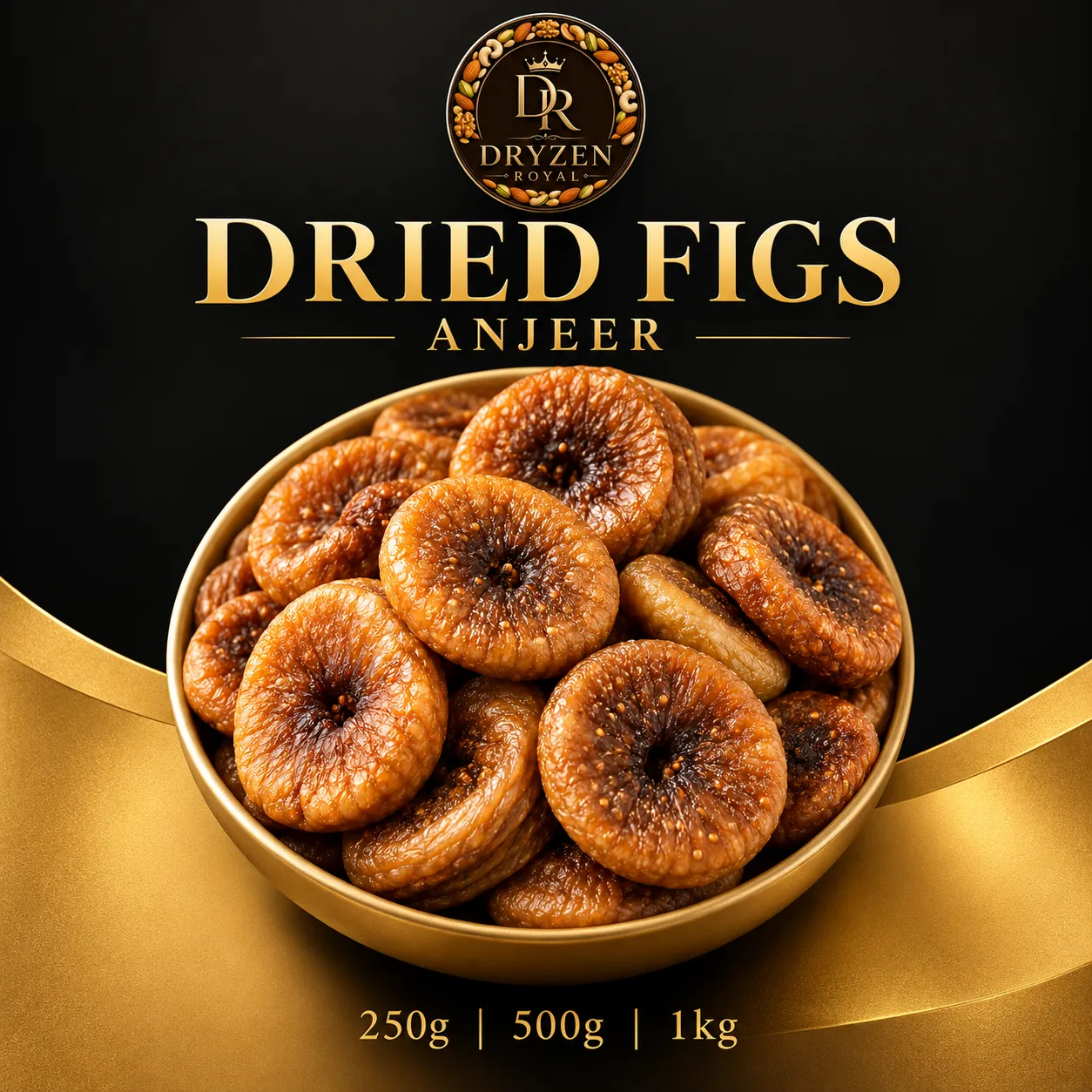
The fruit preparation in softening figs for a fridge spread offers context, although this filling is reduced more firmly. Use the weighing principles in keeping fine dry ingredients consistent when preparing fine dry mixtures.
Explore Dried figs at Dryzen Royal and choose anjeer for a small filled-cookie project.
No. Simple hand-shaped cookies with light fork markings can work if the filling is fully enclosed.
Reduce it to a thick cool paste first; excess liquid can soften or split the shell.
No. Gather and handle gently to preserve a tender cookie shell.
No. This style can remain pale, with set shells and lightly golden bases.
Questions about this article?
Email us and we will get back to you.
Explore more
