- 100% Natural
- Premium Quality
- No Preservatives
- Fresh & Healthy
Small cheese-and-fig dumplings gently poached and served with a little butter and cinnamon sugar.
Fig ricotta dumplings are soft spoon-shaped cheese dumplings with small pieces of dried anjeer folded through them. They are gently poached, then served with a little melted butter and cinnamon sugar. The texture is tender and slightly irregular rather than smooth and elastic like a firm pasta dough.
The cheese's moisture is the main variable. A wet ricotta needs draining before measurement, while a dry grainy substitute will behave differently. This recipe includes a test dumpling so you can adjust the mixture before cooking the whole batch. Fig ricotta dumplings are a small kitchen project best made when you can give the pan your attention.
The quantities make about sixteen small dumplings, serving four as a modest dessert. Allow 20 minutes for preparation, 30 minutes for chilling and 15 minutes for poaching in batches. Draining cheese may take longer. You need a sieve, bowl, saucepan, two teaspoons or dessert spoons and a slotted spoon.
Use ricotta rather than assuming any fresh cheese will work in the same amount. Paneer is usually firmer and grainier, while cream cheese has a different fat and moisture balance. This is not a tested formula for those substitutions. The recipe includes dairy, egg and wheat as well as figs.
Put ricotta in a fine sieve over a bowl and refrigerate while excess liquid drains. The time depends on the product; very wet cheese may need an hour or more. Weigh 250 g after draining. Press lightly with a spoon rather than squeezing it into a hard block.
Open each fig and inspect the inside. Remove firm stalks and chop into pieces around 3 mm. If the fruit is very firm, soften briefly in warm water, then drain and pat dry thoroughly before weighing. Large wet pieces can tear a dumpling and make the surrounding mixture loose.
Combine drained ricotta, egg, sugar, zest and salt. Fold in flour and semolina, then the chopped figs. Stop when evenly mixed. The result should be a soft paste that holds a rough spoonful, not a dough to knead or roll vigorously.
Cover and refrigerate for 30 minutes. The semolina absorbs moisture during the rest, so do not immediately add extra flour because the mixture seems soft. Excess flour produces heavy dumplings and hides the delicate cheese flavour. Fig ricotta dumplings need enough binding to hold together, not enough to become a stiff ball.
Bring a wide saucepan of water to a gentle simmer. Lightly salt if desired. Use two wet spoons to shape a small oval from about a tablespoon of mixture. Lower it into the water and keep the heat gentle. A rolling boil can break the surface before the centre sets.
Cook until it rises, then continue for about 2–3 minutes, adjusting for size. Lift with a slotted spoon and cut it open. The centre should be cooked, not a raw floury paste. An egg-containing mixture should reach 71°C when checked with a suitable thermometer.
If the test falls apart, first confirm the water was not boiling hard and the mixture had its full rest. If it is genuinely too loose, fold in one teaspoon of flour, chill briefly and test again. Do not add several tablespoons at once.
If the dumpling is heavy and rubbery, extra flour is not the answer. The cheese may have been too dry or the mixture overworked. For the current batch, keep the pieces small and serve with a little more sauce; for the next batch, return to the measured drained-cheese weight.
Shape the remaining mixture with the wet spoons, keeping portions similar in size. Cook five or six at a time, leaving room for them to move. Return the water to a gentle simmer between batches. Lift finished dumplings onto a warm plate, allowing water to drain through the spoon first.
Avoid stacking wet dumplings tightly. Their soft surfaces can stick and tear. If holding briefly, brush the plate with a little of the serving butter and keep the dumplings in one layer. Fig ricotta dumplings are most pleasant soon after poaching, before they cool and firm.
Melt the 20 g butter gently in a small pan. Spoon a little over the cooked dumplings, then add a light dusting of the optional cinnamon sugar. The figs already provide sweetness, so taste one before using all the sugar. A little lemon zest can brighten the finish.
Do not fry the soft dumplings aggressively in the butter on the first attempt. They may break unless their moisture and structure are well controlled. This version uses melted butter as a serving finish rather than a second full cooking stage.
Serve four small dumplings per person in warm shallow bowls. A spoon is easier than a fork for their tender shape. If adding yogurt or cream, use a small amount beside the dumplings rather than covering them completely. The fruit pieces and cheese texture should remain noticeable.
Fig ricotta dumplings are a different dessert from a chilled parfait or a baked pudding. They suit a meal where the final course can be cooked shortly before serving. For a large gathering, choose a dessert that can wait more comfortably rather than multiplying this soft mixture far beyond your pan capacity.
Drain the ricotta and chop the figs ahead, keeping both covered in the refrigerator. The mixed batter can wait chilled for a short same-day period, but it may thicken as the semolina continues absorbing moisture. Test again before cooking if it has rested much longer than 30 minutes.
Do not leave raw-egg mixture on the counter while waiting for the main meal to finish. Portion what you can cook promptly and return the bowl to the refrigerator between batches if the room is warm. Keep clean tasting spoons separate from shaping tools.
For the best texture, prepare only the amount needed. Refrigerate any cooked leftovers promptly and use within two days as a conservative household plan. Reheat gently with a little moisture until hot throughout; 74°C is a useful reheating target. The texture may become firmer than when first poached.
Freezing this particular soft mixture is not tested here, so do not rely on it for a large event without a small trial. Different ricotta products release different amounts of water after thawing. Make the measured batch first and record the cheese brand and draining time.
Fig ricotta dumplings reward careful testing more than speed. Drain the cheese, cut the fruit small, let the semolina rest and cook one dumpling before shaping the rest. That sequence gives you a practical way to respond to real ingredients rather than correcting an entire pan after it has already broken apart.
For a chilled layered dessert instead, explore fig mascarpone parfait. The dried fig selection guide helps with choosing and inspecting the fruit.
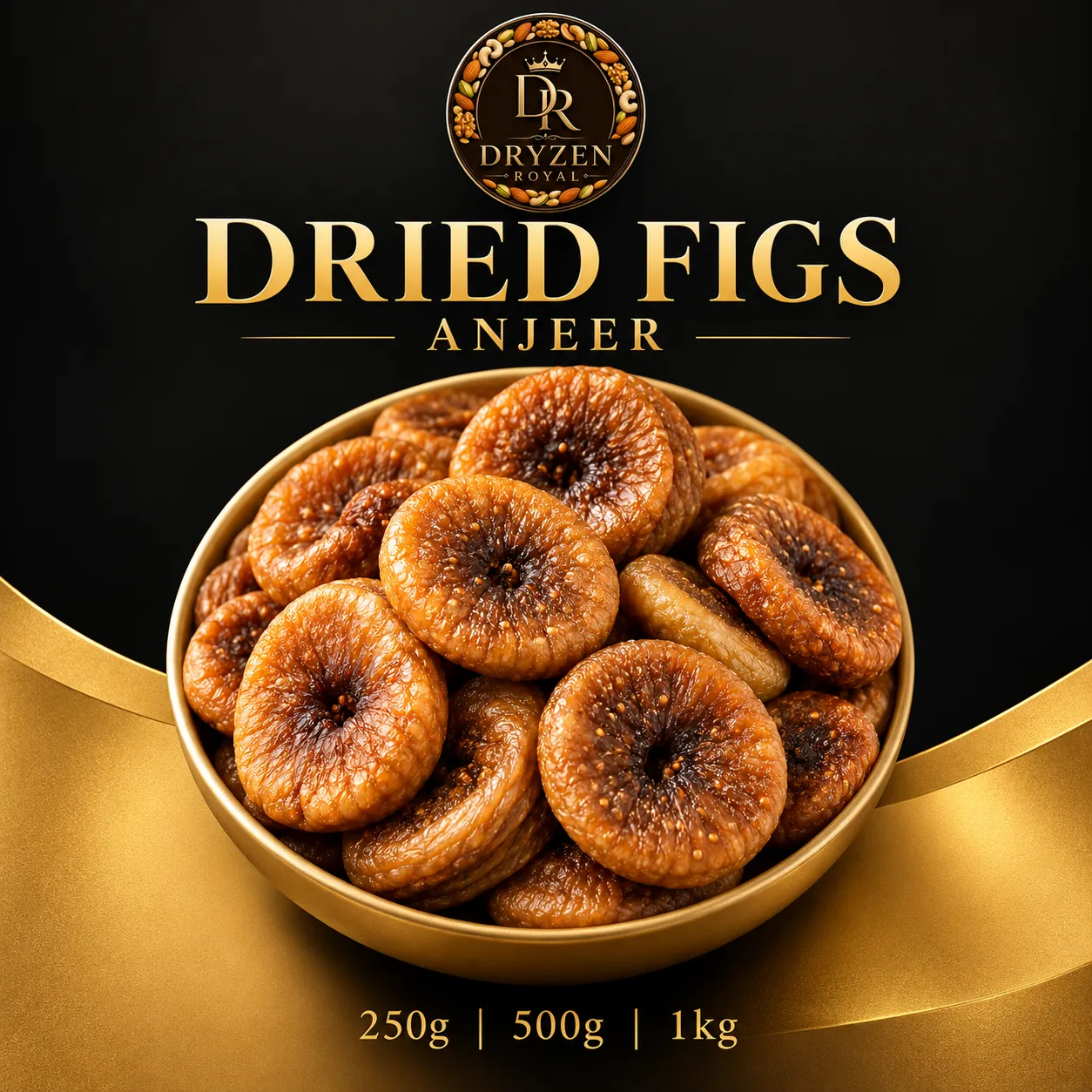
Explore Dried figs at Dryzen Royal and choose anjeer for your next small homemade dessert.
Not reliably in this formula. Its texture and moisture differ, so use ricotta or a recipe developed for paneer.
Semolina absorbs moisture during the rest. Early extra flour can make the cooked dumplings unnecessarily heavy.
Check gentle water movement, sufficient resting and drained cheese before adding flour in small increments.
No. A gentle simmer protects their soft structure while the centre cooks.
Questions about this article?
Email us and we will get back to you.
Explore more
