- 100% Natural
- Premium Quality
- No Preservatives
- Fresh & Healthy
Peanuts, commonly known as moongphali in Pakistan, provide plant-based protein, unsaturated fats, fiber, and essential nutrients. Explore their potential health benefits, compare raw and roasted varieties, learn about portion sizes and peanut allergies, and discover practical tips for choosing, storing, and enjoying fresh peanuts.
Peanuts, commonly known as moongphali in Pakistan, are among the most popular and affordable snacks enjoyed across South Asia. From roadside vendors selling freshly roasted peanuts during winter evenings to bowls of salted peanuts served with tea, this familiar food has a place in everyday eating habits. Although peanuts are often grouped with dry fruits, they are technically legumes because they grow underground and belong to the same botanical family as beans and lentils.
Despite their small size, peanuts provide a concentrated combination of protein, unsaturated fats, dietary fiber, vitamins, and minerals. These nutrients can support a balanced diet, help maintain normal body functions, and make peanuts a satisfying snack when eaten in appropriate portions.
However, not every peanut product offers the same nutritional benefits. Raw, dry-roasted, oil-roasted, salted, and flavored peanuts can differ in their ingredients, sodium content, and overall calorie intake. Storage conditions also matter because peanuts can become rancid or develop dangerous mold contamination if handled improperly.
Understanding these differences can help you make smarter choices when buying and eating moongphali. This guide explores peanut nutrition, potential health benefits, raw versus roasted varieties, recommended portions, safe storage, and practical tips for choosing fresh, good-quality peanuts.
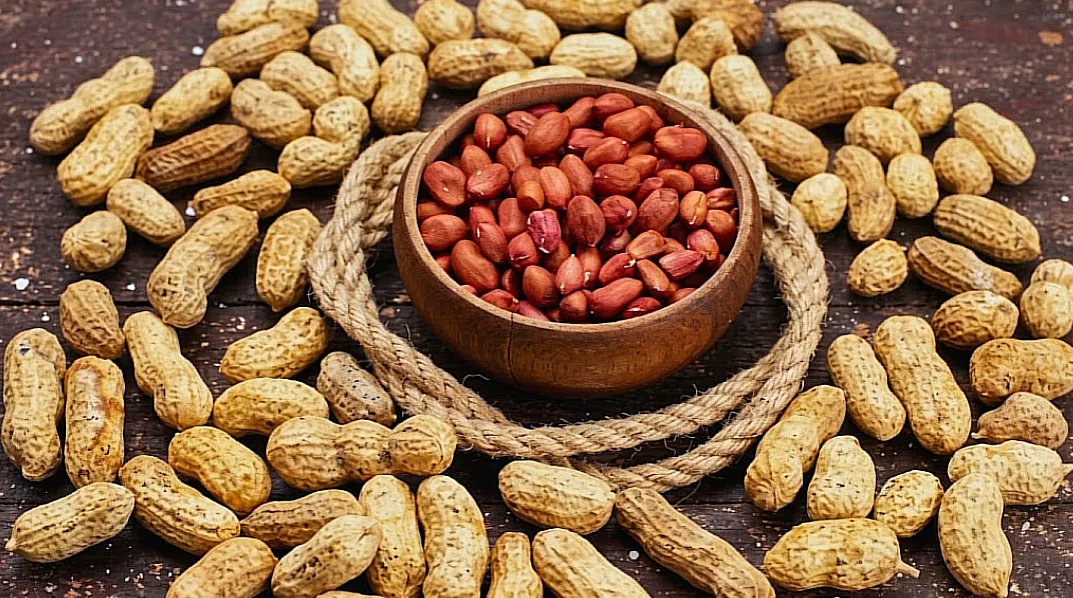
Peanuts are edible seeds of the peanut plant, scientifically known as Arachis hypogaea. Unlike almonds, walnuts, and cashews, which grow on trees, peanuts develop in pods beneath the soil.
Their underground growth explains why peanuts are classified as legumes rather than true botanical nuts. Nevertheless, their nutritional composition and culinary uses make them similar to many foods commonly called nuts.
Peanuts are widely grown and consumed in different parts of the world. In Pakistan, they are especially familiar as a winter snack, often sold roasted in their shells or as shelled kernels at markets, roadside stalls, and grocery stores.
People enjoy peanuts in several forms:
Each form has different characteristics. For example, dry-roasted peanuts may contain no added oil, while some packaged varieties include extra salt, sugar, flavorings, or cooking oils.
For everyday eating, the most useful approach is to consider the ingredients, portion size, freshness, and overall quality rather than assuming every peanut product is equally healthy.
Peanuts are energy-dense foods, meaning they provide a substantial amount of calories in a relatively small serving. Much of this energy comes from fat, particularly unsaturated fats.
According to USDA FoodData Central, a 100-gram serving of raw peanuts contains approximately the following nutrients. Values can vary according to the variety, preparation method, and specific product.
Nutrient | Approximate amount per 100 g |
|---|---|
Calories | 567 kcal |
Protein | 25.8 g |
Total fat | 49.2 g |
Carbohydrates | 16.1 g |
Dietary fiber | 8.5 g |
Total sugars | 4.7 g |
Magnesium | 168 mg |
Phosphorus | 376 mg |
Potassium | 705 mg |
Vitamin E | 8.3 mg |
Folate | 240 mcg |
Source: USDA FoodData Central.
These figures describe raw peanuts and should not be applied automatically to every roasted or flavored product.
Peanuts provide a substantial amount of plant-based protein. Protein helps maintain and repair body tissues and supports normal muscle function.
For people who eat limited amounts of meat, eggs, or dairy products, peanuts can contribute to daily protein intake alongside other foods such as lentils, beans, chickpeas, and whole grains.
However, peanuts should not be treated as a complete replacement for every protein source. Their amino acid profile differs from that of animal proteins, and a varied diet remains important.
Nearly half the weight of raw peanuts consists of fat. Much of this fat is monounsaturated and polyunsaturated, rather than saturated fat.
Unsaturated fats can help support healthy blood cholesterol levels when they replace substantial amounts of saturated fat in the diet.
The total quantity still matters because fat supplies approximately nine calories per gram. Eating large quantities of peanuts can significantly increase overall calorie intake even when the fats are predominantly unsaturated.
Peanuts contain dietary fiber, which contributes to digestive health and can help make meals more satisfying.
Their carbohydrate content is relatively modest compared with many sweet snacks, although peanut products containing added sugar may have considerably different nutritional profiles.
Peanuts supply magnesium, phosphorus, potassium, vitamin E, and folate, among other nutrients.
These nutrients participate in various bodily processes, including normal muscle and nerve function, energy metabolism, antioxidant protection, and the production of cells.
Peanuts can contribute to these nutritional needs, but they are only one part of a balanced diet.
Peanuts offer several nutritional advantages when included in a varied eating pattern. Their benefits depend on portion size, preparation method, individual health needs, and the other foods consumed throughout the day.
Protein is essential for building and maintaining muscles, repairing tissues, and supporting numerous biological processes.
Peanuts contain approximately 25.8 grams of protein per 100 grams, making them a concentrated plant-based source.
A typical 28-gram serving supplies roughly 7 grams of protein. This makes a small handful a useful addition to a snack or meal.
For example, peanuts can be paired with fruit, yogurt, or whole-grain foods to create a more substantial snack. They can also be added to porridge or homemade snack mixtures.
People who exercise regularly may find peanuts convenient because they provide both protein and energy. Nevertheless, muscle growth and recovery depend on overall protein intake, exercise, sleep, and the broader diet rather than a single food.
Peanuts contain substantial amounts of unsaturated fats, which can be beneficial when they replace foods rich in saturated fat.
Research on nuts and peanuts has associated their consumption with favorable cardiovascular outcomes in some populations. However, such evidence does not mean that eating peanuts alone prevents heart disease.
The overall dietary pattern matters. Replacing some highly processed snacks with modest portions of unsalted or lightly salted peanuts may help improve the quality of dietary fat intake.
People monitoring blood pressure should pay attention to sodium content, especially when choosing heavily salted or seasoned peanuts.
Those with diagnosed cardiovascular conditions should follow individualized medical advice rather than relying on any single food to manage their health.
Peanuts contain protein, fat, and fiber, a combination that can make snacks more satisfying than foods containing mostly refined carbohydrates.
Eating a measured portion may help some people manage hunger between meals and reduce the temptation to snack repeatedly.
However, peanuts are calorie-dense. A large bowl eaten without paying attention to portion size can provide considerably more energy than intended.
For a practical approach, place a serving in a small bowl instead of eating directly from a large packet. This makes it easier to enjoy the flavor while remaining aware of how much you consume.
Peanuts should not be considered a guaranteed weight-loss food. Their role in weight management depends on total calorie intake, activity levels, and individual eating habits.
Peanuts provide dietary fiber, which supports normal bowel function and contributes to a healthy diet.
Fiber can help maintain regularity when consumed alongside sufficient fluids and a variety of fiber-rich foods, including vegetables, fruit, legumes, and whole grains.
The amount of fiber in a typical peanut serving is useful but not sufficient to meet daily fiber requirements on its own.
People who currently eat little fiber may prefer to increase their intake gradually to reduce the likelihood of temporary digestive discomfort.
Peanuts contain several vitamins and minerals that contribute to normal physiological processes.
Magnesium participates in muscle and nerve function and energy metabolism. Phosphorus supports bones, teeth, and cellular functions. Potassium helps regulate fluid balance and supports normal nerve and muscle activity.
Vitamin E contributes to antioxidant protection, while folate is important for DNA synthesis and normal cell division.
These nutrients make peanuts a valuable component of a varied diet. However, eating larger quantities does not necessarily provide proportionally greater benefits, and peanuts should not be used as a substitute for medical treatment or prescribed nutritional supplements.
Peanuts contain relatively little carbohydrate compared with many sweetened snacks, and their combination of fat, protein, and fiber can influence how satisfying a meal or snack is.
Unsalted, unsweetened peanuts may fit into a balanced eating plan for people who monitor blood glucose levels.
However, peanuts do not cure diabetes or guarantee stable blood sugar. The effect of a meal depends on its total carbohydrate content, portion size, preparation, and individual circumstances.
Peanut candies, sweetened peanut spreads, and heavily coated snacks may contain added sugars that change their nutritional profile.
Anyone managing diabetes should consider the full meal and follow advice from their healthcare professional.
One practical advantage of moongphali in Pakistan is that peanuts are widely available and can be relatively economical compared with some imported nuts.
They provide protein, fats, fiber, and minerals in a compact serving. This makes them useful for people seeking variety in their everyday meals without relying exclusively on more expensive foods.
Prices vary by season, region, quality, and whether peanuts are raw, roasted, shelled, or packaged.
Affordability should not come at the expense of food safety. Peanuts that are moldy, damp, rancid, or poorly stored should be avoided, regardless of how inexpensive they are.
One of the most common questions about moongphali is whether raw or roasted peanuts are healthier.
The answer depends on the product and how it is prepared. Both can contribute useful nutrients, but roasting changes moisture content, flavor, texture, and sometimes the concentration of particular nutrients.
<PRIVATE_PERSON> Raw peanuts are often less processed and contain no added salt or cooking oil. Roasted peanuts can be equally practical, especially when they are prepared without excessive salt or added fats.
Raw peanuts have a mild, earthy flavor and a softer texture than roasted varieties.
Potential advantages include:
Raw peanuts are not automatically safer than roasted peanuts. They can still be contaminated with mold or improperly stored, and raw products may carry food-safety risks.
Choose peanuts from a reliable source and follow any preparation instructions on the packaging.
Dry-roasted peanuts are heated without intentionally adding cooking oil.
Roasting develops a stronger flavor and crunch while reducing moisture. It may also change the concentration of certain nutrients and compounds.
Potential advantages include:
Dry-roasted peanuts may still contain added salt or flavorings. Check the ingredient list rather than relying only on the words "dry roasted."
Oil-roasted peanuts are cooked using added oil, which may increase their calorie content depending on the preparation and the amount of oil retained.
They can be enjoyable, but the nutritional quality depends on the type of oil, quantity of added fat, sodium level, and other ingredients.
If you prefer oil-roasted peanuts, look for products with straightforward ingredients and moderate sodium levels.
For everyday eating, plain raw or unsalted dry-roasted peanuts are practical options. Neither variety is universally superior in every nutritional respect.
The best choice is one that fits your preferences, dietary needs, preparation method, and budget while remaining fresh and safe to eat.
Salt changes the flavor of peanuts but can also substantially increase their sodium content.
Sodium is an essential mineral, but consuming too much can contribute to high blood pressure in susceptible individuals.
The World Health Organization recommends that adults consume less than 2,000 milligrams of sodium per day, equivalent to less than 5 grams of salt.
Source: World Health Organization — Sodium reduction.
Unsalted peanuts generally make it easier to control sodium intake because they do not contain added salt. Lightly salted varieties may still fit into a balanced diet, depending on the serving size and the person's overall intake.
When comparing packaged products, check the sodium amount per serving and note how many servings the package contains.
People with high blood pressure, kidney conditions, or other medical dietary restrictions should follow the advice provided by their healthcare professional.
For many adults, a serving of approximately 28 grams, or one small handful of shelled peanuts, is a convenient starting point.
This portion contains roughly 160 calories and around 7 grams of protein, although the precise figures depend on the variety and preparation.
There is no single daily quantity that is ideal for everyone. Appropriate intake depends on total energy needs, other foods consumed, activity levels, allergies, and any medical dietary restrictions.
Portion | Approximate weight | Approximate calories |
|---|---|---|
Small snack | 15 g | 85 kcal |
Standard handful | 28 g | 160 kcal |
Larger serving | 40 g | 225 kcal |
Large portion | 50 g | 285 kcal |
These are estimates for plain peanuts and will vary by product and preparation.
People with peanut allergies must avoid peanuts and follow their clinician's advice about preventing exposure.
Peanuts can fit into a weight-management plan, but their energy density makes portion awareness important.
Protein, fat, and fiber can contribute to fullness. Replacing a less nutritious snack with a small serving of peanuts may improve dietary quality, particularly when the replacement reduces added sugar or other less desirable ingredients.
However, adding large portions of peanuts on top of an already energy-rich diet can increase calorie intake.
A useful strategy is to decide in advance how much you intend to eat and include it in your overall meal plan.
For example, a small serving of unsalted peanuts with fruit may be a satisfying afternoon snack. It can provide a combination of nutrients without requiring a large portion.
Avoid extreme diets that depend on eating only peanuts or eliminating entire food groups without a sound nutritional reason. Sustainable weight management generally requires a balanced eating pattern, appropriate energy intake, physical activity, and consistency.
Peanuts are nutritious for many people, but they are not suitable for everyone.
The most important considerations include allergies, contamination, portion size, and individual medical needs.
Peanut allergy can cause serious reactions, including anaphylaxis, which is a medical emergency.
Symptoms may include hives, swelling of the lips or tongue, vomiting, breathing difficulties, dizziness, or collapse. Symptoms can vary, and a severe reaction can occur rapidly.
Anyone who experiences signs of anaphylaxis should use prescribed emergency medication, such as an epinephrine auto-injector if available, and seek emergency medical care immediately.
People with known peanut allergies should avoid peanuts and check product labels for relevant ingredients and cross-contact warnings.
They should not experiment with small quantities to test whether an allergy has disappeared. Assessment by an appropriately qualified allergy specialist is safer.
Peanuts can be contaminated by molds that produce aflatoxins, naturally occurring toxins associated with certain Aspergillus species.
The risk increases under unsuitable growing, drying, transport, or storage conditions. Aflatoxin contamination may not always be visible, so appearance alone cannot guarantee safety.
Buy peanuts from reliable sellers who maintain appropriate handling and storage practices. Avoid products that are damp, moldy, discolored, shriveled in an unusual way, or have a musty smell.
Do not assume that roasting, washing, or removing visibly damaged kernels will make a contaminated batch safe.
Some people experience digestive discomfort after eating peanuts, especially when consuming large portions.
If a food repeatedly causes symptoms, reduce or avoid it and seek professional advice if the symptoms persist or are severe. Sudden symptoms involving breathing difficulties, throat swelling, or faintness require emergency attention because they may indicate a serious allergic reaction.
Whole peanuts present a choking hazard for young children. Avoid giving whole peanuts to children who are not developmentally ready to manage them safely.
Age-appropriate textures and careful supervision are important. Parents should consult a pediatric healthcare professional for guidance on introducing peanut-containing foods, particularly when allergy risk is a concern.
Quality matters whether you buy moongphali from a local market, a roadside vendor, or a packaged-food retailer.
A few practical checks can help you avoid poor-quality products.
Good-quality peanuts generally have a reasonably consistent appearance for their variety. Avoid kernels with visible mold, unusual discoloration, insect damage, or excessive shriveling.
Peanuts in shells should not be excessively damp or visibly moldy.
Appearance is only a preliminary check, however. Some contamination cannot be detected by sight.
Fresh peanuts typically have a mild, nutty aroma. A stale, musty, paint-like, or otherwise unpleasant smell may indicate deterioration or rancidity.
If the smell seems abnormal, do not taste the product to check whether it is safe.
Peanuts intended to be crunchy should not feel unexpectedly damp, soft, or sticky.
Moisture can encourage deterioration and mold growth. Products sold loose should be protected from rain, humidity, dust, and other environmental contamination.
For packaged peanuts, inspect the seal, packaging condition, ingredient list, expiry or best-before date, and storage instructions.
Avoid damaged or leaking packages, particularly if the product appears to have been exposed to moisture.
Look for clear information about the manufacturer or supplier and the product's ingredients.
Plain peanuts should have a relatively simple ingredient list.
If you want to control sodium or added sugar, compare labels on salted, flavored, or coated varieties.
Also check whether a product includes additional oils or seasonings that affect its nutritional profile.
Choose sellers who maintain clean storage areas and protect their products from moisture, pests, and excessive heat.
Low prices alone do not establish that a product is poor quality, but unusually cheap peanuts may deserve closer inspection if their freshness or storage history is uncertain.
For regular consumption, a dependable supplier is more useful than buying the cheapest available batch without considering its condition.
Proper storage helps preserve flavor, texture, and quality.
Peanuts contain a considerable amount of fat, and exposure to oxygen, heat, light, and moisture can contribute to deterioration.
Transfer opened peanuts into a clean, dry, airtight container. Keeping the container closed helps limit exposure to air, humidity, and household odors.
If you buy peanuts in a resealable package, close it securely after each use.
Store peanuts in a cool, dry location away from direct sunlight, stoves, and other heat sources.
In hot or humid conditions, refrigeration may help preserve freshness for longer, particularly for shelled peanuts or larger quantities.
Peanuts intended for longer storage can be kept in airtight containers in the refrigerator or freezer, provided they are protected from moisture and odors.
Allow refrigerated or frozen peanuts to remain sealed while they adjust to room temperature. This helps reduce condensation on the food.
Storage life varies according to the product, preparation, packaging, and conditions. Follow the manufacturer's instructions whenever available.
Before eating stored peanuts, look for visible mold, unusual moisture, insect damage, or an unpleasant smell.
Discard peanuts that appear spoiled. Do not try to make them safe by roasting them again or mixing them with fresh peanuts.
Peanuts are versatile and can be used in snacks, breakfasts, and meals.
A measured serving of plain or lightly roasted peanuts can provide protein, fats, and fiber between meals.
Pairing peanuts with fresh fruit can add variety and additional nutrients.
Chopped peanuts can be sprinkled over porridge, oats, or other breakfast dishes for extra crunch.
If you use peanut butter, compare product labels and choose an option that suits your preferences and dietary requirements.
Peanuts can be combined with roasted chickpeas or other ingredients to create a homemade snack mixture.
Be mindful of salt, sugar, and total portion size, particularly when mixing several energy-dense ingredients.
Crushed peanuts can add texture to salads, sauces, vegetable dishes, and selected traditional recipes.
They can also be used in homemade chutneys or peanut-based sauces, provided the ingredients and preparation suit your dietary needs.
Freshly roasted peanuts are a familiar winter snack in Pakistan. Choose a clean, reliable source, check that the peanuts are fresh, and keep the serving moderate.
A seasonal snack can be enjoyable without needing to be treated as a special health remedy.
Several misconceptions can make it harder to understand peanuts' place in a balanced diet.
Myth 1: Peanuts are unhealthy because they contain fat.
Peanuts are high in fat, but much of it is unsaturated. Their overall nutritional value depends on portion size, preparation, and the broader diet.
Myth 2: Roasted peanuts have no nutritional value.
Roasting changes the characteristics of peanuts but does not automatically eliminate their nutritional value. Plain roasted peanuts can still provide protein, fats, fiber, and minerals.
Myth 3: Eating peanuts automatically causes weight gain.
Weight changes depend on overall energy balance and many other factors. Peanuts are calorie-dense, but measured portions can fit into a balanced diet.
Myth 4: Peanuts cure diabetes or heart disease.
Peanuts may contribute to a nutritious eating pattern, but they are not a treatment or cure for medical conditions.
Myth 5: Peanuts that look normal are always safe.
Some contaminants, including aflatoxins, may not be visible. Reliable sourcing, proper handling, and suitable storage are important even when peanuts look fresh.
Peanuts, or moongphali, are an accessible and versatile food that provides plant-based protein, unsaturated fats, fiber, and several essential nutrients. They can support a balanced diet, contribute to satisfying snacks, and offer an affordable alternative to some highly processed foods.
Raw and roasted peanuts can both be good options. The best choice depends on freshness, preparation, added ingredients, personal preferences, and dietary needs. Unsalted or lightly salted varieties are useful choices for people who want to manage their sodium intake, while measured portions help prevent excessive calorie consumption.
Food safety deserves equal attention. Buy peanuts from reliable sources, store them in cool and dry conditions, and discard products that show signs of spoilage or have an unusual smell. People with peanut allergies should avoid exposure and follow appropriate medical advice.
Ultimately, the value of peanuts comes from using them sensibly as part of a varied eating pattern. A small handful can be a practical and enjoyable snack, but no single food can replace a balanced diet or individualized medical care.
Disclaimer: This article is for general educational purposes only and does not constitute medical or dietary advice. Nutritional values are approximate and may vary by product and preparation. People with food allergies or specific medical dietary needs should consult an appropriately qualified healthcare professional.
Questions about this article?
Email us and we will get back to you.
Explore more
