- 100% Natural
- Premium Quality
- No Preservatives
- Fresh & Healthy
Why are some dates dramatically more expensive than others? This guide explores the surprising factors behind premium date prices, from variety and growing region to harvesting, freshness, processing, packaging, supply, and demand. Learn how to tell whether expensive dates are actually worth the extra cost and how to choose the right dates for everyday eating, gifting, Ramadan, and special occasions.
Dates have been enjoyed for centuries, but not all dates come with the same price tag. Walk into a supermarket or browse a premium dry-fruit store and you may find one package of dates priced considerably higher than another. At first glance, the difference can seem surprising. After all, they are all dates.
So why are some dates inexpensive while others are considered premium?
The answer goes far beyond simple size or packaging. Date prices can be influenced by the variety, growing region, harvesting methods, ripeness, texture, appearance, processing, storage, transportation, and overall quality. Some varieties naturally command higher prices because of their distinctive flavor and texture, while others are produced on a much larger scale and are easier to source.
Premium dates can also involve more careful harvesting, sorting, handling, and packaging. In some cases, consumers are paying not only for the fruit itself but also for consistency, presentation, freshness, and the experience associated with a particular variety.
Understanding these differences can help shoppers make better choices instead of assuming that the most expensive dates are automatically the healthiest or that inexpensive dates are necessarily poor quality.
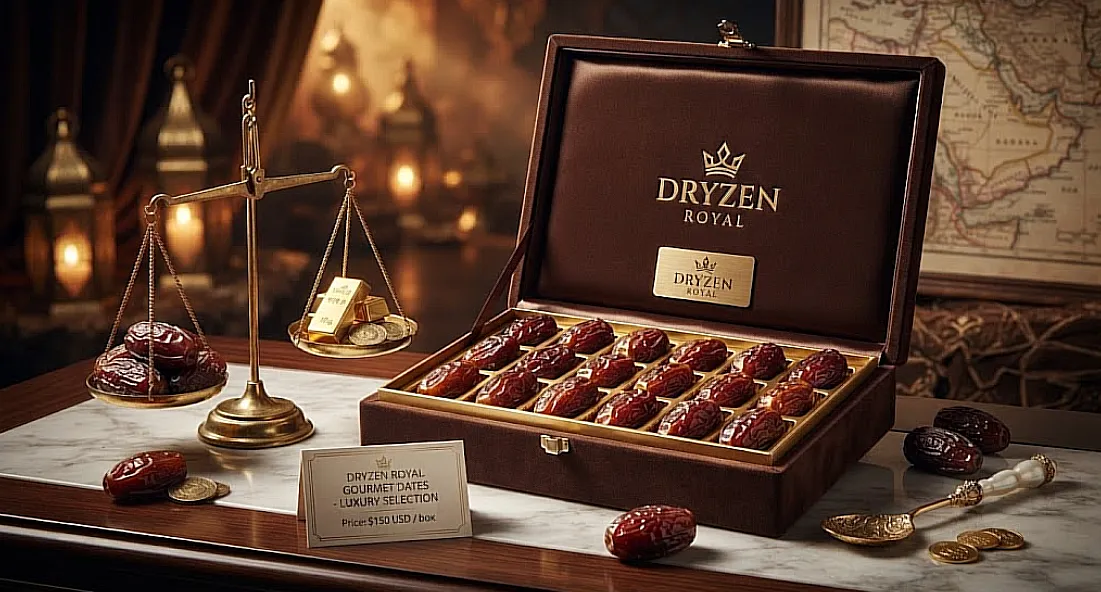
The word "premium" does not always have one universal definition. In the date industry, however, it generally refers to fruit that stands out because of its variety, appearance, taste, texture, size, consistency, or handling.
A premium date may have a soft and naturally caramel-like texture, an attractive appearance, uniform size, and a distinctive flavor. Some varieties are especially valued because they have characteristics that consumers associate with luxury or special occasions.
Premium dates are also often carefully selected. Fruit may be sorted according to size, maturity, appearance, and quality before being packaged.
This does not mean that every premium date is dramatically more nutritious than a standard date. The higher price often reflects a combination of agricultural, supply-chain, quality, and presentation factors.
One of the biggest reasons dates have different prices is variety.
There are numerous date varieties grown around the world, and each has its own characteristics. Some are relatively common and produced in large quantities, while others are more limited or associated with particular regions.
For example, Medjool dates are widely recognized for their large size, soft texture, and rich, sweet flavor. Other varieties may be smaller, firmer, drier, or less intensely sweet.
The difference in variety can be compared to other fruits. Apples, grapes, and mangoes all come in different varieties, and consumers generally expect them to have different prices depending on characteristics and availability.
The same principle applies to dates.
A variety that is difficult to cultivate, has lower production volumes, or is strongly associated with premium markets may cost more than a widely available variety.
When consumers purchase dates, appearance is often one of the first things they notice.
Large, plump dates can command higher prices because they are visually impressive and often have a soft, fleshy texture. Uniform fruit can also be more desirable than a mixed batch containing different sizes and appearances.
Premium packaging may therefore contain dates that have been carefully sorted for consistency.
Appearance can include:
This is particularly important when dates are sold as gifts or served at gatherings.
A box containing large, carefully arranged dates may be positioned as a premium product even when the underlying fruit comes from the same general agricultural category as a less expensive product.
Where a date is grown can also affect its value.
Different regions have different climates, soil conditions, agricultural practices, water availability, and production costs. These factors can influence the characteristics of the final fruit.
Certain growing regions may also develop reputations for producing particular varieties. When consumers associate a variety with a specific region or production tradition, that reputation can contribute to demand.
Transportation is another factor.
A date grown closer to its primary market may have lower transportation costs than one that must travel long distances through multiple stages of the supply chain.
Imported dates can therefore have additional costs associated with transportation, customs, distribution, storage, and retail.
Dates do not simply become premium because they are picked from a palm tree.
Harvest timing can influence the final texture, moisture, sweetness, and appearance of the fruit.
Depending on the variety and desired product, dates may be harvested at different stages of maturity. Some are sold relatively soft and moist, while others are allowed to develop a firmer or drier texture.
Getting the timing right can require experience and careful agricultural management.
If fruit is harvested too early, it may not develop the desired characteristics. If it remains on the tree too long, weather conditions or other factors may affect quality.
Premium production can therefore involve greater attention to harvesting conditions and timing.
Once dates are harvested, the work does not necessarily end.
Dates may need to be cleaned, sorted, graded, inspected, packed, and transported under suitable conditions.
The more carefully a product is handled, the greater the potential labor and operational costs.
For a premium product, producers and suppliers may pay particular attention to:
These processes help ensure that customers receive a more consistent product.
A loose bag of mixed dates and a carefully graded premium box may contain fruit from similar agricultural origins, but the amount of work performed between harvest and purchase can be very different.
Freshness is particularly important for soft and moist dates.
Dates are naturally shelf-stable compared with many fresh fruits, but they can still change over time. Their texture, aroma, moisture, and appearance can be affected by storage conditions and age.
A premium date product may be marketed with an emphasis on freshness and careful storage.
This can influence the price because maintaining quality throughout the supply chain requires proper handling.
For consumers, freshness can often matter more than simply choosing the highest-priced box. A moderately priced date that has been stored properly may be a better purchase than an expensive product that has been poorly handled.
Packaging can significantly affect the final retail price.
A basic bag requires relatively little material and presentation. A premium gift box, on the other hand, may involve carefully designed packaging, individual compartments, protective materials, labels, and additional presentation.
This becomes especially noticeable during Ramadan, weddings, corporate gifting, and other occasions when dates are purchased as gifts rather than simply as everyday food.
Premium packaging can make dates feel more luxurious.
However, shoppers should remember that an attractive box does not automatically mean the fruit inside is superior.
It is useful to consider the actual product as well as the packaging.
Like many agricultural products, dates are affected by supply and demand.
If a particular variety is highly sought after but production is relatively limited, prices can rise.
The opposite can happen when a variety is widely cultivated and readily available.
Demand can also increase around certain times of the year. Dates become especially prominent during Ramadan in many Muslim communities, when they are traditionally served for iftar.
Seasonal demand can influence availability, distribution, and retail pricing.
This is one reason consumers may notice differences in prices at different times of the year.
In markets such as Pakistan, imported dates can involve several layers of expense before reaching consumers.
The basic cost of the fruit may be only one part of the final price.
Other costs can include transportation, handling, storage, import-related expenses, distributor margins, retailer margins, and packaging.
A premium imported variety may therefore cost significantly more than a locally available variety even before differences in quality are considered.
This does not necessarily mean imported dates are better. It simply means the final retail price can reflect a more complicated supply chain.
Medjool dates are one of the best-known premium date varieties.
They are typically recognized for their large size, soft texture, and rich sweetness. Their appearance also makes them attractive for gifting and premium snack products.
Because of these characteristics, Medjool dates are often positioned at a higher price point than smaller or more widely available varieties.
However, "more expensive" does not necessarily mean "better for everyone."
Someone who prefers a firmer or less intensely sweet date may actually enjoy another variety more.
The best date is ultimately the one that fits your taste, intended use, and budget.
One of the biggest misconceptions about premium dates is that a higher price automatically means substantially greater nutritional value.
That is not necessarily the case.
Dates naturally provide carbohydrates and contain various nutrients and plant compounds, but nutritional differences between varieties should not be confused with the retail price.
A premium variety may be more expensive primarily because of its size, texture, rarity, reputation, processing, or presentation.
If your main goal is everyday snacking, there may be little reason to spend heavily on luxury packaging or rare varieties.
If your goal is gifting or serving guests, however, premium appearance and texture may be worth the additional cost.
Some shoppers become concerned when they notice a light or whitish appearance on dates.
In certain cases, this can be related to natural sugar crystallization on the surface, particularly as dates age or lose some moisture. The appearance can vary depending on the type of date and storage conditions.
However, not every unusual surface appearance should automatically be assumed to be harmless.
If dates have an unpleasant smell, obvious mold, unusual discoloration, or other signs of spoilage, they should be treated cautiously.
When buying premium dates, consumers should look beyond appearance and consider freshness, aroma, texture, packaging condition, and storage.
Dates have a natural advantage as a gift because they combine food, tradition, presentation, and cultural significance.
A beautifully packaged box of high-quality dates can work well for:
For gifting, the appearance of the fruit matters more.
Large, uniform dates presented in an elegant box can create a much more premium impression than loose fruit in ordinary packaging.
This is one reason premium dates can command a higher retail price even when the nutritional differences are relatively modest.
Before spending more on dates, ask yourself what you are buying them for.
If you want dates for everyday snacking, focus on freshness, flavor, texture, and value rather than luxury packaging.
If you are buying dates as a gift, presentation and variety may justify paying more.
If you are purchasing for a large family gathering, a moderately priced variety may make more sense because you need a larger quantity.
A useful approach is to compare products based on:
Looking at the price per kilogram is particularly helpful because package sizes can be misleading.
A smaller premium box can appear affordable until you compare its price per kilogram with a larger package.
Not necessarily.
Lower-priced dates can still be perfectly suitable for everyday consumption.
A cheaper variety may simply be more abundant, smaller in size, less heavily sorted, or sold in simpler packaging.
Price alone is not a reliable measure of quality.
A good-value date should still have an acceptable appearance, aroma, texture, and freshness for its intended use.
In fact, consumers who are willing to choose less expensive varieties can often enjoy dates regularly without paying the premium associated with luxury products.
Buying expensive dates only to let them deteriorate at home defeats the purpose of paying for quality.
Storage depends partly on the type of date and its moisture level, but dates should generally be protected from excessive heat, moisture, and contamination.
In warm climates, proper storage becomes particularly important.
Keep dates in a clean, well-sealed container and follow any storage instructions provided on the package. If the product requires refrigeration after opening, follow those instructions.
Avoid leaving soft dates exposed to hot conditions for extended periods.
Proper storage can help preserve their texture, flavor, and overall quality.
The term "premium" can sometimes be used loosely in food marketing.
For dates, it can refer to several different things:
These factors can overlap, but they are not identical.
A premium variety does not automatically mean premium freshness.
An expensive package does not automatically contain the best-tasting fruit.
And a cheaper variety does not automatically mean poor quality.
Understanding what is actually driving the price is the key to making an informed purchase.
Different situations call for different types of dates.
For everyday eating, choose a variety that offers a good balance between price, freshness, taste, and texture.
For Ramadan or family gatherings, a versatile variety that appeals to different preferences may be more practical.
For gifting, larger and visually attractive dates in high-quality packaging may make more sense.
For cooking and desserts, the ideal date may depend on its sweetness, softness, and ability to blend or be chopped easily.
There is no single "best" date for every purpose.
The best choice is the one that matches how you intend to use it.
Before purchasing premium dates, take a moment to look beyond the label.
Check the variety and country or region of origin when provided. Compare the weight and price rather than judging value from the package size alone.
Look for dates that appear reasonably consistent and free from obvious signs of damage or spoilage.
If purchasing packaged dates, check the packaging condition and any storage instructions.
Most importantly, think about whether you actually need a premium product.
If you're buying dates for a gift, premium presentation can be worthwhile. If you're buying them for your own daily snack, a simpler variety may provide excellent value.
The reason some dates cost far more than others is not simply that they are "better dates." Price can reflect variety, size, growing region, harvesting practices, processing, sorting, freshness, transportation, packaging, supply, demand, and even the purpose for which the product is being purchased.
Premium varieties such as Medjool may command higher prices because of their size, texture, flavor, reputation, and market demand. Carefully selected and beautifully packaged dates can also carry additional costs that have little to do with nutritional differences.
For shoppers, the smartest approach is to look beyond the price tag. Consider freshness, variety, texture, quality, package size, price per kilogram, and intended use.
Sometimes a premium box is exactly what you want, especially for gifting or special occasions. Other times, a more affordable variety can provide excellent everyday value.
In the end, understanding what you are paying for makes it easier to decide whether a premium date is genuinely worth the extra cost.
Date prices can vary based on variety, size, growing region, harvesting methods, freshness, processing, packaging, supply, and demand. Premium varieties and carefully selected fruit often cost more than widely available varieties.
Not necessarily. Premium dates may cost more because of their variety, texture, appearance, rarity, handling, or packaging rather than because they provide significantly more nutrition.
Larger, visually appealing dates can be more desirable for consumers, particularly for gifting and special occasions. Some varieties are also more limited or have characteristics such as a soft texture and rich sweetness that increase demand.
No. Lower-priced dates can still be fresh and enjoyable, while an expensive product may reflect packaging, variety, or branding. Comparing freshness, texture, appearance, variety, and price per kilogram can help determine whether the higher price is worthwhile.
Fasih Frankly
SEO Expert and eCommerce Specialist. Shopify, eBay and online selling.
Questions about this article?
Email us and we will get back to you.
Explore more
For everyday eating, focus on freshness, flavor, texture, and value. For gifting, premium varieties, larger fruit, consistent appearance, and attractive packaging may make the additional cost worthwhile.
