- 100% Natural
- Premium Quality
- No Preservatives
- Fresh & Healthy
Pumpkin seeds offer plant-based protein, healthy fats, fiber, and essential minerals in a versatile snack. Learn about their nutritional value, potential health benefits, and how plain varieties compare with salted or flavored products. Discover how to roast pumpkin seeds at home, choose quality products, manage portions, and store them properly to preserve freshness and flavor.
Pumpkin seeds are a simple, versatile food that can be enjoyed as a snack, added to breakfast bowls, mixed into salads, or used as an ingredient in homemade recipes. Often overlooked when preparing fresh pumpkins, these edible seeds offer a combination of plant-based protein, unsaturated fats, fiber, and important minerals.
Their popularity also comes from their convenience. Pumpkin seeds can be purchased raw, dried, roasted, salted, or shelled, making them suitable for different preferences and cooking styles. With a little preparation, fresh seeds removed from a pumpkin can also be cleaned, roasted, and enjoyed at home rather than discarded.
However, pumpkin seeds are not automatically a low-calorie food simply because they are natural. Shelled pumpkin seed kernels are energy-dense, and added oil, salt, sugar, and flavorings can change the nutritional value of a finished product. Understanding these differences helps consumers make more informed choices.
This guide explores pumpkin seed nutrition, potential health benefits, appropriate portions, home-roasting techniques, buying considerations, and practical storage methods. It also explains which common health claims are supported by nutritional evidence and why pumpkin seeds work best as part of a varied, balanced diet.
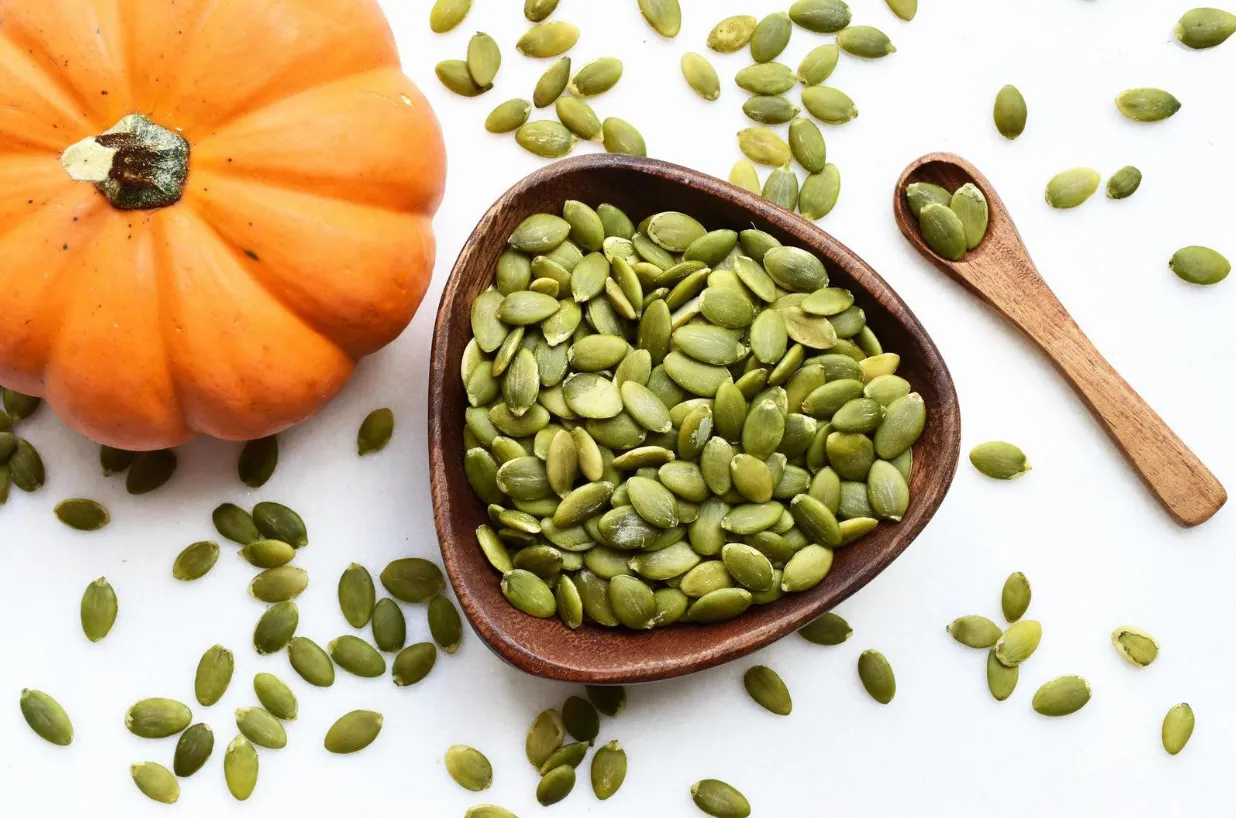
Pumpkin seeds are the edible seeds found inside pumpkins and certain other varieties of winter squash. They are commonly eaten whole after roasting or consumed as shelled kernels, which are often green and sold as pepitas.
The appearance depends on the variety and processing method. Seeds with their outer shells intact are generally flatter and lighter in color, while shelled kernels are typically green. Both forms can be eaten, although their texture, preparation requirements, and nutritional values differ.
Pumpkin seeds have a mild, nutty flavor that becomes more pronounced when they are roasted. This makes them suitable for savory seasonings, breakfast dishes, baked goods, and snack mixes.
They are also different from pumpkin flesh. Pumpkin flesh contains considerable water and is relatively low in energy, whereas the seeds contain more fat and are much more energy-dense. Their nutritional roles are therefore different, even though both come from the same plant.
Pumpkin seeds can be purchased in several forms:
Knowing which form you are buying is important because nutrition information, preparation methods, and storage needs may vary.
Pumpkin seeds provide several nutrients that support normal body function. Their exact nutritional composition depends on the variety, whether the outer shell is included, and how the seeds are processed.
According to USDA-derived nutrition data, 100 grams of roasted, unsalted pumpkin seed kernels contains approximately 574 calories, 29.8 grams of protein, 49 grams of fat, 14.7 grams of carbohydrates, and 6.5 grams of fiber. These figures apply to shelled kernels and should not be confused with values for whole seeds eaten with their shells.
The following table summarizes their main nutritional components.
Nutrient | Role in the body |
|---|---|
Protein | Supports tissue maintenance and repair |
Unsaturated fats | Supply energy and support normal cell function |
Dietary fiber | Contributes to digestive health |
Magnesium | Supports normal muscle, nerve, and energy-related functions |
Zinc | Contributes to immune function, wound healing, and normal growth |
Phosphorus | Helps maintain bones and teeth and supports energy metabolism |
Iron | Helps the body produce hemoglobin, which carries oxygen |
Potassium | Supports normal muscle function and fluid balance |
The values in the table describe the nutrients' general roles, not a guarantee that one serving of pumpkin seeds will provide all of them in substantial amounts.
A typical small serving of shelled pumpkin seeds might be around 28 grams, or approximately one ounce. Based on the nutrition data above, that amount provides roughly 160 calories and 8.5 grams of protein.
That makes pumpkin seeds a useful source of plant-based protein, but their calorie content should not be overlooked. A handful can provide meaningful nutrients, while several large handfuls can add a considerable amount of energy to the day's diet.
Nutrition labels are particularly useful when comparing packaged products. Check whether the stated serving refers to shelled kernels or whole seeds, and whether the nutritional figures include added oil or seasoning.
Pumpkin seeds can contribute to a healthy eating pattern because they supply protein, unsaturated fats, fiber, and several minerals. Their benefits should nevertheless be understood realistically: eating them does not guarantee disease prevention, rapid weight loss, or improvements in every aspect of health.
Protein is needed for normal growth, tissue maintenance, and repair. It also helps the body produce enzymes and other substances required for everyday biological processes.
Pumpkin seed kernels provide a useful amount of plant-based protein for a relatively small serving. This can be valuable for people who eat vegetarian meals or want to add variety to their protein sources.
In Pakistan, pumpkin seeds can be combined with foods such as lentils, chickpeas, beans, yogurt, eggs, and whole grains to create meals with a broader range of nutrients.
However, pumpkin seeds should not be treated as the only protein source in a person's diet. Their relatively high energy density means that increasing protein intake exclusively through seeds may also substantially increase calorie consumption.
Pumpkin seeds contain substantial amounts of fat, much of which is unsaturated. Dietary fats provide energy, support cell structure, and help the body absorb fat-soluble vitamins from foods.
Unsaturated fats can form part of a heart-conscious dietary pattern, particularly when they replace some sources of saturated fat. The overall diet, including the balance of fats and the amount of sodium consumed, remains important.
It would be inaccurate to claim that eating pumpkin seeds alone prevents heart disease or automatically lowers cholesterol. Their value comes from their nutritional composition and how they fit into a person's wider eating habits.
For everyday snacking, plain or lightly roasted pumpkin seeds can be a practical way to include unsaturated fats without relying exclusively on highly processed snack products.
Magnesium participates in hundreds of processes in the body, including normal muscle and nerve function, energy production, and the maintenance of bones.
Pumpkin seed kernels are a particularly notable source of magnesium. USDA-derived data for roasted, unsalted kernels report approximately 550 milligrams per 100 grams, although the amount in an individual product may differ.
Because 100 grams is a relatively large serving, it is more useful to evaluate magnesium intake using the portion actually eaten.
Including pumpkin seeds alongside vegetables, legumes, whole grains, and other nutrient-containing foods can help contribute to overall magnesium intake.
People who suspect they have a magnesium deficiency should seek appropriate medical advice rather than relying on pumpkin seeds as a treatment.
Zinc is an essential mineral involved in immune function, wound healing, cell division, and normal growth.
Pumpkin seeds contain zinc, making them one of several plant foods that can contribute to dietary intake. The amount available to the body depends on factors including the serving size and the presence of compounds that affect mineral absorption.
A varied diet containing suitable sources of zinc is generally more helpful than depending on a single ingredient.
Although zinc is important for immune health, pumpkin seeds should not be promoted as a cure for infections or as a way to guarantee protection against illness.
Pumpkin seeds contain dietary fiber, although the amount varies according to whether the product consists of shelled kernels or whole seeds.
Fiber supports normal digestive function and can help maintain regular bowel movements when consumed as part of a diet that provides adequate fiber and fluid.
For people who eat relatively few plant foods, adding measured portions of pumpkin seeds may be one small way to increase dietary variety. Other useful sources of fiber include vegetables, fruit, beans, lentils, and whole grains.
People who are increasing fiber intake should do so in a way that suits their tolerance and overall diet. Pumpkin seeds alone are not a substitute for a balanced, fiber-containing eating pattern.
Pumpkin seeds contain protein, fat, and some fiber. These nutrients can make a snack more substantial than one consisting mainly of refined carbohydrates.
For example, a measured serving of pumpkin seeds can be added to plain yogurt or a breakfast bowl. The combination may provide a broader range of nutrients than either ingredient alone.
However, satisfaction varies from person to person. Pumpkin seeds are calorie-dense, so portion awareness remains important for people who are managing their energy intake.
Their best use is as one convenient snack or ingredient within a varied diet, not as a product that automatically controls hunger or causes weight loss.
One practical benefit of pumpkin seeds is that they can be incorporated into many familiar foods without changing the entire meal.
A small quantity can be sprinkled over salads, vegetable dishes, oatmeal, yogurt, or homemade bread. They can also be included in snack mixes alongside other seeds or dried fruit.
This flexibility can make it easier to diversify the ingredients used in everyday cooking.
Rather than focusing on a single supposed superfood, consumers can benefit from regularly eating a range of vegetables, fruits, legumes, whole grains, nuts, and seeds in appropriate portions.
Pumpkin seeds can fit into a weight-management plan, but they should not be described as a weight-loss food in themselves.
Their protein, fat, and fiber can make a modest serving satisfying. At the same time, shelled pumpkin seed kernels contain approximately 574 calories per 100 grams, so portions can contribute significant energy when they are eaten in large quantities.
People who want to manage their weight can consider these habits:
A small serving can add texture and nutrients to a meal without requiring a large quantity. Whether it helps with weight management ultimately depends on the overall diet, activity level, and individual energy needs.
Choosing good-quality pumpkin seeds is important for flavor, freshness, and safe storage. Whether you buy them from a dry-fruit shop, supermarket, or online retailer, a few simple checks can help you make a better purchase.
Shelled pumpkin seed kernels are commonly green, while seeds with their outer coverings may be cream-colored or pale yellow. Natural variations in size and shade are normal.
Avoid products with visible mold, unusual dark patches, insect contamination, or excessive foreign material. Appearance alone cannot establish food safety, but obvious signs of deterioration are reasons to reject a product.
Fresh pumpkin seeds generally have a mild, nutty smell. An unpleasant, stale, musty, or rancid odor may indicate that the seeds have deteriorated or been stored poorly.
This matters because pumpkin seeds contain substantial fat, which can become rancid when exposed to unfavorable storage conditions over time.
Do not taste seeds to check whether a product with visible mold or a suspicious smell is safe.
For packaged pumpkin seeds, check that the seal is intact and the packet has not been damaged by moisture or pests.
Read the ingredient list and nutrition information. A product described as roasted may contain added oil, while seasoned varieties may contain considerable salt or other ingredients.
Also check the best-before date and any storage instructions supplied by the manufacturer.
Whole pumpkin seeds may require more effort to eat, depending on the hardness of their outer shells. Shelled kernels are convenient for adding to recipes and measuring portions.
Compare products by weight and nutrition information rather than judging value from packet size alone. A larger-looking packet does not necessarily contain more edible kernels.
Choose retailers who store seeds in clean, dry conditions and keep loose products protected from dust, insects, and moisture.
If purchasing online, check the seller's reputation, product description, packaging details, and return policy. Avoid products that arrive in damaged packaging or show signs of poor handling.
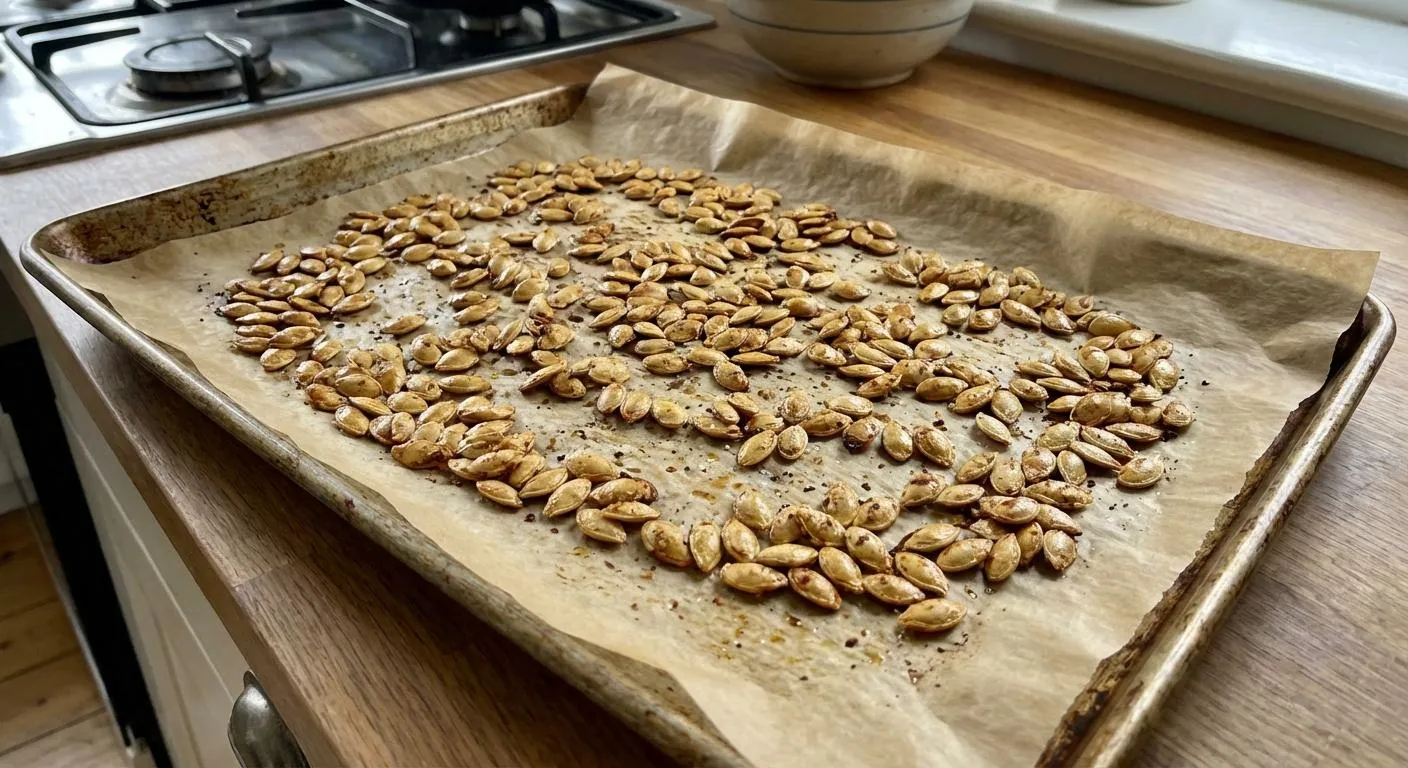
Roasting pumpkin seeds is a straightforward way to develop their flavor and make them crisp. Fresh seeds taken from a pumpkin can be prepared at home, while commercially purchased seeds may simply need reheating or seasoning according to their existing preparation.
University extension guidance distinguishes drying from roasting: drying removes moisture, while roasting develops the toasted flavor and texture.
If using fresh pumpkin seeds, scoop them from the pumpkin and place them in a clean bowl.
Remove as much of the attached pulp and stringy material as possible. You do not need to achieve perfect separation immediately, because rinsing will help remove the remaining fibers.
Discard seeds that are visibly moldy or otherwise appear spoiled.
Place the seeds in a colander and rinse them under clean running water. Use your fingers to loosen the remaining pumpkin fibers.
Drain the seeds thoroughly. Removing the pulp helps produce a cleaner finished snack and reduces the amount of residue left on the baking tray.
Spread the cleaned seeds on a clean towel or suitable tray and pat them dry.
For a crisp result, allow them to dry thoroughly before roasting. Damp seeds may take longer to become crisp and can cook unevenly.
If you need to dry a large batch, use an appropriate low-temperature oven or food dehydrator and follow a tested preparation method. Stir the seeds periodically to prevent scorching.
Place the dried seeds in a bowl. If desired, add a small amount of oil and seasonings such as black pepper, garlic powder, cumin, or paprika.
Salt can also be added, but it is worth keeping the quantity modest if you are trying to reduce sodium intake.
You can roast pumpkin seeds without oil. Using oil changes the flavor and increases the energy content, so the choice depends on your preference.
Spread the seeds in a single layer on a baking tray. A commonly recommended method is to roast dried seeds in an oven preheated to approximately 250°F (121°C) for 10–15 minutes, stirring as needed. Timing depends on seed size, moisture content, and the oven, so monitor them carefully.
Avoid assuming that every batch will finish at exactly the same time. Remove the seeds when they have developed a toasted aroma and the desired texture, without allowing them to burn.
Allow the roasted seeds to cool completely before placing them in a storage container.
Sealing them while they are still warm can trap moisture and reduce crispness. Once cooled, transfer them to a clean, dry, airtight container.
If you have prepared a large batch, refrigerate or freeze the portion you will not use soon rather than leaving it at room temperature for an extended period.
Storage conditions affect both freshness and texture. Pumpkin seeds contain fats that can deteriorate over time, especially when exposed to heat, oxygen, light, or unsuitable moisture conditions.
Place dried or roasted pumpkin seeds in a clean, completely dry container with a secure lid. A resealable food-storage bag may also work if it is intact and suitable for the product.
Limit repeated exposure to air and moisture by closing the container promptly after use.
Choose a cool, dry storage location away from direct sunlight, cooking steam, and other sources of heat.
In warm or humid conditions, a pantry may not be the best place for long-term storage. Refrigeration or freezing can help preserve quality for longer periods.
The University of Alaska Fairbanks Cooperative Extension recommends storing dried or roasted pumpkin seeds in an airtight container in the refrigerator for no more than 10–14 days, with freezing as an option for longer storage. Other extension guidance also recommends refrigeration or freezing to reduce deterioration during longer storage.
Follow any more specific instructions provided by the manufacturer for commercially packaged products. Homemade seeds may differ in moisture content and storage stability.
For a larger batch, place completely cooled seeds in a suitable freezer-safe container or bag, remove excess air where practical, and label the package with the storage date.
Divide the batch into smaller portions if you expect to use it gradually. This allows you to remove only what you need and limits repeated exposure of the remaining seeds to air and moisture.
Before eating stored pumpkin seeds, check for an unusual smell, visible mold, dampness, or other signs of deterioration.
Discard seeds that appear spoiled. Roasting or reheating cannot reliably make moldy or otherwise contaminated food safe.
A few small mistakes can affect the quality of pumpkin seeds or make them less suitable for your dietary goals.
Using too much oil: Oil adds flavor, but a heavy coating increases the calorie content. Start with a small quantity if you choose to use it.
Adding excessive salt: Salted products can contribute more sodium than plain varieties. Season according to your needs and preferences.
Storing seeds before they cool: Warm seeds may create trapped moisture inside a closed container, affecting their texture and storage quality.
Leaving seeds exposed to humidity: Seeds can lose their crispness when exposed to moisture. Keep containers closed and use clean, dry utensils.
Ignoring portion size: Pumpkin seeds contain useful nutrients, but their energy density makes very large servings easy to underestimate.
Believing every health claim: Pumpkin seeds contribute nutrients to the diet, but they are not a substitute for medical care or a guarantee against chronic disease.
Pumpkin seeds are a versatile food that provides plant-based protein, unsaturated fats, fiber, magnesium, zinc, and other nutrients. They can be enjoyed as a simple snack or added to salads, breakfast dishes, and homemade recipes.
Their nutritional value makes them a useful part of a balanced diet, but portion size matters because shelled kernels are energy-dense. Plain and lightly roasted varieties also offer greater control over added salt, oil, and flavorings than many heavily seasoned products.
For the best results at home, clean fresh seeds thoroughly, dry them properly, roast them carefully, and allow them to cool before storage. Keep dried or roasted seeds in an airtight container and use refrigeration or freezing when longer storage is needed. Always discard products showing signs of spoilage.
Choosing quality pumpkin seeds and handling them properly can help preserve their flavor, texture, and usefulness in everyday meals. As with any food, the goal is not to rely on a single ingredient for perfect health, but to enjoy it as part of a varied, balanced eating pattern.
For more practical food and nutrition guidance, visit Dryzen Royal. You can also explore Jurnza for legal information and Finiuo for personal finance and money-related topics.
Questions about this article?
Email us and we will get back to you.
Explore more
