- 100% Natural
- Premium Quality
- No Preservatives
- Fresh & Healthy
Roasted chana, commonly known as bhuna chana in Pakistan, is a crunchy, convenient snack that provides plant-based protein, fiber, and essential nutrients. Learn about its potential health benefits, nutrition facts, portion sizes, salted versus unsalted varieties, and simple tips for choosing and storing fresh roasted chickpeas.
Roasted chana, commonly known as bhuna chana in Pakistan, is one of the simplest snacks to find in local markets. Affordable, crunchy, and easy to carry, it has long been enjoyed at home, during travel, and between meals. Unlike many packaged snacks, plain roasted chickpeas provide plant-based protein, dietary fiber, and several essential nutrients in a convenient form.
But is roasted chana actually good for you? How much protein does it contain? Can it help you feel full for longer, and is it a better choice than chips or other popular snacks? The answers depend on the type of chana you buy, how it is prepared, how much you eat, and what the rest of your diet looks like.
This guide explores roasted chana nutrition, its potential health benefits, practical serving suggestions, differences between salted and unsalted varieties, and tips for choosing and storing fresh bhuna chana.
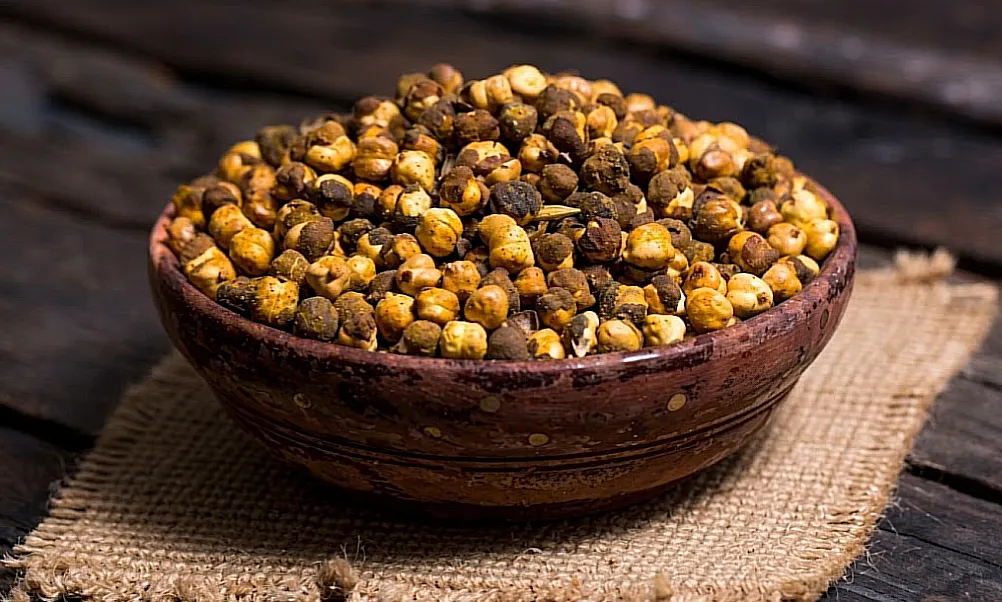
Roasted chana is made from chickpeas, the edible seeds of a legume known scientifically as Cicer arietinum. Chickpeas are widely used in South Asian cooking and appear in familiar foods such as chana masala, chickpea curry, chana chaat, and chickpea flour.
In Pakistan, bhuna chana usually refers to chickpeas roasted until they become dry and crunchy. Depending on the variety and preparation method, the finished snack may have a light golden, brown, or darker appearance. Some versions are sold with their outer skins, while others have a harder, skinless texture.
You may also find roasted chickpeas seasoned with salt, spices, or other flavorings. These products can taste different and have different nutritional profiles from plain roasted chana.
It is important to distinguish roasted chana from boiled chickpeas. Both come from the same legume, but their water content differs considerably. Boiled chickpeas contain substantial moisture, whereas dry-roasted chickpeas are more concentrated by weight. This means their protein and calorie values per 100 grams cannot be compared directly without considering moisture content and preparation.
Chickpeas are naturally rich in plant protein, carbohydrates, and fiber. They also supply folate, iron, phosphorus, and other minerals. Harvard's Nutrition Source identifies chickpeas as a source of protein, fiber, B vitamins, and several minerals. Source: Harvard T.H. Chan School of Public Health.
The nutritional value of bhuna chana depends on the chickpea variety, roasting process, final moisture level, and any added oil, salt, or seasonings. Products sold by different shops may therefore have different values.
The following table summarizes the main nutrients you can expect from plain roasted chickpeas.
Nutrient | Why it matters |
|---|---|
Protein | Helps build and maintain muscles and other body tissues |
Dietary fiber | Supports normal digestion and can help with fullness |
Carbohydrates | Supply energy for everyday activities |
Folate | Supports normal cell division and red blood cell formation |
Iron | Helps the body produce hemoglobin, which carries oxygen |
Phosphorus | Helps maintain bones and supports normal energy metabolism |
Manganese | Plays a role in several enzyme functions |
Magnesium | Supports normal muscle, nerve, and other bodily functions |
These nutrients make roasted chana a useful addition to a balanced eating pattern. However, it should not be treated as a complete meal or a substitute for a varied diet.
Protein is one of the main reasons people choose chickpeas as a snack. Chickpeas provide plant-based protein, making them useful for people who want to include more legumes in their diets.
Dry chickpeas generally contain a substantial amount of protein by weight, but the exact figure for finished roasted chana varies by product. A packaged product's nutrition label is the most reliable source for its specific protein content.
Remember that the amount you eat matters. A small handful provides less protein than a large bowl, and a snack-sized portion will not necessarily meet your total daily protein needs.
For a more balanced snack, roasted chana can be paired with foods that contribute other nutrients. For example, you could eat it alongside plain yogurt, fresh fruit, or a small serving of vegetables, depending on your appetite and dietary needs.
Roasted chana contains calories because it supplies carbohydrates and protein. Its calorie concentration per 100 grams can be higher than that of boiled chickpeas because roasting removes much of the water.
This does not automatically make roasted chana an unhealthy choice. The more useful questions are how much you eat, whether oil or other ingredients have been added, and what the snack replaces.
Plain roasted chana may be a satisfying alternative to snacks that are high in added salt or oil. However, large portions still contribute calories, and oil-coated or heavily seasoned versions may contain more.
If you are monitoring your food intake, check the serving size on the packaging rather than relying on a generic online figure.
Roasted chana provides several nutrients that can support normal body functions. Its benefits are best understood as part of an overall healthy diet rather than as special effects from one food.
Protein is necessary for building and repairing tissues, maintaining muscle, and producing enzymes and other substances the body needs.
Chickpeas offer a practical plant-based protein option for people who eat less meat or want to add variety to their protein sources. They are also useful in vegetarian diets, where combining different protein-rich foods throughout the day helps provide a broad range of essential amino acids.
Roasted chana is convenient because it can be carried without the preparation required for many fresh foods. A portion can fit into a workday, a study break, or a journey.
Still, it is not necessary to rely on roasted chana alone for protein. Eggs, milk, yogurt, fish, meat, lentils, beans, and other legumes can all contribute to daily needs.
Dietary fiber is an important part of a balanced diet. Chickpeas contain fiber that contributes to normal bowel function and helps support digestive health.
Fiber adds bulk to stool, while certain types can also be used by beneficial bacteria in the gut. Chickpeas contain fermentable carbohydrates that may support gut microbes, although these compounds can also produce gas in some people.
Roasted chana can help increase fiber intake, especially for people who frequently choose refined, low-fiber snacks. However, eating a large amount suddenly may cause bloating, gas, or abdominal discomfort if your body is not accustomed to high-fiber foods.
If you are not used to eating legumes, start with a modest portion and increase it gradually as tolerated. Drinking enough fluids and eating a variety of fiber-containing foods can also help support normal digestion.
People who experience persistent or severe digestive symptoms should not assume that changing snack foods alone will resolve the problem.
Protein and fiber can contribute to feelings of fullness. Since roasted chana contains both, it may be a satisfying snack for people who become hungry between meals.
For example, a measured serving may help bridge the gap between lunch and dinner without requiring a large meal. Its crunchy texture also makes it easy to eat slowly when you pay attention to portion size.
Fullness varies from person to person. Sleep, activity levels, meal composition, and individual appetite all influence how satisfied you feel after eating.
Roasted chana does not directly cause weight loss. Weight management depends on the overall balance between food intake, energy use, health conditions, and long-term habits. Nevertheless, replacing a less filling snack with a reasonable portion of plain roasted chana may be a useful dietary change for some people.
Chickpeas contain folate, a B vitamin involved in cell division and normal red blood cell formation. Folate is particularly important during periods of rapid growth and pregnancy, when nutritional needs can change.
Chickpeas also provide minerals such as iron, phosphorus, and manganese. Iron is required for hemoglobin production, while phosphorus contributes to bones and energy-related processes.
The presence of these nutrients does not mean that eating roasted chana alone will prevent or correct a deficiency. The amount absorbed by the body can differ from the amount present in food, and overall nutrient needs vary.
For instance, plant foods contain non-heme iron, which is generally absorbed less efficiently than heme iron from animal foods. Eating vitamin C-rich foods alongside plant sources of iron can improve non-heme iron absorption.
Fresh guava, citrus fruit, tomatoes, and other vitamin C-containing foods can be practical options to include elsewhere in the same meal or snack.
Chickpeas contain fiber and are naturally low in saturated fat. When eaten as part of a varied diet, legumes can contribute to an eating pattern that supports cardiovascular health.
Research on legumes more broadly suggests that replacing some foods high in saturated fat with plant-based protein sources may improve certain cardiovascular risk factors. These findings relate to overall dietary patterns and substitutions, not to a guarantee that one serving of roasted chana will lower cholesterol or blood pressure. Source: Harvard's Nutrition Source.
The type of roasted chana matters. Plain or lightly seasoned versions can be easier to fit into a lower-sodium eating pattern than heavily salted products.
People who need to limit sodium because of a medical condition should check product labels and follow their healthcare professional's advice.
Chips, crackers, and other packaged snacks can vary widely in their amounts of salt, fat, fiber, and added ingredients. Plain roasted chana offers another option that naturally contains protein and fiber.
This does not mean every packaged snack is unhealthy or that roasted chana is always the better choice. Preparation and portion size still matter.
A heavily salted, oil-coated product may have a different nutritional profile from plain roasted chickpeas. Likewise, a snack that fits one person's dietary needs may not suit another person's allergies or medical requirements.
The practical advantage of plain bhuna chana is its simplicity. It is easy to portion, requires little preparation, and can be included in a variety of everyday eating routines.
Roasted chana contains carbohydrates, which supply energy, along with protein and fiber. This combination can make it a useful snack when you need something convenient between meals.
Students may carry a small portion for a study break, while workers may keep some available during a busy day. It can also be useful during travel when fresh food is not readily available, provided it has been stored safely.
However, roasted chana is not a specialized sports fuel or a complete recovery meal. People undertaking prolonged or intense exercise may need additional carbohydrates, fluids, protein, and other nutrients depending on the activity.
Its role is straightforward: it is one convenient food that can contribute energy and nutrients to an otherwise varied diet.
There is no single daily portion of roasted chana that is appropriate for everyone. Your needs depend on age, activity level, appetite, overall diet, digestive tolerance, and any medical dietary restrictions.
For many adults, a small handful—roughly 25 to 30 grams by weight—can be a practical starting point for a snack. This is a serving suggestion, not a medically established daily requirement. A larger or smaller amount may suit your circumstances.
If you buy roasted chana loose from a local shop, consider measuring a portion once using a kitchen scale or measuring cup. This can help you understand what a reasonable serving looks like without needing to weigh every snack.
Keep the following tips in mind:
If you have a condition that requires an individualized diet, ask a qualified healthcare professional or dietitian about the portion that suits you.
Roasted chana and peanuts are both popular snacks in Pakistan, but they have different nutritional characteristics. Neither is universally better; the right choice depends on what you want from your snack.
Feature | Roasted chana | Peanuts |
|---|---|---|
Main food group | Legume | Legume |
Protein | Provides plant protein | Provides plant protein |
Fiber | A useful source | Contains fiber |
Fat content | Generally lower in fat when prepared without added oil | Naturally higher in fat |
Energy density | Often lower than peanuts by weight, depending on preparation | Generally more calorie-dense |
Typical texture | Dry and crunchy | Crunchy, with a richer, oilier texture |
Common additions | Salt and spices | Salt, spices, or added oils |
Allergy consideration | Chickpea allergy is possible | Peanut allergy can cause severe reactions |
Peanuts naturally contain more fat, including unsaturated fats, and are typically more calorie-dense. Roasted chana can be a useful choice if you prefer a crunchy snack with less naturally occurring fat.
On the other hand, peanuts can be a valuable source of energy, protein, and unsaturated fats. The nutritional value of either snack depends on portion size and preparation.
For variety, you can alternate between the two rather than treating them as competitors. If you have a peanut allergy, avoid peanuts and products that may contain them; if you suspect a chickpea allergy, seek medical guidance rather than experimenting with different portions.
The biggest practical difference between salted and unsalted bhuna chana is often sodium content. Chickpeas naturally contain relatively little sodium, but salt added during roasting or seasoning can increase the final amount considerably.
Unsalted roasted chana is a straightforward choice for people who want to control their sodium intake. It can also be seasoned at home with ingredients such as cumin, black pepper, paprika, or a small amount of other spices.
Salted varieties may be perfectly acceptable for some people, but it is easy to consume more sodium than intended when eating snacks directly from a large packet.
When buying packaged products, check the nutrition label for sodium or salt per serving and compare brands when possible. Be especially careful with products marketed as spicy, tangy, or extra-flavored, since their seasoning blends may contain added salt.
For people advised to restrict sodium because of high blood pressure, kidney disease, or another condition, the appropriate choice should follow their clinician's dietary recommendations.
Chickpeas contain carbohydrates, so roasted chana can affect blood glucose. However, they also contain protein and fiber, which influence how a meal or snack is digested.
Research on chickpeas and other legumes suggests that their fiber content and slowly digested carbohydrates can be helpful components of a balanced eating pattern. Harvard's Nutrition Source notes that chickpeas have a low glycemic index and discusses their potential role in blood glucose management, while also emphasizing the broader dietary context. Source: Harvard T.H. Chan School of Public Health.
That does not mean roasted chana is carbohydrate-free, or that every person with diabetes will respond to it in the same way. The amount eaten, the product's preparation, and the rest of the meal all matter.
People managing diabetes can consider a measured portion as part of their meal plan, while monitoring their individual response as advised by their healthcare team. Avoid assuming that a food is unlimited simply because it contains fiber or is described as having a low glycemic index.
Roasted chana is suitable for many people, but a few considerations are worth keeping in mind.
Chickpeas contain fermentable carbohydrates that can produce gas during digestion. If legumes regularly cause discomfort, try a smaller portion and observe how you feel. Persistent symptoms deserve medical attention rather than repeated self-treatment.
Although chickpea allergy is not the same as peanut allergy, allergic reactions to chickpeas are possible. Symptoms can range from itching and hives to more serious reactions involving breathing difficulty or swelling.
Anyone with a known chickpea allergy should avoid the food and check ingredient and cross-contact information where relevant. Breathing difficulty, throat swelling, or other signs of a severe allergic reaction require emergency medical care.
Heavily salted roasted chana may not be the best choice for people following a sodium-restricted diet. Unsalted versions offer more control, but labels and portion sizes still matter.
Very hard, crunchy chickpeas can pose a choking risk for young children, depending on their age and feeding abilities. Parents and caregivers should choose age-appropriate textures and follow established child-feeding safety guidance.
Some medical conditions require specific adjustments to protein, sodium, potassium, phosphorus, or total carbohydrate intake. Chickpeas can still fit into many diets, but the appropriate amount depends on the individual plan.
Whether you buy roasted chana from a neighborhood shop, a market stall, or a packaged-food retailer, check its quality before bringing it home.
Fresh roasted chana should have a clean, characteristic roasted aroma. Avoid products with a rancid, musty, moldy, or otherwise unusual smell.
A strange smell is a reason to reject the product, not something to cover with spices.
Look for a reasonably consistent product without visible mold, insects, webbing, or excessive foreign material. Natural differences in color and size are normal, particularly with traditional roasting methods, so appearance alone cannot establish safety.
Roasted chana is generally expected to be dry and crunchy. Unusual dampness, clumping, or a soft texture may indicate poor storage or exposure to moisture.
Not every texture difference means the food is unsafe, but any combination of dampness, mold, or an unpleasant odor is a reason not to eat it.
When buying loose bhuna chana, choose a shop that keeps the product covered and protected from dust, moisture, and insects. Ask when a fresh batch was prepared if that information is available.
Avoid buying more than you can reasonably consume while it remains fresh. A smaller purchase that gets eaten promptly can be better than storing a large quantity under unsuitable conditions.
For sealed products, check the expiry or best-before date, packaging integrity, and ingredient list. Avoid packets that are damaged, punctured, damp, or swollen in an unusual way.
Compare sodium levels and added ingredients if you are choosing between flavored varieties. A shorter ingredient list may make it easier to identify what has been added, although ingredient-list length alone does not determine overall quality.
Proper storage helps preserve the crunch, flavor, and quality of bhuna chana.
Storage life varies according to the roasting method, packaging, humidity, and temperature. Follow the manufacturer's instructions for packaged products, and do not assume that all homemade or loose roasted chana will remain fresh for the same number of days.
In humid conditions, moisture control is especially important. Keep the container sealed between servings and avoid leaving the snack exposed to air for extended periods.
Plain bhuna chana is convenient on its own, but a few simple serving ideas can make it more interesting without requiring complicated preparation.
Keep a small portion ready for the time between lunch and dinner. Pre-portioning can help you avoid mindlessly eating from a large bag.
Roasted chana with guava, an orange, or another seasonal fruit combines protein and fiber from the chickpeas with the fruit's own vitamins, water, and other nutrients.
Combine roasted chana with a small amount of roasted spices. If you add other ingredients, such as seeds or peanuts, remember that the overall nutritional value and allergy considerations will change.
A modest serving can accompany a meal or be included as one part of a snack plate. It should complement, not replace, the vegetables, fruits, grains, and other protein sources that make up a varied diet.
If you prefer a stronger flavor, use cumin, coriander, black pepper, or a small pinch of chili powder. Add salt sparingly, especially if you already consume salty foods throughout the day.
The goal is not to turn every snack into a complicated recipe. One of bhuna chana's main advantages is that it is simple, portable, and easy to serve.
Roasted chana provides protein and fiber, which may help with fullness, but no single snack guarantees weight loss. Overall calorie intake, physical activity, sleep, and other factors influence body weight.
Even nutritious foods contribute energy, and very large servings may cause digestive discomfort. A reasonable portion is more useful than assuming that a food can be eaten without limits.
Different chickpea varieties, moisture levels, roasting methods, and added ingredients affect the final product. Packaged nutrition information is more reliable than assuming every type has identical values.
The chickpeas may provide similar core nutrients, but added salt changes sodium content. Added oil or flavoring ingredients can also alter the nutritional profile.
Chickpeas provide useful plant protein, but a varied diet can supply a wider range of nutrients and amino acids. Include other protein-rich foods according to your preferences and dietary needs.
Roasted chana, or bhuna chana, is a practical and familiar snack that can provide plant-based protein, dietary fiber, carbohydrates, folate, iron, and other important nutrients. Its convenience makes it easy to enjoy at home, at work, during study breaks, or while traveling.
The potential benefits are straightforward: protein contributes to tissue maintenance, fiber supports normal digestion, and the combination can help some people feel satisfied between meals. Chickpeas can also fit into a heart-conscious and balanced eating pattern when prepared and portioned sensibly.
The best choice is usually a fresh product with a clean smell, a dry and crunchy texture, and a level of salt that suits your dietary needs. Store it in an airtight container away from moisture, and choose a portion that fits your appetite and overall diet.
Most importantly, think of bhuna chana as one useful part of a varied eating pattern—not a miracle food. Enjoy it alongside fruits, vegetables, whole grains, and other sources of protein to build everyday eating habits that are practical, affordable, and sustainable.
Roasted chana provides plant-based protein, dietary fiber, folate, iron, and other essential nutrients. It can support normal digestion, contribute to feelings of fullness, and fit into a balanced diet.
A small handful of around 25–30 grams can be a practical snack portion for many adults. The ideal amount depends on your appetite, activity level, overall diet, and individual nutritional needs.
Roasted chana contains protein and fiber, which may help you feel full between meals. It can be a useful alternative to some less filling snacks, but weight management depends on your overall eating habits and energy balance.
Questions about this article?
Email us and we will get back to you.
Explore more
