- 100% Natural
- Premium Quality
- No Preservatives
- Fresh & Healthy
Roasted chickpeas and nuts both offer valuable nutrients, but their protein, fiber, fat, and calorie content differ. Discover which snack may keep you satisfied longer, how bhuna chana compares with almonds and other nuts, and how to choose portions and preparations that fit a balanced diet.
When hunger strikes between meals, a handful of nuts or a bowl of roasted chickpeas can seem like an easy, healthy choice. Both offer plant-based nutrients, both can satisfy a craving for something crunchy, and both are convenient alternatives to many heavily processed snacks. Yet they are not nutritionally identical, and the better choice depends on what you want from your snack.
Roasted chickpeas, commonly known as bhuna chana in Pakistan and parts of South Asia, are particularly appealing to people looking for an affordable source of plant protein and fiber. Nuts such as almonds, walnuts, pistachios, and cashews offer a different nutritional package, with healthy unsaturated fats, protein, minerals, and varying amounts of fiber.
But which option keeps you full longer? Which offers better value for money? Are roasted chickpeas automatically better for weight management because they often contain fewer calories per serving? And should you replace nuts with chickpeas if you want to eat healthier?
The answer is more interesting than choosing one winner. Both foods can contribute to a balanced diet, but they have different strengths. Understanding those differences can help you choose snacks that suit your appetite, preferences, budget, and daily routine.
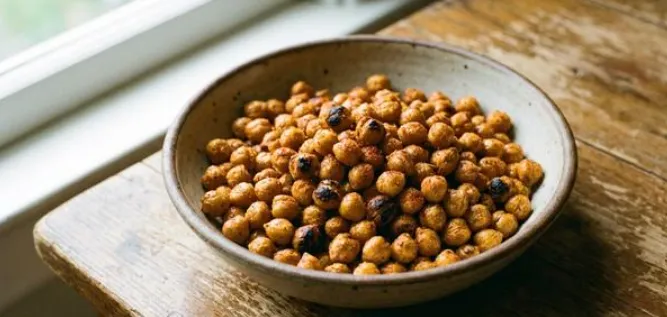
Roasted chickpeas are made from chickpeas, also called garbanzo beans. They are legumes, a food group that also includes lentils, peas, and many varieties of beans. Chickpeas can be roasted until crunchy and seasoned with ingredients such as cumin, black pepper, paprika, garlic, or a small amount of salt.
Bhuna chana is a familiar snack in South Asia, where roasted chickpeas are often eaten on their own or paired with other foods. Depending on the preparation, the product may be made from whole chickpeas or split and roasted Bengal gram. Those products are related but not necessarily nutritionally identical, so the specific variety matters when comparing nutrition labels.
Nuts, meanwhile, include almonds, walnuts, pistachios, cashews, hazelnuts, and pecans. Peanuts are botanically legumes, although they are commonly grouped with nuts in everyday food discussions because they have a similar nutritional role.
Nuts generally provide concentrated energy from fats, including monounsaturated and polyunsaturated fats. They also supply protein, fiber, vitamins, and minerals. Chickpeas tend to provide more carbohydrate and fiber relative to fat, along with plant protein and several important micronutrients.
Neither category is automatically healthier in every situation. A plain serving of either can be a nutritious snack, while heavily salted, sweetened, or oil-rich versions may have a different nutritional profile.
The most useful comparison looks at the whole nutritional package rather than focusing on a single nutrient.
Protein is one of the nutrients that helps make a snack satisfying. It contributes to maintaining and repairing body tissues and supports many essential functions. Including protein in a snack may also help some people feel satisfied between meals, although fullness depends on more than protein alone.
Roasted chickpeas provide plant-based protein, making them useful for people who want to include more legumes in their diet. Nuts also contain protein, but the amount varies considerably by type.
For example, almonds provide around 6 grams of protein per one-ounce serving. Chickpeas can provide a substantial amount of protein as well, but the exact quantity in a serving of roasted chickpeas depends on whether they are whole or split, how they were prepared, and the serving size.
It is important not to compare a large bowl of chickpeas with a small handful of almonds and conclude that one food is inherently superior. Use comparable portions and check the nutrition label when available.
Protein is also only one part of the picture. A snack with more protein is not guaranteed to keep every person full longer. Fat, fiber, food texture, portion size, eating speed, and the rest of the diet all influence how satisfying a snack feels.
For people seeking a plant-based snack, both chickpeas and nuts can contribute useful protein. They can also be combined with other foods throughout the day to help meet individual nutritional needs.
Fiber is another important part of the comparison. It supports digestive health and can contribute to fullness, particularly when it is included as part of a balanced meal or snack.
Chickpeas are well known for their fiber content. As legumes, they contain both soluble and insoluble fiber. Nuts also provide fiber, although amounts vary by variety.
Fiber can help slow digestion and add bulk to food moving through the digestive system. Some types of fiber are also fermented by gut bacteria. These are useful reasons to include a variety of fiber-containing foods rather than relying on a single snack.
Roasted chickpeas can be a practical way to increase legume consumption, particularly for people who enjoy crunchy foods but want an alternative to chips or crackers. Almonds and other nuts can also contribute fiber while providing unsaturated fats and other nutrients.
However, there is no universal rule that a higher-fiber snack will always keep someone satisfied for a longer period. People differ in their appetites, activity levels, digestion, and responses to particular foods.
If you are increasing your fiber intake, do so gradually and drink enough fluids. A sudden increase in legumes can cause gas or bloating for some people, especially if they are not accustomed to eating them regularly.
The table below summarizes the general differences between plain roasted chickpeas and common nuts. Exact nutrition varies with the chickpea variety, roasting method, oil and seasoning added, and type of nut.
Nutritional feature | Roasted chickpeas | Nuts such as almonds and walnuts |
|---|---|---|
Main macronutrient pattern | More carbohydrate, with protein and fiber | More fat, with protein and varying amounts of fiber |
Protein | Useful plant-based source | Useful plant-based source; amount varies by nut |
Fiber | Generally a notable source | Provides fiber, with amounts varying by variety |
Fat | Naturally low in fat before added oil | Naturally rich in fats, predominantly unsaturated |
Calories per equal weight | Often lower than nuts, depending on preparation | Generally calorie-dense |
Important nutrients | Includes folate, iron, and other minerals | Includes nutrients such as vitamin E, magnesium, and other minerals, depending on the nut |
Texture | Crunchy when thoroughly roasted | Crunchy, creamy, or firm depending on variety |
Cost | Often an economical option, depending on local prices | Prices vary; some varieties can be relatively expensive |
Best use | Fiber-rich snack or crunchy addition to meals | Convenient source of unsaturated fats, protein, and micronutrients |
The comparison shows why these foods should not be treated as interchangeable. Chickpeas and nuts offer overlapping benefits, but their nutritional strengths are different.
A person trying to increase legume intake may prefer roasted chickpeas. Someone looking for a compact source of unsaturated fats may prefer nuts. A person who enjoys both can include them in different portions throughout the week.
This is the central question, but it does not have a universal answer.
Chickpeas contain protein and fiber, two features associated with satisfying foods. Their relatively high carbohydrate content also provides energy. Nuts combine protein and fiber with fat, which contributes to their energy density and may influence how quickly a snack is digested.
Both combinations can be satisfying.
Chickpeas provide a combination of protein and fiber. Fiber can add bulk and influence digestion, while protein contributes to the overall satisfaction a person gets from a snack.
Their crunchy texture may also encourage chewing, especially when the chickpeas are eaten slowly rather than consumed absent-mindedly from a large packet.
Plain roasted chickpeas can be particularly useful when you want a savory snack that feels substantial without relying heavily on added oil. A portion can also provide nutrients that may be missing from a diet dominated by refined snack foods.
However, roasted chickpeas vary widely. A product covered in oil or heavily seasoned with salt may differ from a simple dry-roasted version. The portion you eat matters, too.
Nuts combine protein and fiber with unsaturated fats. They are energy-dense, meaning a relatively small portion supplies a substantial amount of energy.
That can be an advantage for people who need a compact snack, have limited time to eat, or want to add more unsaturated fats to their diet.
Their energy density also means portions can become large without appearing especially substantial. Eating directly from a large packet makes it easy to consume more than intended.
Nuts are not inherently less suitable for weight management because they contain more calories per gram. What matters is the overall diet, portion size, and whether the snack replaces other food or simply adds extra energy.
Nutrition research supports the idea that foods containing protein and fiber can help promote satisfaction, but there is no dependable rule that roasted chickpeas always keep people full longer than nuts—or vice versa.
The answer may differ from person to person. One person may find that a portion of bhuna chana comfortably bridges the gap between lunch and dinner. Another may find that a small serving of almonds is more satisfying.
The best way to judge your own response is to pay attention to what happens after eating. Are you comfortably satisfied? Do you feel hungry again soon? Did the snack satisfy your craving, or do you keep searching for something else?
A satisfying snack should meet your needs without leaving you uncomfortably full or prompting constant grazing.
Roasted chickpeas can be a useful choice for people managing their weight, particularly when they replace snacks that provide substantial calories with relatively little protein or fiber. However, no single food causes weight loss on its own.
Weight management depends on many factors, including overall energy intake, physical activity, sleep, health conditions, medication, and eating patterns. The role of a snack is to fit into that broader picture.
Roasted chickpeas may appeal to people who want a crunchy snack with protein and fiber. If prepared with little added oil and a moderate amount of salt, they can be a practical alternative to some fried or highly processed snacks.
Nuts can also fit into a weight-management plan. Their calories are concentrated, but they provide useful nutrients and can be satisfying in modest portions. Removing nuts solely because they contain fat may mean missing out on a valuable food.
The better question is not, “Which snack makes me lose weight?” It is, “Which snack helps me eat in a way that is satisfying, sustainable, and appropriate for my needs?”
A bowl of plain roasted chickpeas is different from a commercial snack coated in oil, sugar, or heavy seasoning. Likewise, unsalted almonds differ from honey-coated nuts or heavily salted nut mixes.
Added ingredients can change the energy, sodium, sugar, and fat content of either snack. If you buy packaged products, compare the nutrition information rather than assuming every product in the category has the same benefits.
Replacing a less nutritious snack with roasted chickpeas may improve the overall quality of your diet. Adding a large portion of chickpeas or nuts on top of your usual meals and snacks, however, increases your total intake.
That does not mean snacks should be avoided. It means their role matters. A snack that addresses genuine hunger between meals can be useful; eating repeatedly without noticing portions may make it harder to understand your appetite.
Neither chickpeas nor nuts should be treated as a shortcut to weight loss. They are foods that can support a balanced eating pattern when used appropriately.
Both foods can contribute to a heart-conscious eating pattern, although they do so in somewhat different ways.
Chickpeas contain fiber, plant protein, and several minerals. Legumes are commonly included in healthy dietary patterns because they provide useful nutrients and can replace some less nutritious foods.
Nuts are notable for their unsaturated fats. Depending on the variety, they can also supply nutrients such as magnesium, vitamin E, and plant compounds. Walnuts, for example, contain alpha-linolenic acid, a plant-based omega-3 fatty acid.
The overall diet matters more than declaring one snack the winner. Eating a variety of legumes, nuts, seeds, vegetables, fruits, and whole grains provides a broader range of nutrients than relying on one food every day.
Preparation matters here as well. Large amounts of added salt can make a snack less suitable for people who need to monitor sodium intake. If that applies to you, look for unsalted or lightly salted products and consider seasoning chickpeas at home.
People with specific medical or dietary needs should follow advice tailored to their circumstances rather than relying on a general comparison between two foods.
For many households, price is a major factor in choosing snacks. Roasted chickpeas and bhuna chana can be economical options, particularly in places where chickpeas are commonly sold. Nuts may cost more per kilogram, although prices differ by variety, quality, location, and season.
However, the cheapest price per packet does not necessarily mean the best value. Compare the price per serving, how much you actually eat, and whether the product stays fresh long enough to be used.
Buying chickpeas in bulk may reduce the cost per serving, but only if you store them properly and use them before quality declines. Similarly, a larger bag of nuts can be economical if you portion it sensibly and protect it from heat and moisture.
For a budget-conscious snack routine, you could use roasted chickpeas on most days and include nuts when you want their particular flavor and nutritional benefits. You do not have to choose one food exclusively.
A varied approach can also prevent snack fatigue. If you enjoy what you eat, you are more likely to maintain the habit than if you force yourself to eat the same food every day because it appears to be the cheapest option.
The preparation method can matter as much as the food itself. Here is what to look for when buying or making roasted chickpeas and nuts.
Look for products with a simple ingredient list. Chickpeas, modest amounts of oil, and spices can be all you need for a flavorful snack.
Check the sodium content if you are trying to reduce salt. Some flavored products contain substantially more sodium than plain versions.
If you roast chickpeas at home, you can control the ingredients. Use cooked chickpeas that have been drained and dried thoroughly, add a modest amount of oil if desired, season with spices, and roast until they reach the texture you enjoy. Cooking time varies with chickpea size, moisture, and oven temperature, so check them during roasting.
Allow them to cool before storing them in an appropriate airtight container. Moisture can soften their texture, and homemade batches may not stay crunchy as long as commercial products. Discard food that develops an unusual smell, visible mold, or other signs of spoilage.
Plain, dry-roasted, or lightly salted nuts are straightforward choices. Compare flavored versions for added sugar, sodium, and oils.
Check the package for the serving size, since a bag may contain several servings even if it looks small. You can portion a serving into a bowl rather than eating straight from the packet.
Store nuts in a cool, dry place, following the package directions. Nuts contain fats that can become rancid over time, especially when exposed to heat, light, and air. Refrigeration or freezing may help preserve quality for longer storage, depending on the product.
If you have a nut allergy, avoid the relevant nuts and check labels for cross-contact warnings. Roasted chickpeas are not automatically safe for every person with food allergies, so packaged products should still be checked for ingredients and manufacturing warnings.
You do not need to turn the choice into a competition. Chickpeas and nuts can serve different purposes, and using both may provide more variety.
A measured portion of bhuna chana can work when you want something crunchy and savory. Choose a version with an amount of salt and oil that fits your preferences.
If plain roasted chickpeas feel too dry, pair them with water or another unsweetened drink. You can also combine them with fresh vegetables or another food if you need a more substantial snack.
A small portion of almonds, pistachios, walnuts, or another nut can be convenient when you are traveling, working, or away from home. Because nuts are energy-dense, a small serving can provide useful energy without requiring a large volume of food.
Keep in mind that nuts alone may not satisfy every person for the same length of time. If you are genuinely hungry and several hours remain before your next meal, a more substantial snack may be appropriate.
A small mixture of roasted chickpeas and nuts offers a combination of carbohydrate, protein, fiber, and unsaturated fats. You can adjust the proportions to suit your appetite and preferences.
For example, you might use more chickpeas for a crunchy, legume-based snack and add a smaller amount of almonds or pistachios for flavor and texture. Be mindful of salt if both ingredients are seasoned.
The purpose of combining foods is variety, not creating a snack that is automatically superior to either food alone.
Roasted chickpeas are not limited to snacking. They can add crunch to salads, soups, grain bowls, and vegetable dishes. Chickpeas prepared in other ways can be added to curries, wraps, and mixed meals.
Using chickpeas as part of meals can help you benefit from their nutrients without needing to rely on packaged snacks. Nuts can also be added to suitable dishes for flavor and texture.
The most sustainable eating routine is one that gives you flexibility rather than imposing strict rules about which foods you are allowed to enjoy.
Even nutritious foods can become less helpful when they are eaten without considering portions, preparation, or personal needs.
Assuming lower calories automatically means healthier. Calories matter, but so do protein, fiber, fats, vitamins, minerals, and the rest of your diet. Nuts provide valuable nutrients despite being calorie-dense.
Eating directly from a large package. It is easy to lose track of portions when distracted. Put a serving in a bowl and see whether it satisfies you before reaching for more.
Choosing heavily salted versions every time. Seasoned products can be enjoyable, but frequent high-sodium snacks may not suit everyone. Compare labels and try spices or herbs for flavor.
Expecting one snack to keep you full for hours. Hunger depends on the time since your last meal, activity, individual needs, and portion size. If a snack does not satisfy you, consider whether you need a larger or more balanced option.
Ignoring digestive comfort. Some people experience gas or bloating after eating chickpeas. Start with a comfortable portion and increase legume intake gradually if you are not used to it.
Treating food as a magic solution. Neither roasted chickpeas nor nuts independently guarantee weight loss, better digestion, or protection from disease. Their value comes from how they fit into a balanced overall diet.
Roasted chickpeas and nuts are both worthwhile options for a balanced snack, but they offer different nutritional advantages. Chickpeas provide plant protein and fiber, while nuts deliver protein alongside unsaturated fats and a range of nutrients that vary by variety.
Which snack keeps you full longer? There is no universal winner. The result depends on the serving size, preparation, the rest of your diet, and how your body responds. Roasted chickpeas may be appealing if you want a crunchy, fiber-rich snack, while nuts may suit you when you want a compact source of energy and unsaturated fats.
For many people, the smartest approach is to include both. Choose plain or lightly seasoned versions, pay attention to portions, and let appetite, budget, taste, and nutritional needs guide your decisions.
Healthy snacking does not require expensive specialty products or strict food rules. Everyday options such as bhuna chana, almonds, and other nuts can all fit into a varied eating pattern.
For more practical food and nutrition content, visit Dryzen Royal. You can also explore Finiuo for personal-finance topics and Jurnza for legal and consumer-rights information.
The best snack is not necessarily the one that wins a nutrition comparison on paper. It is the one that you enjoy, that meets your needs, and that helps you build eating habits you can maintain.
Both can be nutritious choices. Roasted chickpeas provide plant protein and fiber, while nuts supply protein, fiber, and beneficial unsaturated fats. The better option depends on your nutritional needs, portion size, preparation method, and overall diet.
Neither consistently keeps everyone full longer. Chickpeas provide protein and fiber, while nuts combine protein and fiber with fats. Portion size, individual appetite, and what you eat alongside the snack can all influence how satisfied you feel.
Both can fit into a balanced diet when eaten in appropriate portions. Choose products with moderate amounts of added salt, sugar, and oil, and include a variety of other nutritious foods. People with relevant food allergies or specific dietary requirements should choose snacks accordingly.
Questions about this article?
Email us and we will get back to you.
Explore more
