- 100% Natural
- Premium Quality
- No Preservatives
- Fresh & Healthy
A dry, coarse herb-and-seed finishing mixture, kept distinct from a blended dressing or pesto.
Sunflower seed gremolata is a fresh chopped mixture of parsley, lemon zest, garlic and lightly toasted kernels. It is scattered over food near serving, rather than cooked as a sauce. The seeds add a mild nutty note to a bright herb finish without turning it into a heavy paste.
This is a home variation on a lemon-parsley gremolata, with sunflower kernels added for texture. It should stay loose enough to sprinkle. Sunflower seed gremolata is different from pesto or a creamy dressing, so a blender and a large quantity of oil are not part of the basic method.
The recipe makes enough for roughly four modest meal portions, depending on how generously it is used. Allow fifteen minutes, including cooling the toasted seeds. You need a dry pan, sharp knife, board, fine grater and a clean bowl.
The mixture is deliberately small and fresh. It is not a jar of herbs preserved in oil. Check the seeds' packaging for seasoning and allergen information. Use edible hulled kernels, not striped in-shell snack seeds, which are unsuitable for a fine sprinkle.
Put kernels into a dry pan over medium-low heat. Stir for three to five minutes until lightly golden and fragrant. Remove to a cool plate immediately. They should not become dark brown, because the fresh herbs will not hide a burnt flavour.
Cool before chopping. Warm seeds can wilt parsley and make the mixture feel damp. If using already roasted plain kernels, taste them first and skip or shorten the pan stage. Salted kernels require less added salt in the final bowl.
Rinse parsley appropriately, then dry well with a spinner or clean cloth. Water left on the leaves makes the mixture clump and dilutes the fresh finish. Let washed herbs drain before you begin chopping rather than trying to fix a wet pile afterward.
Use tender stems as well as leaves if pleasant, chopping them finely. Thick woody stems are less suitable for this small garnish. Do not chop a whole bunch merely because it is available; the measured amount keeps lemon and garlic in proportion.
Wash and dry the lemon, then grate only the coloured outer layer with a fine grater. Turn the fruit as you work rather than repeatedly grating one spot into bitter white pith. A small lemon's zest quantity varies, so begin with most of it and taste before adding the rest.
The recipe uses zest rather than a large spoonful of juice. Juice makes the mixture wetter and changes it toward a dressing. You can offer lemon wedges with the meal separately if extra acidity is wanted.
Peel the clove and mince finely. A very large raw clove can dominate a batch this size, so start with half if unsure. Crushing with a press gives a stronger distributed flavour than small knife-cut pieces, so choose deliberately.
Do not add a large amount of salt just to grind garlic into a paste. The finishing mixture needs only a little seasoning, especially if the food underneath is already salted. Taste the garlic level on a bite of the intended meal rather than alone.
Roughly chop cooled kernels, then chop parsley separately. Combine in the bowl with zest, garlic and a small pinch of salt. Toss gently. The pieces should remain visible rather than becoming a green oily mass.
Sunflower seed gremolata can cling slightly with the optional teaspoon of oil, but it should still scatter from a spoon. If a processor is used, pulse very briefly and stop early. A knife usually gives more control for this small quantity.
Put a little on a plain potato, a spoon of beans or a piece of roasted vegetable. The garlic and zest will seem less intense when spread across food. Adjust in small amounts after this test, not by repeatedly tasting the concentrated mixture alone.
If too sharp, add a little more prepared parsley or kernels in the same style. If flat, a few extra fine zest strands may help. More oil is not a universal flavour repair. Sunflower seed gremolata is meant to taste fresh and focused rather than rich.
Scatter over hot roasted carrots, cauliflower, beans or a simple pasta bowl just before eating. The food's warmth releases aroma, but long cooking dulls the herbs and softens the seeds. Do not stir the whole batch into a simmering pot for twenty minutes.
For soup, add to individual bowls rather than the storage pan. For a sandwich, sprinkle over the filling near assembly. Keep the mixture away from wet surfaces until needed so its loose texture remains noticeable.
A little goes a long way because garlic and zest are concentrated. Begin with a teaspoon or two per plate and offer more separately. A thick blanket can hide the main ingredient and make the meal taste mostly of raw garlic.
Sunflower seed gremolata can be useful beside a creamy dish because it adds freshness, but it is not a nutritional treatment or a way to cancel other ingredients. Describe its flavour and texture rather than making health claims.
Toast and cool seeds ahead and keep dry in a sealed container. Wash herbs earlier if you can dry and refrigerate them appropriately. Zest and chop closer to serving for a fresher result. This staged approach is better than mixing a large bowl for several days.
If transporting, keep the mixture chilled in a clean closed container and separate from hot food. Add at the destination. Do not let a serving spoon that touched raw meat or a used plate return to the herb mixture.
Refrigerate leftovers promptly and use within twenty-four hours as a conservative household plan. The parsley will lose freshness and the seeds soften over time. This is not a tested commercial shelf life, and an oil layer does not make the mixture safe in a cupboard.
Freezing may preserve some flavour but changes the fresh texture, so do not rely on it for the same finishing effect without a small test. A new small batch is often more practical than trying to keep a large herb mixture crisp.
If clumped, the herbs or seeds may have been warm or wet. If oily, the seeds may have been overprocessed. If bitter, check burnt kernels and lemon pith. Those problems are not all corrected by salt.
Sunflower seed gremolata becomes dependable when each component is dry, cool and finely controlled before mixing. The herb mixture then offers a simple finishing step that adds aroma and texture without becoming another blended sauce.
For a smooth pourable sauce instead, explore sunflower seed lemon dressing. The approach in controlled chopping techniques helps keep the finishing pieces even.
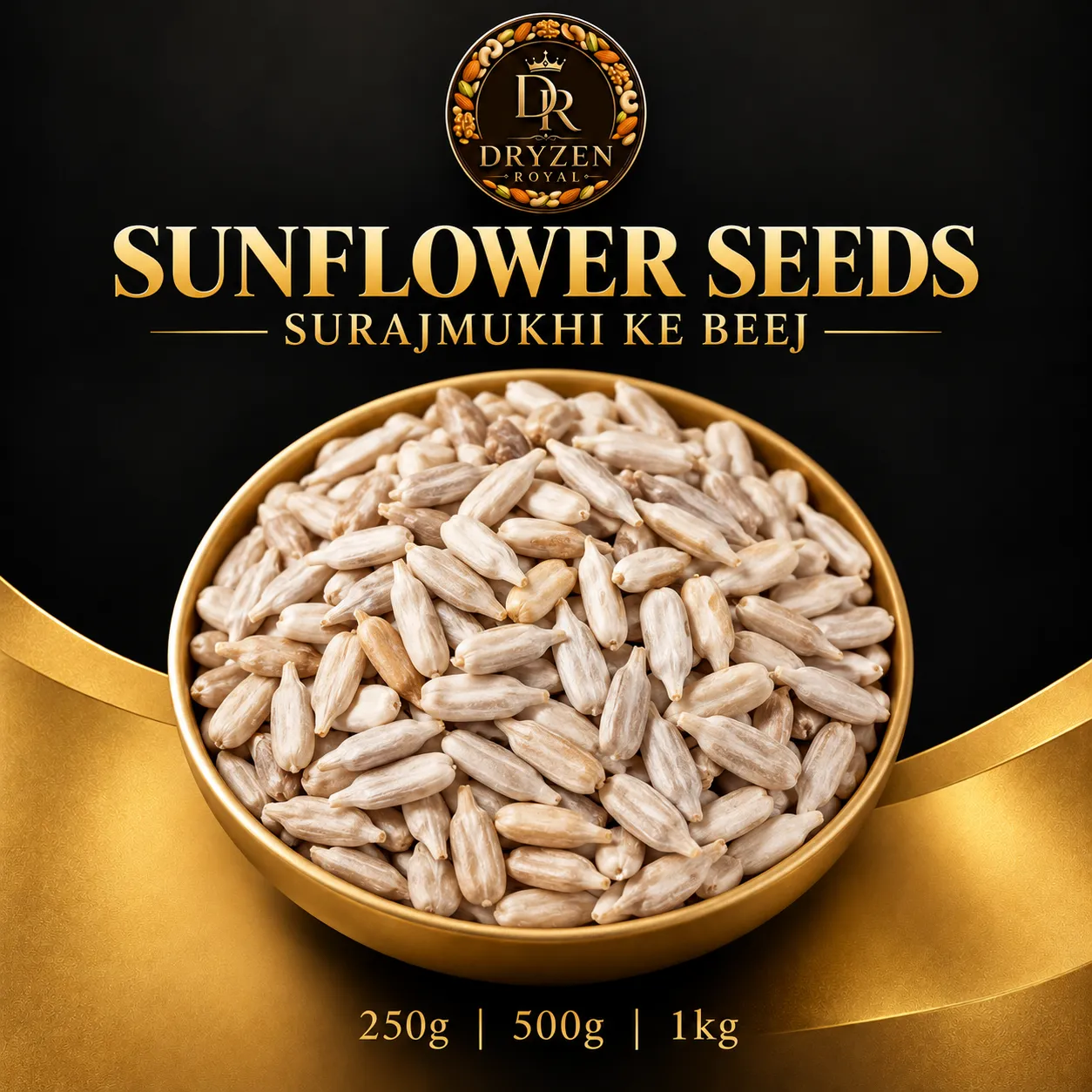
Explore Sunflower seeds at Dryzen Royal and choose edible kernels for fresh savoury finishes and everyday cooking.
No. This version is a loose chopped finish with visible herbs and seed pieces.
Zest adds aroma while keeping the mixture relatively dry. Juice changes it toward a dressing.
Add near serving. Long cooking dulls the fresh herbs and softens the seeds.
No. Keep this fresh herb mixture refrigerated and use promptly.
Questions about this article?
Email us and we will get back to you.
Explore more
