- 100% Natural
- Premium Quality
- No Preservatives
- Fresh & Healthy
Sunflower seeds are a nutrient-rich snack packed with vitamin E, healthy fats, plant-based protein, and essential minerals. Learn about their potential health benefits, raw versus roasted varieties, portion sizes, salted versus unsalted options, and simple ways to enjoy them in everyday meals.
Sunflower seeds are a simple, crunchy food that can add valuable nutrients to everyday meals. Often enjoyed as a snack, these small seeds contain vitamin E, healthy unsaturated fats, protein, and several minerals that support normal body functions. They can be eaten on their own, sprinkled over salads, mixed into breakfast bowls, or added to homemade snacks.
For people looking for alternatives to heavily salted packaged snacks, sunflower seeds can be a useful option. They are available raw, roasted, salted, and unsalted, making them easy to fit into different tastes and eating habits. However, their nutritional value depends partly on how they are prepared, how much you eat, and what else is included in your diet.
Understanding sunflower seeds nutrition can help you make better choices when buying and eating them. From their vitamin E content to their calorie density, portion sizes, and storage requirements, there are several practical details worth knowing before making them part of your regular routine.
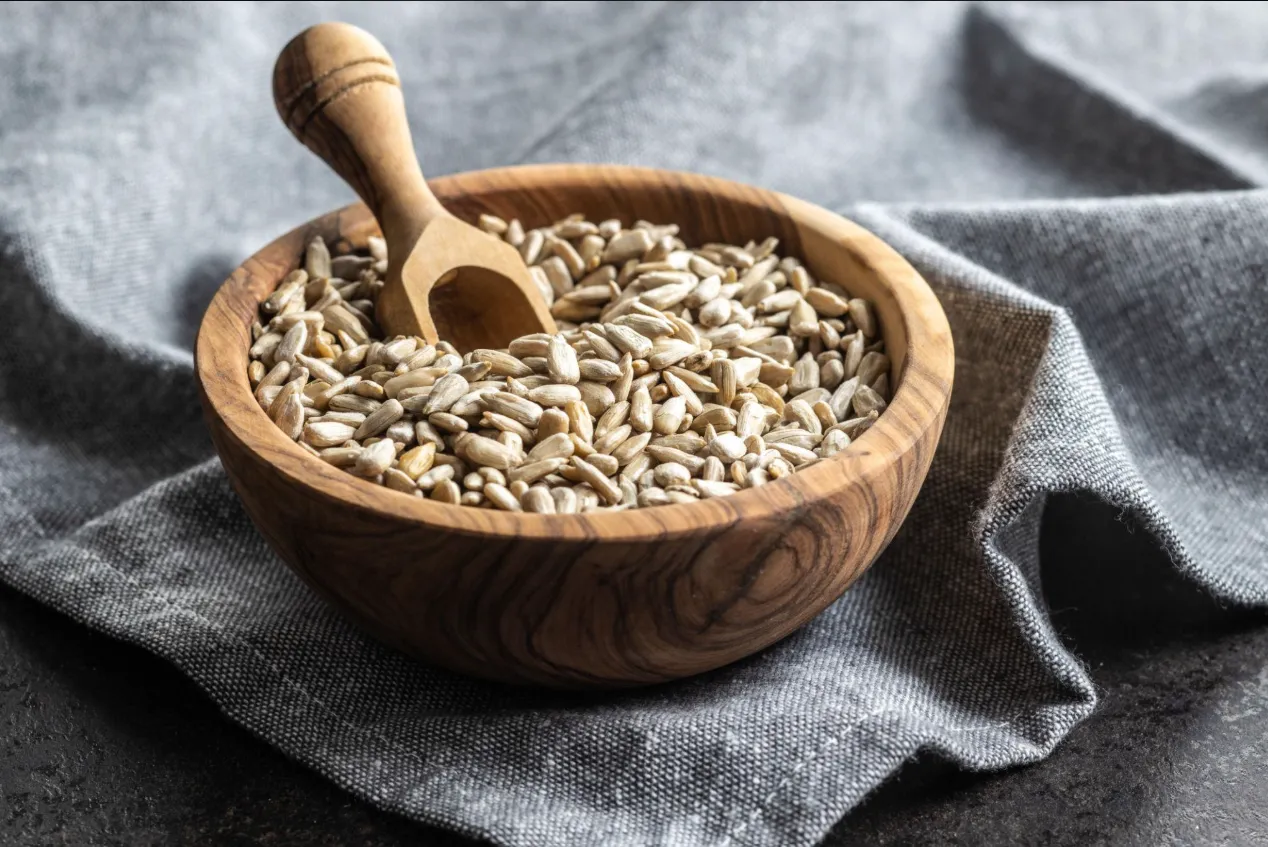
Sunflower seeds come from the sunflower plant, scientifically known as Helianthus annuus. The plant produces a large flower head containing many seeds, which are harvested, processed, and prepared for food or oil production.
The sunflower seeds sold for snacking are commonly available in two forms: seeds with their outer shells and kernels with the shells removed. Shelled kernels are convenient for cooking and eating because the edible portion is already exposed. Whole seeds with shells are often roasted and eaten by cracking the shell open, although the shell itself is generally not eaten.
Sunflower seeds have a mild, nutty flavor. Roasting can make their flavor more pronounced and give them a crisp texture. They are used in breakfast cereals, breads, granola, salads, trail mixes, and other foods.
Although sunflower seeds are small, they are energy-dense. This means they provide a considerable amount of energy in a relatively small serving. That can be helpful when looking for a nutrient-rich snack, but it also makes portion awareness important.
Sunflower seeds are not a complete replacement for a varied diet. Instead, they work best as one component of a balanced eating pattern that includes vegetables, fruits, whole grains, legumes, and other sources of protein and healthy fats.
Sunflower seeds contain a combination of fats, protein, carbohydrates, fiber, vitamins, and minerals. Their exact nutritional composition varies according to the variety, serving size, processing method, and whether the seeds are prepared with added oil or salt.
A commonly used serving is about one ounce, or 28 grams, of shelled sunflower seed kernels.
According to the National Institutes of Health Office of Dietary Supplements, one ounce of dry-roasted sunflower seeds provides approximately 7.4 milligrams of vitamin E, equivalent to about 49% of the adult Daily Value.
The following table provides a general overview of the nutrients found in sunflower seeds.
Nutrient | Why it matters |
|---|---|
Unsaturated fats | Provide energy and help support normal cell functions |
Protein | Helps build and maintain body tissues |
Dietary fiber | Supports digestive health and contributes to fullness |
Vitamin E | Helps protect cells from oxidative damage |
Magnesium | Supports muscle, nerve, and normal energy-related functions |
Phosphorus | Helps maintain bones and teeth and supports energy metabolism |
Copper | Supports normal connective tissue formation and iron metabolism |
Selenium | Supports antioxidant enzymes and normal thyroid function |
Nutrient quantities vary across products, so check the package label when comparing different brands or preparation methods.
Sunflower seeds contain predominantly unsaturated fats, including polyunsaturated and monounsaturated fatty acids. These fats contribute energy and are important components of cell membranes.
Replacing some foods high in saturated fat with foods containing unsaturated fats can support a heart-conscious eating pattern. However, the overall diet matters more than any single ingredient.
Sunflower seeds should therefore be viewed as one possible source of unsaturated fats rather than a food that independently prevents heart disease.
Sunflower seeds provide plant-based protein, which the body uses to build and repair tissues and produce important substances such as enzymes.
They can complement other protein sources, including beans, lentils, chickpeas, eggs, dairy products, fish, and meat. For people following vegetarian or plant-focused diets, sunflower seed kernels can add variety to meals.
A small serving will not provide all the protein needed for an entire meal, but it can contribute to daily intake.
Sunflower seed kernels contain dietary fiber, which supports digestive health and can help make meals more satisfying.
The amount of fiber you obtain depends on the serving size and product. Seeds with their shells should not be treated as equivalent to eating the kernels alone, because the shell is generally discarded.
If your usual diet is low in fiber, introduce additional fiber-rich foods gradually and drink enough water.
Sunflower seeds offer several nutritional advantages when eaten in reasonable portions as part of a varied diet. These benefits come from their nutrients, rather than from any special medicinal effect.
One of the best-known nutritional features of sunflower seeds is their vitamin E content.
Vitamin E is a fat-soluble nutrient that acts as an antioxidant. It helps protect cells against damage caused by free radicals and also plays roles in immune function and other normal biological processes.
An ounce of dry-roasted sunflower seeds provides about 7.4 milligrams of vitamin E. For adults, the recommended dietary allowance is generally 15 milligrams per day, so a serving can make a meaningful contribution.
Vitamin E is also found in almonds, vegetable oils, and some green leafy vegetables. Eating a variety of these foods can help support adequate intake.
Getting vitamin E from ordinary foods is different from taking high-dose supplements. Supplements are not automatically necessary just because a nutrient is beneficial, and excessive supplemental vitamin E can be harmful in certain circumstances.
Sunflower seeds contain unsaturated fats, which can be useful when they replace less nutritious sources of fat in meals.
For example, adding a small amount of sunflower seed kernels to a salad may provide crunch and flavor while contributing unsaturated fats. They can also be mixed into homemade whole-grain snacks instead of relying entirely on snacks that are high in refined carbohydrates or added salt.
Nevertheless, sunflower seeds should not be described as a treatment for high cholesterol or heart disease. Their role is best understood within the broader context of dietary choices, physical activity, smoking status, and other health factors.
Choosing unsalted varieties can also help people who are trying to reduce sodium intake.
Protein is needed for muscle maintenance, tissue repair, and many other functions throughout the body.
Sunflower seeds provide a convenient way to add plant-based protein to snacks and meals. Sprinkling kernels over oatmeal, yogurt, or a vegetable salad can increase the meal's protein content without requiring a complicated recipe.
For people who exercise regularly, sunflower seeds can complement a varied diet containing enough total protein. However, they should not be considered a complete post-workout meal on their own because they do not supply every nutrient needed for recovery.
Pairing them with other foods, such as yogurt, milk, eggs, beans, or whole grains, can create a more balanced snack or meal.
Magnesium is an essential mineral involved in numerous processes, including normal muscle and nerve function, energy production, and bone health.
Sunflower seeds contribute magnesium to the diet, although the quantity varies with the product and serving size.
Other sources include legumes, whole grains, nuts, and leafy green vegetables. Including several magnesium-containing foods is generally more useful than relying on one snack to meet your needs.
People with a diagnosed deficiency should follow advice from a qualified healthcare professional rather than attempting to treat the condition with sunflower seeds alone.
Sunflower seed kernels provide some dietary fiber, which contributes to normal digestion.
They can be combined with other fiber-containing foods, including oats, fruit, vegetables, beans, and whole grains. For example, adding kernels to oatmeal with fruit gives you a mixture of textures and nutrients.
Fiber intake should come from a variety of foods. Sunflower seeds can contribute, but they are not a substitute for eating enough vegetables, fruit, legumes, and whole grains.
The combination of fat, protein, and some fiber in sunflower seeds may help make a snack more satisfying than one consisting primarily of refined carbohydrates.
Their concentrated energy content can also be useful for people who need energy-dense foods. However, the same feature means that large handfuls can add up in calories quickly.
A measured serving alongside fruit or another whole food can be a practical option for people who want a balanced snack.
Feeling satisfied after eating varies between individuals, so sunflower seeds should not be presented as a guaranteed appetite-control solution.
Beyond vitamin E and magnesium, sunflower seeds contain other nutrients, including phosphorus, copper, and selenium.
These minerals contribute to various functions, such as maintaining bones, supporting normal metabolism, and helping the body produce antioxidant enzymes.
Their presence makes sunflower seeds a useful addition to a varied diet, but it does not mean that eating more seeds is always better. Nutritional needs differ according to age, overall diet, and individual health circumstances.
Sunflower seeds are available raw, dry-roasted, and oil-roasted. Each type can fit into a balanced diet, but preparation affects flavor and may affect the final nutritional composition.
Raw sunflower seeds have not undergone roasting. They generally have a mild flavor and can be added to smoothies, homemade granola, salads, or breakfast bowls.
Potential advantages include:
Raw seeds should still be purchased from reliable suppliers and stored properly. They are not automatically safer or more nutritious simply because they have not been roasted.
Dry-roasted sunflower seeds are heated without adding oil during roasting. The process gives them a firmer texture and a more pronounced nutty flavor.
They are convenient for snacking and can be used in salads, homemade snack mixes, and baked goods.
Check the label because dry-roasted products may still contain added salt, seasonings, or other ingredients. A dry-roasted label does not necessarily mean that the product is unsalted.
Oil-roasted seeds are prepared using added oil. Their final energy and fat content may differ from that of raw or dry-roasted products, depending on the amount of oil absorbed and the processing method.
These seeds may have a richer texture and flavor. If you prefer them, compare nutrition labels and choose a product that fits your dietary preferences.
For everyday use, unsalted raw or dry-roasted kernels are practical choices because they allow you to control how much salt and seasoning you add.
If you enjoy salted seeds, you can still include them in your diet. The key is to consider the sodium content and your overall eating pattern.
There is no universal rule that raw seeds are always healthier than roasted seeds. The best option depends on preparation, portion size, freshness, and personal preference.
There is no single serving size that is ideal for everyone. Your needs depend on your total calorie intake, activity level, dietary pattern, and individual health circumstances.
For many adults, approximately one ounce (28 grams) of shelled sunflower seeds is a useful reference portion. This is a portion guide, not a mandatory daily requirement.
Because sunflower seeds are energy-dense, eating several large handfuls can provide substantially more calories than expected. Measuring a serving into a small bowl can help you keep track of how much you eat.
Here are some practical approaches:
You do not need to eat sunflower seeds every day to benefit from their nutrients. Other seeds, legumes, vegetables, whole grains, and nuts can also contribute to a nutritious diet.
Children may need smaller portions, and whole seeds can pose a choking risk for very young children. Choose an age-appropriate form and follow pediatric guidance where necessary.
Sunflower seeds are versatile and do not require much preparation. In Pakistan, they can be included in familiar meals and simple homemade snacks without changing your entire eating routine.
Sprinkle sunflower seed kernels over oatmeal, porridge, or plain yogurt. You can combine them with banana slices, apples, or other fruit for extra flavor and variety.
They also work in homemade granola, especially when combined with oats and a modest amount of dried fruit.
Add a spoonful of kernels to a cucumber, tomato, carrot, or leafy green salad. Their mild nutty flavor provides contrast to fresh vegetables.
A simple dressing made with lemon juice and a little oil can complement the seeds without requiring a heavy sauce.
Combine sunflower seeds with roasted chickpeas, plain whole-grain cereal, or a small portion of dried fruit.
For a savory mix, try mild spices without relying on excessive salt. Prepare small batches so the ingredients remain fresh and crunchy.
A small amount of sunflower seed kernels can add texture to cooked vegetables, lentils, or grain-based dishes. Add them shortly before serving if you want to preserve their crunch.
They can also be incorporated into homemade bread or savory crackers, provided the recipe suits your dietary needs.
A small quantity of shelled kernels can be blended into a smoothie with milk or yogurt and fruit. Use a suitable blender and avoid adding so many seeds that the drink becomes unnecessarily calorie-dense.
If you have a seed allergy or follow a specific medical diet, check ingredients carefully before experimenting with new combinations.
Salted sunflower seeds are popular because salt enhances their flavor. However, frequent consumption of heavily salted snacks can contribute to excessive sodium intake.
The World Health Organization recommends that adults consume less than 2,000 milligrams of sodium per day, equivalent to less than 5 grams of salt. This recommendation covers sodium from the entire diet, not just snacks.
Unsalted sunflower seeds are a useful option for people who want greater control over their sodium intake. They can be seasoned at home with spices, herbs, black pepper, or a small amount of lemon juice.
When purchasing packaged seeds, look for the sodium amount on the nutrition label. Compare similar serving sizes because products can differ considerably.
People with high blood pressure or other conditions requiring sodium restriction should follow the advice provided by their healthcare professional.
Sunflower seeds can fit into a weight-management plan, but they do not directly cause weight loss.
Their combination of fat, protein, and fiber may help make a measured serving satisfying. At the same time, they are energy-dense, meaning that large portions can contribute substantial calories.
A practical approach is to use sunflower seeds as a replacement for a less nutritious snack rather than simply adding them on top of everything you already eat.
For example, a small portion of kernels paired with fruit may be more balanced than a snack made entirely of highly refined ingredients. The overall effect depends on your total food intake, activity level, and long-term habits.
No single food can guarantee weight loss or prevent weight gain. Consistent eating patterns, appropriate portions, physical activity, sleep, and other factors all contribute.
Sunflower seeds are suitable for many people, but there are a few precautions worth considering.
Some people may be allergic to sunflower seeds. Reactions can range from mild symptoms to severe allergic responses.
If you have previously experienced symptoms after eating sunflower seeds, avoid them until you have received appropriate medical advice. Seek emergency assistance if symptoms suggest a severe allergic reaction, such as difficulty breathing or swelling of the throat.
Eating large quantities at once may cause digestive discomfort in some individuals. The fat and fiber content, as well as individual tolerance, can influence how you feel after eating them.
Start with a modest serving if you are not accustomed to eating seeds regularly.
Salted sunflower seeds can contain significant amounts of sodium, depending on the brand and preparation method.
If you are monitoring sodium intake, compare labels and favor unsalted varieties more often.
Because sunflower seeds are energy-dense, portion size matters. Eating them straight from a large bag can make it difficult to judge how much you have consumed.
Dividing them into small servings is an easy way to manage portions without giving up the food.
People with kidney disease may need individualized guidance about certain minerals, including phosphorus and potassium, depending on their kidney function and treatment plan.
Sunflower seeds are not automatically prohibited for everyone with kidney disease, but anyone following a medically prescribed diet should check with their healthcare professional or registered dietitian.
Good storage helps preserve the flavor, texture, and quality of sunflower seeds. Their fat content makes them susceptible to becoming rancid when exposed to unfavorable conditions for extended periods.
Choose seeds from a reliable retailer and check the packaging for damage, moisture, or signs of contamination.
Keep these points in mind:
If buying from a shop that sells seeds in bulk, check whether the products are covered, handled hygienically, and protected from dust and moisture.
Once opened, transfer sunflower seed kernels to a clean, dry, airtight container. Keep the container away from direct sunlight, heat, and moisture.
In warmer climates, including many parts of Pakistan, refrigeration can help maintain quality, especially if you buy large quantities or plan to store the seeds for an extended period.
Allow chilled seeds to remain sealed while they adjust to room temperature if condensation is likely to form. Moisture can affect their texture and storage quality.
Discard seeds that smell like old oil, paint, or otherwise unpleasant rancid odors. Also discard any product showing visible mold or evidence of moisture damage.
Do not taste questionable seeds to decide whether they are safe. Proper packaging, clean storage, and buying quantities you can use within a reasonable period are better strategies.
Sunflower seeds can be included in a balanced diet, but eating them every day is not necessary. A modest portion provides vitamin E, unsaturated fats, protein, and minerals. Variety and overall dietary balance remain important.
Not necessarily. Both can be nutritious. Dry-roasted seeds may have a stronger flavor, while raw seeds work well in recipes. Compare ingredients, added salt, and preparation methods when choosing a product.
Yes. Sunflower seeds are a notable food source of vitamin E. One ounce of dry-roasted kernels provides approximately 7.4 milligrams, or about 49% of the adult Daily Value.
You can include them in a weight-management plan, but they do not independently cause weight loss. Their energy density makes portion control important, and they are most useful when incorporated into an overall balanced eating pattern.
Unsalted varieties make it easier to control sodium intake. Salted seeds can also fit into some diets, but it is useful to compare nutrition labels and consider how much salt you consume from other foods.
Keep them in an airtight container in a cool, dry, dark place. Refrigeration may help preserve quality in warm environments or during longer storage. Discard seeds that develop an unpleasant rancid odor or visible mold.
Sunflower seeds are a convenient, nutrient-rich food that can add flavor and texture to snacks, breakfasts, salads, and homemade recipes. They provide vitamin E, unsaturated fats, plant-based protein, fiber, and several minerals that contribute to normal body functions.
Choosing between raw, dry-roasted, and oil-roasted seeds largely comes down to taste, preparation, and the ingredients added during processing. Unsalted varieties are particularly useful when you want to manage sodium intake, while measured portions help keep their energy contribution in perspective.
For everyday eating, a small serving of shelled sunflower seeds can be a practical addition to a varied diet. Buy them from reliable sources, store them carefully, and combine them with other nutrient-rich foods rather than relying on any single ingredient for better health.
For more practical food and nutrition guides, explore Dryzen Royal. Readers interested in personal finance and everyday money decisions can also visit Finiuo, while Jurnza offers educational resources on legal and consumer topics.
The most useful nutrition habits are usually the ones you can maintain consistently. Sunflower seeds can be part of that routine, offering a simple way to add variety and valuable nutrients to everyday meals.
Sunflower seeds provide vitamin E, unsaturated fats, plant-based protein, and minerals such as magnesium and selenium. These nutrients support normal cell function, muscle function, and overall health when included in a balanced diet.
Both raw and roasted sunflower seeds can be nutritious. Dry-roasted seeds have a stronger flavor, while raw seeds work well in recipes. Choose products with minimal added salt and oil to suit your dietary needs.
An ounce (about 28 grams) of shelled sunflower seeds is a useful reference serving for many adults. The appropriate amount depends on your overall diet, energy needs, and individual health circumstances.
Questions about this article?
Email us and we will get back to you.
Explore more
