- 100% Natural
- Premium Quality
- No Preservatives
- Fresh & Healthy
Sunflower seeds are packed with vitamin E, healthy fats, protein, and important minerals. Discover their potential benefits, nutritional value, recommended portions, possible downsides, and easy ways to add them to a balanced diet.
Sunflower seeds may look like an ordinary snack, but these small seeds offer a surprisingly diverse range of nutrients. They contain vitamin E, protein, unsaturated fats, fiber, magnesium, and other minerals that contribute to normal body functions. They are also versatile enough to enjoy on their own or add to breakfast, salads, yogurt, and homemade snacks.
For people looking to improve their everyday eating habits, sunflower seeds can be a practical addition to a balanced diet. They provide nutrients that can be harder to obtain in sufficient amounts when meals lack variety, and their combination of fats, protein, and fiber can make a small serving satisfying.
However, sunflower seeds are not a miracle food. Eating large quantities will not automatically improve heart health, produce glowing skin, or cause weight loss. Their nutritional value depends partly on portion size, preparation method, and what else a person eats throughout the day.
Salted varieties also deserve attention because their sodium content can be considerably higher than that of unsalted seeds. People with certain medical conditions or food allergies may need additional precautions.
In this guide, we explore the main sunflower seeds benefits, their nutritional composition, practical serving sizes, potential drawbacks, and simple ways to incorporate them into everyday meals.
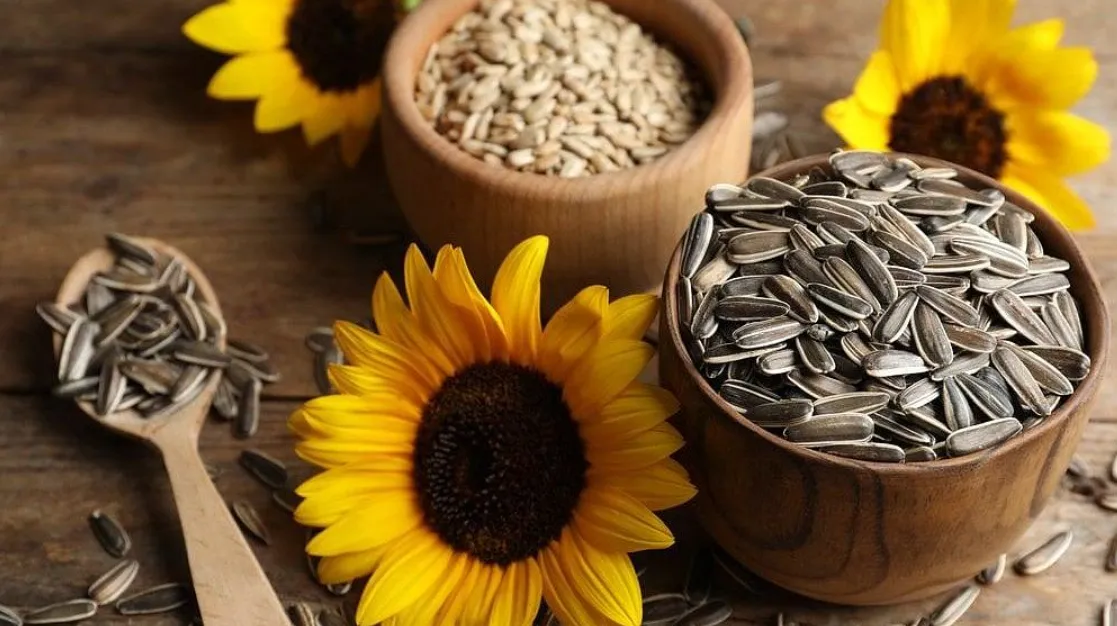
Sunflower seeds come from the sunflower plant, scientifically known as Helianthus annuus. The plant produces large flower heads containing many seeds, which are harvested, processed, and sold for eating, cooking, or producing sunflower oil.
Sunflower seeds are commonly available in several forms:
These forms are not nutritionally identical. Roasting can alter certain nutrient levels, while added salt increases sodium content. Flavored products may contain additional oils, seasonings, or other ingredients.
For everyday eating, plain or lightly roasted, unsalted kernels are a convenient option because they provide nutrients without adding much sodium.
It is also important to distinguish sunflower seeds from sunflower oil. Both come from the same plant, but whole seeds provide protein, fiber, and a broader range of nutrients. Sunflower oil is primarily a source of fat and does not provide the same nutritional profile as the whole seed.
Sunflower seeds are energy-dense, meaning they provide a substantial amount of energy in a relatively small serving. Much of that energy comes from fat, predominantly unsaturated fats.
A standard one-ounce serving of dry-roasted sunflower seed kernels, approximately 28 grams, provides the following approximate nutrients. Actual values vary by product and preparation method.
Nutrient | Approximate amount per 28 g |
|---|---|
Calories | 165 |
Protein | 5.5 g |
Total fat | 14.1 g |
Carbohydrates | 6.8 g |
Fiber | 2.6 g |
Vitamin E | 7.4 mg |
Magnesium | 37 mg |
Phosphorus | 327 mg |
Potassium | 241 mg |
Sodium | 116 mg in a salted variety |
These figures are representative values for dry-roasted, salted kernels; unsalted varieties contain much less sodium. <Cite refs={["turn148413search1","turn148413search4"]}/>
Vitamin E is one of the standout nutrients in sunflower seeds. It acts as an antioxidant, helping protect cells from damage caused by free radicals.
One ounce of dry-roasted sunflower seeds provides approximately 7.4 milligrams of vitamin E, close to half of the 15-milligram recommended daily amount for most adults. This makes sunflower seeds a useful food source of the vitamin. <Cite refs={["turn148413search1","turn148413search12"]}/>
Sunflower seeds contain polyunsaturated and monounsaturated fats. Replacing some saturated fats with unsaturated fats can support healthier blood cholesterol levels as part of an overall balanced eating pattern.
However, sunflower seeds are still calorie-dense. Their unsaturated fats are nutritionally valuable, but portion size matters.
Sunflower seeds provide plant-based protein, which the body uses to build and maintain tissues and produce enzymes and other essential substances.
They can complement protein sources such as beans, lentils, eggs, dairy products, fish, and other foods. However, a small handful alone is not a complete substitute for a balanced meal.
Sunflower seeds contain dietary fiber, which supports digestive health and contributes to a satisfying meal or snack.
A one-ounce serving provides a modest amount rather than the entire daily requirement. Combining the seeds with fruits, vegetables, whole grains, and legumes can help increase overall fiber intake.
Sunflower seeds also supply magnesium, phosphorus, copper, selenium, and other minerals. These nutrients support normal processes involving muscles, nerves, bones, energy metabolism, and antioxidant defenses.
The precise amount varies according to the seed variety and processing method. Sunflower seeds are best viewed as one useful contributor to a varied diet rather than a replacement for other nutritious foods.
Sunflower seeds offer several nutritional advantages. The strength of the evidence differs by benefit, and many of the benefits come from their nutrients rather than from a unique medicinal effect of the seeds themselves.
Vitamin E helps protect cells from oxidative damage and plays a role in normal immune function. Sunflower seeds are a particularly useful dietary source of this vitamin.
A diet containing adequate vitamin E helps the body maintain normal physiological processes. Sunflower seeds can contribute to that intake alongside almonds, vegetable oils, green vegetables, and other foods.
However, eating more vitamin E than the body needs does not automatically make the immune system stronger. A balanced diet, adequate sleep, physical activity, and appropriate medical care remain important.
Whole foods are generally a sensible place to start when improving nutrient intake. People should not assume that high-dose vitamin E supplements offer the same benefits as obtaining the vitamin from ordinary foods.
One of the most useful sunflower seeds benefits is their unsaturated fat content.
Replacing some foods high in saturated fat with foods containing unsaturated fats can help improve blood cholesterol levels. Sunflower seeds can contribute to this substitution when used in place of less nutritious snacks or ingredients.
For example, a person might sprinkle a measured amount of sunflower seeds over a salad instead of adding a large portion of a high-saturated-fat topping.
The benefit depends on the overall dietary pattern. Adding sunflower seeds on top of an already excessive calorie intake does not automatically improve heart health.
Salted seeds also require consideration. People trying to reduce sodium intake may prefer unsalted varieties, particularly if they regularly consume salty packaged snacks.
Sunflower seeds are therefore a useful food choice, not a treatment for high cholesterol, high blood pressure, or cardiovascular disease.
Sunflower seeds contain vitamin E, an antioxidant that helps protect cell membranes from oxidative damage.
Oxidative stress occurs when the production of reactive molecules exceeds the body's ability to manage them. Antioxidant nutrients participate in the body's protective systems, although the relationship between diet and long-term health is complex.
Eating sunflower seeds as part of a varied diet can help increase vitamin E intake. Other sources include nuts, vegetable oils, and some green vegetables. <Cite refs={["turn148413search1","turn148413search12"]}/>
It is important not to exaggerate this benefit. Sunflower seeds do not detoxify the body, prevent every chronic disease, or reverse existing cellular damage. Their contribution is nutritional rather than medicinal.
Magnesium is involved in hundreds of processes in the body, including normal muscle and nerve function, energy production, and the regulation of blood glucose.
Sunflower seeds provide magnesium, making them a useful addition to a diet that also includes legumes, whole grains, nuts, and vegetables.
However, they should not be treated as a remedy for muscle cramps or persistent weakness. Those symptoms can have many causes, and increasing magnesium intake may not address the underlying issue.
People with diagnosed mineral deficiencies should follow advice from a qualified healthcare professional rather than relying on sunflower seeds alone.
Protein is essential for maintaining muscle, repairing tissues, and supporting numerous bodily functions.
A one-ounce serving of sunflower seeds supplies around 5 grams of protein, depending on the product. This makes them a useful supplementary protein source, particularly for people who eat mostly plant-based foods.
Try combining sunflower seeds with oatmeal, plain yogurt, whole-grain toast, or a salad containing beans and vegetables.
The key is variety. Sunflower seeds can contribute to protein intake, but they should be combined with other foods to help meet overall nutritional needs.
Sunflower seeds contain fat, protein, and fiber. These nutrients can contribute to a snack that feels more substantial than one made primarily from refined carbohydrates.
For example, adding a small amount of sunflower seeds to yogurt or fruit can provide additional texture and nutrients.
This may be helpful for people who want a more balanced snack between meals. Still, appetite and fullness vary between individuals, and sunflower seeds do not guarantee that someone will feel full for a particular length of time.
Because they are energy-dense, it is useful to serve a portion rather than eating directly from a large packet without paying attention.
Vitamin E helps protect cells from oxidative damage, and adequate intake is important for normal skin function.
Sunflower seeds can contribute to vitamin E intake as part of a varied diet. Their fats also contribute energy and support the absorption of fat-soluble nutrients.
However, there is no good reason to expect sunflower seeds alone to clear acne, eliminate wrinkles, or cure skin conditions. Skin health is influenced by genetics, hormones, sun exposure, skincare habits, and numerous other factors.
For most people, the sensible approach is to eat a varied diet, protect skin from excessive sun exposure, and seek medical advice for persistent skin problems.
There is no single official daily serving requirement specifically for sunflower seeds. A practical portion for many adults is approximately one ounce, or 28–30 grams, of shelled kernels.
That amount provides nutrients while keeping the serving reasonably manageable in terms of calories.
A smaller portion of around one tablespoon can also work well when seeds are used as a topping rather than a standalone snack.
Your ideal serving depends on your overall diet, energy requirements, appetite, and medical circumstances. Someone who already eats a lot of nuts, seeds, and calorie-dense foods may prefer a smaller portion, while another person may comfortably include a measured handful.
The following table offers practical serving ideas.
Serving | Approximate amount | Practical use |
|---|---|---|
Small topping | 1 tablespoon | Oatmeal, yogurt, or salad |
Light snack | 15 g | A small portion between meals |
Standard portion | 28–30 g | A measured handful of kernels |
Larger serving | 45–60 g | Consider total calories and the rest of the diet |
These are portion examples, not medical prescriptions.
One common mistake is confusing shelled kernels with seeds still inside their shells. The weight of an in-shell serving includes material that is not eaten, so it is not directly comparable with the same weight of kernels.
For consistent tracking, measure the edible kernels.
You also do not need to eat sunflower seeds every day to benefit from their nutrients. They can be one of several foods in a varied diet, alongside other seeds, nuts, legumes, fruits, and vegetables.
The way sunflower seeds are prepared can affect their taste, texture, and nutritional profile.
Raw kernels are convenient for adding to breakfast, salads, homemade snack mixes, and other foods. They generally avoid the extra sodium associated with salted varieties.
Choose products from reputable sellers and store them properly to help maintain freshness.
Dry roasting provides a crisp texture and a stronger flavor without requiring added oil. Roasted seeds can be an easy alternative to heavily processed snacks.
Roasting can change the levels of some nutrients, so raw and roasted products may not have identical nutrition facts.
Oil-roasted varieties can be tasty, but added oil may change the calorie and fat content. Check the product label if you are monitoring your energy intake.
Salted seeds may contain considerably more sodium than unsalted versions. In one representative nutrition database entry, a one-ounce serving of salted, dry-roasted kernels contains approximately 116 milligrams of sodium, while an unsalted version contains very little. Exact amounts vary by brand and preparation. <Cite refs={["turn148413search4","turn148413search6"]}/>
Salted seeds are not automatically unhealthy, but frequent large servings can contribute to overall sodium intake. People with high blood pressure or medical conditions requiring sodium restriction may benefit from choosing unsalted products.
Best everyday option: Plain or lightly roasted, unsalted sunflower seeds are a practical default for many people.
Sunflower seeds do not require complicated recipes. Their mild, nutty flavor works in sweet and savory dishes.
Sprinkle a tablespoon over oatmeal, unsweetened cereal, or yogurt. They add crunch and nutrients without requiring much preparation.
You can also combine them with fruit and whole grains for a more varied breakfast.
Sunflower seeds provide texture in green salads, chopped vegetable salads, and grain-based salads.
A small measured serving can add crunch without relying on large amounts of cheese, croutons, or other toppings.
Combine sunflower seeds with a modest portion of raisins, other dried fruit, or unsweetened cereal. Keep the portion size in mind because the calories can add up quickly when several energy-dense ingredients are mixed together.
For more ideas involving dried fruit and everyday nutrition, explore Dryzen Royal.
Add sunflower seeds to roasted vegetables or cooked green beans just before serving. This creates a crunchy texture and adds flavor.
If you are preparing a dish for someone following a restricted diet, check whether seeds and their mineral content fit that person's nutritional recommendations.
Sunflower seeds can be blended into a smooth spread or used in homemade sauces. This can be useful for people who want alternatives to certain nut-based products.
However, sunflower seeds can still trigger allergies. They should not automatically be assumed safe for everyone with a nut or seed allergy.
Sunflower seeds can be mixed into bread dough or sprinkled over the surface before baking. They provide texture and can complement whole-grain recipes.
When trying a new recipe, start with a modest quantity so that the seeds complement rather than overwhelm the dish.
Sunflower seeds are nutritious for many people, but a few considerations are worth understanding.
Sunflower seeds are rich in fat, which provides more energy per gram than protein or carbohydrates.
A measured serving can fit comfortably into a balanced diet, but repeated large handfuls may add more calories than intended.
This is particularly relevant for people who snack while watching television or working, since it is easy to lose track of how much has been eaten.
Portioning seeds into a small bowl can help maintain awareness without requiring you to avoid them entirely.
Sodium is an essential nutrient, but consistently consuming too much can be a concern, especially for people with high blood pressure or certain kidney and heart conditions.
Choose unsalted or lower-sodium varieties if you need to manage sodium intake. Read the nutrition label rather than relying on terms such as "lightly salted," which may not have a consistent meaning across products.
People with chronic kidney disease may also need individualized guidance about sodium, phosphorus, potassium, and other nutrients. The appropriate diet depends on kidney function and treatment, so a healthcare professional or renal dietitian should guide significant dietary changes. <Cite refs={["turn148413search9"]}/>
Although sunflower seed allergy is not among the most commonly discussed food allergies, it can occur.
Symptoms may include itching, hives, swelling, digestive symptoms, or breathing difficulties. Anyone who suspects an allergy should stop eating the suspected food and seek appropriate medical advice.
Breathing difficulty, throat swelling, or other signs of a severe allergic reaction require emergency medical attention.
People with known seed allergies should follow guidance from their allergist rather than assuming that sunflower seeds are safe because they are plant-based.
Eating a large amount of seeds at once can cause digestive discomfort in some individuals, particularly if their usual diet contains little fiber.
Start with a modest serving and increase gradually if needed. Drink adequate fluids and maintain variety in your diet.
Persistent abdominal pain, vomiting, or other significant symptoms should not be dismissed as a normal response to eating seeds.
Sunflower seed shells are tough and fibrous. Swallowing large amounts of shells may cause digestive problems or, in unusual cases, contribute to intestinal blockage.
If you buy in-shell seeds, crack them open and eat the kernel rather than deliberately swallowing the shells.
Shelled kernels are often the simpler option for cooking, baking, and measuring portions.
Sunflower seeds provide vitamin E naturally, but that does not mean everyone needs vitamin E supplements.
High-dose supplements can have risks and may interact with certain medicines, including medications that affect blood clotting. People considering supplements should discuss their needs with a qualified healthcare professional.
For most people, the first step is to build a balanced eating pattern that includes several nutrient-rich foods rather than trying to obtain excessive amounts of a single vitamin.
Sunflower seeds can fit into a weight-management plan, but they do not directly cause fat loss.
Their protein, fat, and fiber content can contribute to a satisfying snack. Replacing a less nutritious snack with a measured serving of sunflower seeds may be a useful change for some people.
The distinction is between substitution and addition.
If you replace a snack that provides little nutritional value with a portion of sunflower seeds, you may improve the overall quality of your diet. If you simply add several handfuls of seeds to your existing daily intake, you increase your total energy consumption.
Neither the seeds nor any other individual food determines weight change on its own. Overall food intake, physical activity, sleep, medications, health conditions, and many other factors can influence body weight.
A practical strategy is to measure a serving, combine it with other nutritious foods, and pay attention to your overall eating pattern.
Sunflower seeds can be part of a heart-conscious diet because they contain unsaturated fats, vitamin E, and minerals.
Their unsaturated fats can be useful when they replace foods rich in saturated fat. Choosing unsalted varieties can also help people manage sodium intake.
However, it is important to distinguish nutritional support from a medical treatment. Eating sunflower seeds alone will not reliably lower blood pressure, eliminate cholesterol problems, or prevent heart disease.
People concerned about cardiovascular health should focus on the broader pattern of their diet, physical activity, smoking status, sleep, and other relevant risk factors. Medical conditions such as high blood pressure or elevated cholesterol may require professional assessment and treatment.
Sunflower seeds are one small piece of that bigger picture.
Freshness matters because sunflower seeds contain fats that can deteriorate over time.
When buying packaged seeds, check the ingredient list, nutrition label, packaging condition, and best-before date. Choose products from reputable retailers and avoid packages that are damaged or show signs of moisture.
Seeds should smell mild and nutty. A stale, bitter, or rancid odor can indicate that the fats have deteriorated.
Store sunflower seeds in an airtight container in a cool, dry place away from direct sunlight. For longer storage, refrigeration or freezing can help maintain quality, especially in warm environments.
In hot climates, such as parts of Pakistan, a cool storage location is particularly useful. If you buy seeds in bulk, keep the main supply sealed and transfer a small portion to a container for everyday use.
Do not store seeds while they are damp, and discard products that show signs of mold or unusual spoilage.
Good storage practices help preserve flavor and reduce waste, making your purchase more economical as well as more enjoyable.
Sunflower seeds are a convenient, nutrient-dense food that can contribute vitamin E, plant-based protein, unsaturated fats, fiber, magnesium, and other important nutrients to a balanced diet.
Their potential benefits include supporting normal immune function, contributing to antioxidant protection, providing nutrients involved in muscle and nerve function, and fitting into a heart-conscious eating pattern. They can also make breakfasts, salads, and snacks more varied and satisfying.
Still, sunflower seeds are not a cure for disease or a shortcut to weight loss. They are calorie-dense, and heavily salted varieties can contribute to sodium intake. Allergies, digestive sensitivity, and certain medical conditions may also affect whether or how much someone should eat.
For many adults, a measured portion of approximately 28–30 grams of shelled kernels is a practical starting point, although individual needs vary. Choosing unsalted varieties, storing seeds properly, and including them alongside other nutritious foods can help you make the most of their nutritional value.
The bottom line is simple: sunflower seeds can be a valuable addition to your diet when eaten in sensible portions. You do not need to consume large quantities or expect dramatic results. A consistent, varied eating pattern is far more important than relying on any single food.
Sunflower seeds provide vitamin E, unsaturated fats, protein, fiber, magnesium, and other minerals. They can contribute to normal immune function, antioxidant protection, and a balanced diet. Their benefits depend on overall eating habits and appropriate portion sizes.
A practical portion for many adults is around 28–30 grams of shelled sunflower seed kernels. A smaller serving may be sufficient when using them as a topping. Individual needs vary, so consider your overall diet, calorie requirements, and any medical dietary restrictions.
Unsalted sunflower seeds are generally a better everyday choice for people who want to limit sodium. Salted varieties still provide nutrients, but their sodium content can be considerably higher. Check the nutrition label and follow any sodium restrictions recommended by your healthcare professional.
Questions about this article?
Email us and we will get back to you.
Explore more
