- 100% Natural
- Premium Quality
- No Preservatives
- Fresh & Healthy
A meat-free home variation of thin topped flatbread, with chopped walnuts and a restrained vegetable mixture.
Walnut lahmacun is a meat-free home variation of a thin topped flatbread, with finely chopped akhrot, vegetables and a little cooked lentil. The topping is spread sparingly so the base can bake quickly in a hot oven. It is inspired by lahmacun-style serving rather than presented as an exact traditional meat recipe.
The useful skill is controlling both thickness and moisture. A thick wet topping leaves the centre soft before the edges are ready. Walnut lahmacun works best when the dough is rolled thinly and the topping is chopped finely enough to spread in a light continuous layer.
Allow twenty-five minutes of active preparation, about one hour for the dough rise and eight to twelve minutes per baking round. You need a bowl, rolling pin, processor or sharp knife and flat metal trays rated for the oven temperature.
The standard dough contains wheat and the topping contains walnuts. Check commercial tomato purée and spice labels as appropriate. A meat-free ingredient list does not establish an allergen-free dish. Keep the actual ingredients clear when serving guests.
Combine flour, yeast and salt, then add lukewarm water and oil. Mix and knead for eight to ten minutes until smooth and elastic. Add water a teaspoon at a time only if dry flour remains. The dough should be soft enough to roll without becoming a sticky batter.
Cover in a lightly oiled bowl and let rise until roughly doubled. Room temperature and yeast affect timing, so look at the dough rather than treating one hour as a deadline. Keep away from strong direct heat that dries the surface.
Finely chop onion, pepper and tomato, or pulse briefly in a processor. Stop before the mixture becomes a watery purée. Put in a sieve for a few minutes if a lot of free liquid appears.
Do not squeeze every bit of moisture out until the vegetables are dry fibres, but leave behind a visible pool. The topping needs enough moisture to spread and cook, not enough to flood the bread. A sharp knife gives good control for a small batch.
Pulse walnuts into small crumbs, keeping some texture and stopping before an oily paste forms. Mash cooked lentils lightly with a fork. Combine with drained vegetables, tomato purée, herbs and spices.
The mixture should spread thinly with the back of a spoon. Taste at this stage because the lentils are already cooked and no raw meat or egg is present. Use a clean spoon and adjust salt, pepper and optional chilli modestly.
Spread a teaspoon on a small dough scrap if you want to assess the bake before topping all four. If it releases a lot of water, drain or reduce the vegetable mixture appropriately. Do not solve every wet topping by adding more walnuts, which changes the balance.
Walnut lahmacun needs a fine light layer, not the depth of a pizza filling. Keep cheese out of the first version so you can judge the bread and vegetable topping clearly. A later cheese variation would be a different style and add another allergen.
Heat the oven to 240°C conventional or about 220°C fan, staying within the trays' ratings. Divide dough into four equal pieces and rest covered for ten minutes. Roll each into a thin round around 22 cm across.
If the dough springs back, pause rather than forcing it repeatedly. Use only enough flour to prevent sticking, brushing away excess. A thick dusting under the bread can burn on the tray and leave a dry floury taste.
Place a rolled base on suitable baking paper or the prepared tray, following the paper's temperature rating. Spread one-quarter of the topping thinly almost to the edge. Avoid a large mound in the centre.
Keep the topping thickness reasonably even. A small bare patch is less problematic than a wet heap. Walnut lahmacun should remain thin enough to fold loosely after baking, though the exact crispness depends on your oven and base thickness.
Bake for eight to twelve minutes, checking earlier if the base is very thin. The edges should colour, the topping should look cooked and the underside should be dry and lightly browned. A pale wet centre needs more time or a thinner topping next batch.
Rotate once if the oven has a strong hot spot. Do not open repeatedly in the first few minutes. A fully heated oven is important for a quick thin bake; placing the tray in a cool oven gives a different result.
Slide onto a board and serve promptly with lemon wedges, parsley and a small salad. A squeeze of lemon can brighten the topping, but add to individual portions so unused bread does not become wet.
Walnut lahmacun can be folded loosely around fresh salad if the base is flexible. If your oven makes it crisper, serve in wedges instead of forcing a roll that cracks. Both are practical home presentations.
The topping can be prepared earlier on the same day and refrigerated in a covered container. Stir and drain any new free liquid before spreading. Keep dough under an appropriate refrigerated method if preparing farther ahead; do not leave this warm-rise formula out overnight in hot weather.
For a gathering, roll and top in short batches so a wet mixture does not sit on raw dough for a long time. Have the salad and plates ready before baking. The flatbreads are best served within a short window.
Refrigerate cooked leftovers promptly and use within two days as a conservative household plan. Reheat in a pan or oven until thoroughly hot, using 74°C as a useful centre check for reheated food. A microwave is convenient but softens the base.
Freeze cooled flatbreads with suitable separation if needed, then reheat according to their thickness and your equipment. Avoid repeated thawing and reheating of the whole stack. Take out only the amount required.
Walnut lahmacun becomes dependable when vegetables are finely chopped and drained, dough is thin and the oven is fully heated. This thin flatbread rewards that preparation more than an extra-thick topping or a promise that every home oven produces the same crust.
For a loose pasta sauce rather than a thin bread topping, explore walnut lentil bolognese. Use scaling measured ingredients before increasing the dough batch.
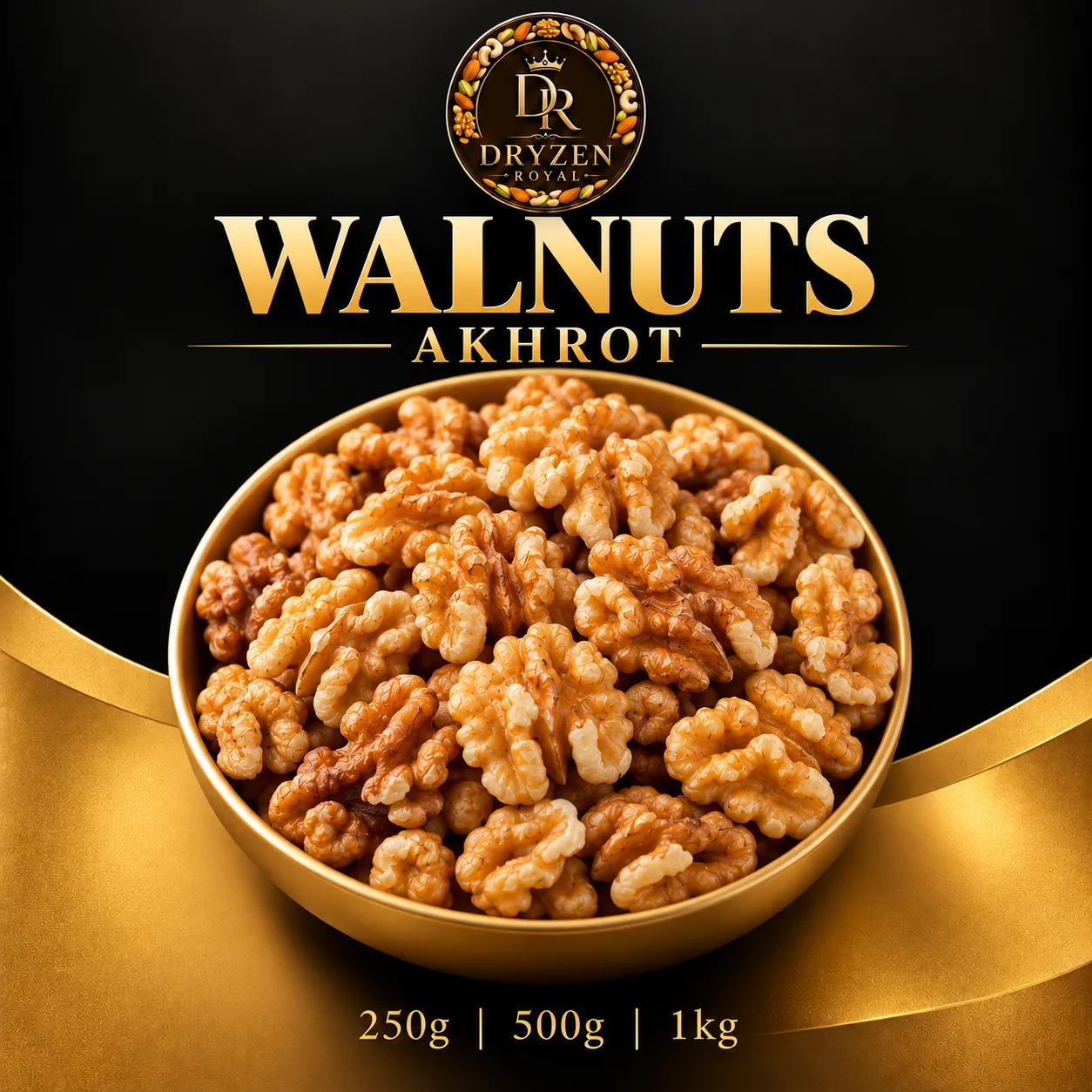
Explore Walnuts at Dryzen Royal and choose akhrot for savoury breads and carefully measured vegetable dishes.
No. It is a meat-free home variation with walnuts, vegetables and cooked lentils.
No. A thin even layer helps the base cook before the centre becomes wet.
Serve in wedges. Do not force a brittle flatbread around a filling.
Avoid that. Keep components separate and top in short batches near baking.
Questions about this article?
Email us and we will get back to you.
Explore more
