- 100% Natural
- Premium Quality
- No Preservatives
- Fresh & Healthy
Turn walnut kernels into a versatile herb sauce with a small-batch method, flexible flavour options and practical tips for serving and storage.
Walnut pesto turns akhrot kernels, fresh herbs and a little oil into a spoonable sauce for everyday meals. It works as a pasta coating, a sandwich spread or a finishing spoonful over vegetables. The key is to balance the nuts with enough herbs and acidity, then adjust the texture for the food you are serving.
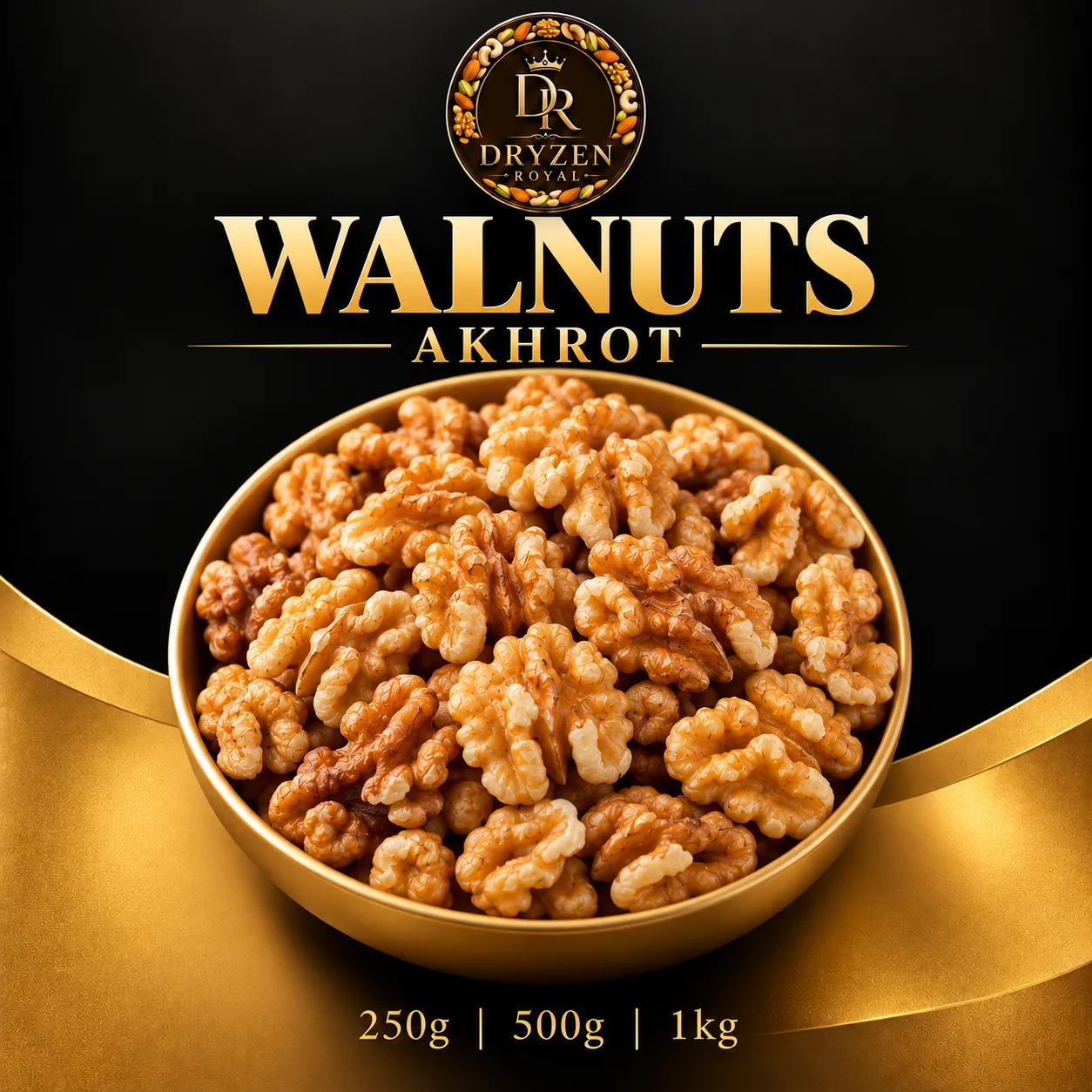
Walnuts give this sauce their own earthy flavour and a slightly textured finish. They replace the pine nuts commonly associated with basil pesto, but the result should still taste fresh and herbal. California Walnuts also includes a walnut-based pesto recipe in its cooking collection.
The version below is a flexible home preparation. Basil gives a familiar pesto direction; coriander with a little mint creates a different herb sauce suited to wraps and grilled vegetables. Those alternatives change the flavour, so choose the herbs intentionally instead of expecting identical results.
Start with less garlic if yours is particularly strong. Cheese adds salt and savouriness, so leave the final salt adjustment until after blending. If you need a vegetarian version, check the cheese label for suitable rennet; if omitting dairy, simply leave the cheese out and taste again.
Use kernels rather than the weight of whole in-shell walnuts. Halves and smaller pieces both work because the processor breaks them down. The Dryzen Royal walnut listing provides current product options; confirm the selected form and weight before buying.
A mortar and pestle also works for a small batch. Crush the garlic with a little salt, work in the nuts, add the herbs gradually and then loosen with oil and lemon. The result will be less uniform, which can be appealing on bread or roasted vegetables.
Optional light toasting adds a more pronounced nut flavour. If you toast the walnuts, watch them carefully in a dry pan over gentle heat, move them frequently and let them cool before blending with the herbs. Skip this step when you want a milder result.
For pasta, put a spoonful of walnut pesto in a bowl and loosen it with a little warm pasta cooking water. Toss with the drained pasta off the heat, adding more sauce only as needed. This distributes the pesto more evenly than dropping a thick lump into the middle of the plate.
For sandwiches, keep it thicker so it does not soak into the bread immediately. Spread a thin layer, then add your preferred cooked vegetables or other filling. For a vegetable platter, loosen a small serving separately with a little water or lemon juice rather than thinning the whole batch.
The same sauce can finish a bowl of lentils or beans. Add it at serving time so the herb flavour stays distinct. Remember that the amount needed is a flavour choice, not a fixed nutritional serving recommendation.
If the sauce tastes too sharp, add a few more walnuts or a little oil. If it feels heavy, try a few drops of lemon juice and another handful of herbs. If the garlic dominates, dilute it with more of the other ingredients; extra salt will not remove a strong garlic flavour.
Some earthy bitterness is part of walnut flavour, but a rancid or otherwise abnormal smell is a reason to discard the nuts. Do not try to cover spoiled ingredients with cheese, garlic or lemon. Check the walnuts before processing so you do not lose a whole batch of sauce.
For a rougher pesto, use short pulses and stop early. For a smoother sauce, scrape the bowl more often and add oil gradually. A very large blender may need a bigger batch to reach the blades, so a small processor is often more convenient.
Herb bunches differ in strength, and a loosely filled cup can contain far less than a tightly packed one. Weighing the leaves and kernels makes it easier to repeat a favourite batch. Note whether you used toasted or untoasted nuts, which herbs you chose and whether cheese was included. When scaling walnut pesto for guests, make the sauce in manageable batches rather than filling a small processor beyond its recommended capacity.
Transfer unused sauce promptly to a clean covered container in the refrigerator and make small batches for near-term use. Freeze extra portions if needed. Fresh herbs and garlic in oil do not make a shelf-stable pantry product; an oil layer is not a substitute for refrigeration.
Use clean utensils each time and keep the portion going to the table separate from the stored batch. For general refrigeration and leftover handling, see Health Canada's food safety guidance. Do not leave a prepared sauce sitting out throughout a long gathering.
This recipe contains walnuts and, when included, milk from cheese. Check with the people eating it before serving. For another way to use nuts in the kitchen, read our nut chopping guide. Keep your first walnut pesto simple, note the herb balance you enjoy and adjust the next batch to suit your meals.
Yes. Omit the cheese and adjust the seasoning after blending. The result will have a different savoury balance; check every ingredient if you need a dairy-free meal.
Yes, but it creates a different herb flavour. Use coriander as the main herb and add mint sparingly if you enjoy it.
For pasta, try loosening the pesto with a little warm pasta water and tossing it with the pasta off the heat. This helps distribute the sauce without prolonged cooking.
Questions about this article?
Email us and we will get back to you.
Explore more
