- 100% Natural
- Premium Quality
- No Preservatives
- Fresh & Healthy
Blend almond gazpacho with cucumber, bread and measured badam. Learn soaking, smooth blending and chilled serving tips for a light savoury soup.
Almond gazpacho is a chilled savoury soup built from plain almonds, cucumber and a small amount of bread. This white version is an adaptation inspired by almond-based Spanish soups rather than a red tomato gazpacho. Its body comes from blending, not simmering cream.
Use fresh sound cucumber and clean equipment. Because the soup is served cold, refrigeration is part of the preparation plan, not an optional finishing detail.
Allow twenty minutes to prepare, plus almond softening and chilling time.
Read the bread label for additional ingredients. The recipe is not automatically free of dairy or other allergens simply because it looks pale and simple.
Cover the kernels with drinking water in the refrigerator until softened enough for your equipment, then drain. Follow suitable cold handling rather than leaving soaked nuts in a hot kitchen.
Our almond preparation comparison explains the skin difference. Blanching and roasting are separate details.
Do not return soaked nuts to the dry pack. Measure the recipe portion before introducing water.
Chop cucumber and tear bread into small pieces. Put almonds, bread and part of the measured water in the blender.
Blend with equipment suited to nuts, stopping to scrape with the machine off. Add cucumber, garlic and the remaining water gradually.
Aim for a smooth spoonable soup, not a thick spread or a very dilute drink. Some home machines leave a little grain; strain if that is your preference.
Blend in olive oil, the initial lemon and salt. Begin with modest garlic because raw garlic can dominate after standing.
Transfer to a clean covered container and refrigerate until thoroughly cold. Stir before serving because the mixture may settle.
Taste a small chilled portion before adjusting. A warm blending sample can lead you to over-season what will be eaten cold.
For a finer finish, use a suitable sieve and press gently. Do not force every coarse particle through if smoothness is the aim.
If too thick, add chilled drinking water a tablespoon at a time. If too thin, avoid dumping dry breadcrumbs into the serving jug; test a small separate portion first.
Pour into chilled or room-temperature bowls and add a few tiny cucumber cubes if desired. A light oil drizzle is optional rather than required.
Keep the reserve refrigerated instead of placing the whole jug on a warm table. Use clean serving utensils and avoid returning tasted portions.
For another almond preparation with a warm texture, our almond breadcrumb topping can accompany suitable cooked dishes. It is not needed in this cold soup.
If garlic dominates, reduce it on the next batch rather than adding more oil automatically. If the soup is bitter, check almond condition and cucumber quality.
Refrigerate promptly at 4°C or below and make a modest amount for near-term use. Freezing can change texture, so test a small portion before freezing a full batch.
Identify almonds and wheat, plus the bread’s other ingredients, when sharing. Avoid medical or detox claims; the appeal is a practical chilled soup with a nutty flavour.
Begin with a clear working space. Check almond preparation and remove any hard fragments before soaking or blending. Set the measured ingredients beside the equipment before heating anything, and keep the original packs outside the wet preparation area. This makes it easier to distinguish a measured recipe portion from the unused reserve.
Prepare the cucumber and bread while the almonds soften, then drain only the soaking liquid. Keep a short written order of tasks if several components are involved. A bowl that is ready early can be covered or chilled as appropriate while another stage finishes. Avoid leaving perishable ingredients on a warm counter simply because the next step is not ready.
Taste the chilled soup before deciding it needs more salt or lemon. Assess a small prepared sample before changing the whole batch. Record the original quantity and the adjustment so a successful result can be repeated. Changing several ingredients at once makes it harder to identify what improved the texture or flavour.
Pour small servings and keep the main covered jug refrigerated until the next round. Bring out a manageable serving amount and keep the reserve protected. Use clean utensils for the finished food and retain the source ingredient information for anyone sharing it. Packaging and storage should match the prepared dish, rather than the dry ingredient from which it began.
Pour a small sample into one bowl and let it reach the intended serving temperature. Stir before tasting because a blended soup may settle. Add a few drops of lemon to only that sample if you want to compare acidity, then decide whether the main container needs the same adjustment.
A small cup can work as an accompaniment when a full bowl feels too rich. Changing serving size is often simpler than heavily diluting the recipe. Keep the remaining soup covered and cold while the first portions are eaten.
If using bread from a different loaf, note its type and weight after crust removal. Dense bread and a very airy slice do not absorb identically. Weighing the prepared ingredient and adding water gradually makes the method easier to repeat.
Prepare the garnish before the soup leaves refrigeration so the final serving step stays brief.
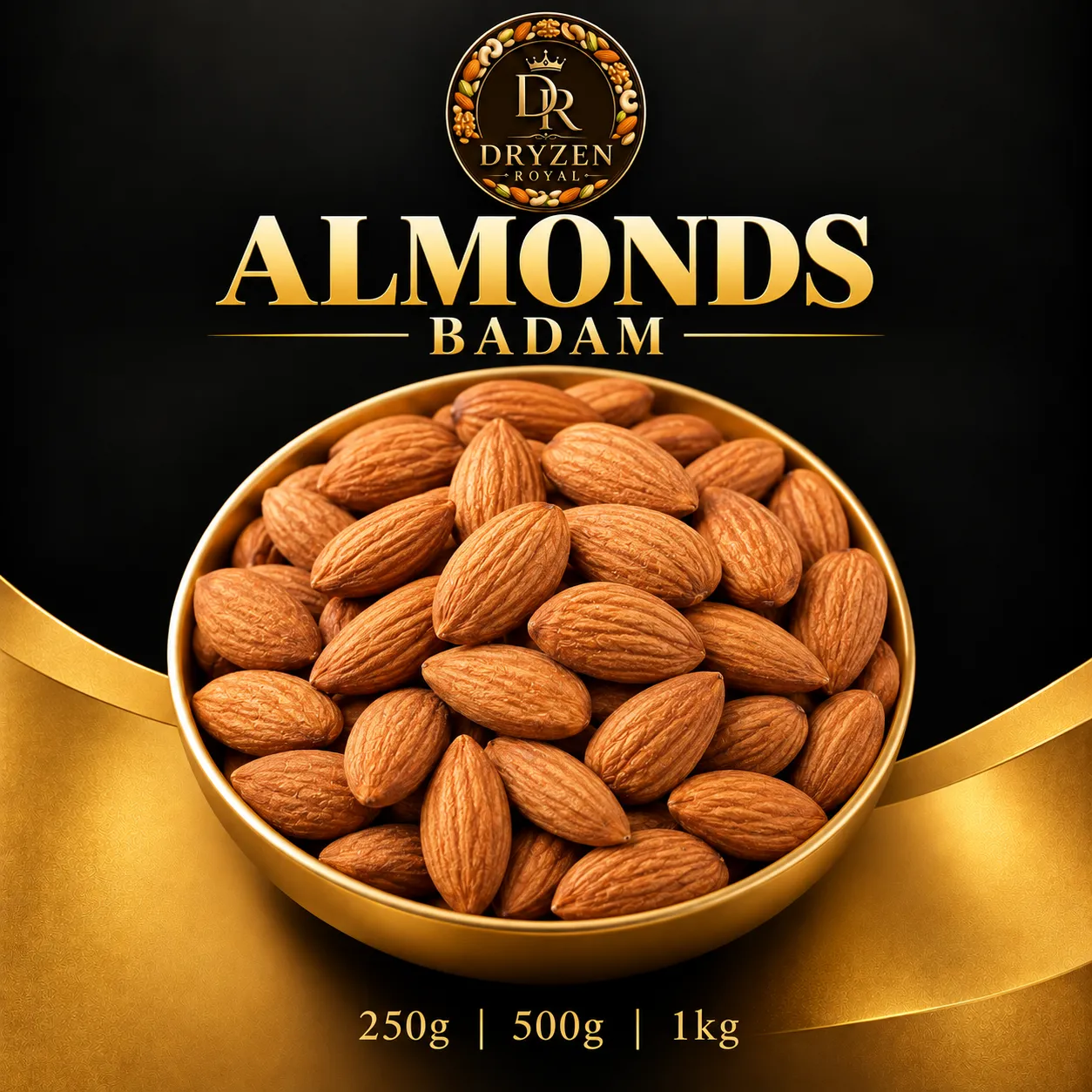
Explore Premium Almonds Dryzen Royal when planning almond gazpacho. Check the current preparation and pack information, choose the quantity your recipe needs, and keep the remaining dry ingredients stored as directed.
No. It is a white almond-based adaptation with cucumber and bread.
They can change colour and texture. Blanched plain kernels are easier for a smooth pale version.
No. Prepare with cool ingredients and refrigerate promptly in a covered container.
Add small amounts and note them. Too much can dilute the seasoning and body.
Questions about this article?
Email us and we will get back to you.
Explore more
