- 100% Natural
- Premium Quality
- No Preservatives
- Fresh & Healthy
A flexible basmati side dish with lightly toasted almonds, simple spices and clear guidance for keeping the grains separate and the garnish crisp.
Almond rice pairs soft basmati grains with the crunch of badam. It can sit beside a vegetable curry, lentils or a family meal without needing a long list of ingredients. Cook the rice using the method that suits your particular packet, prepare the almonds separately and bring them together just before serving.
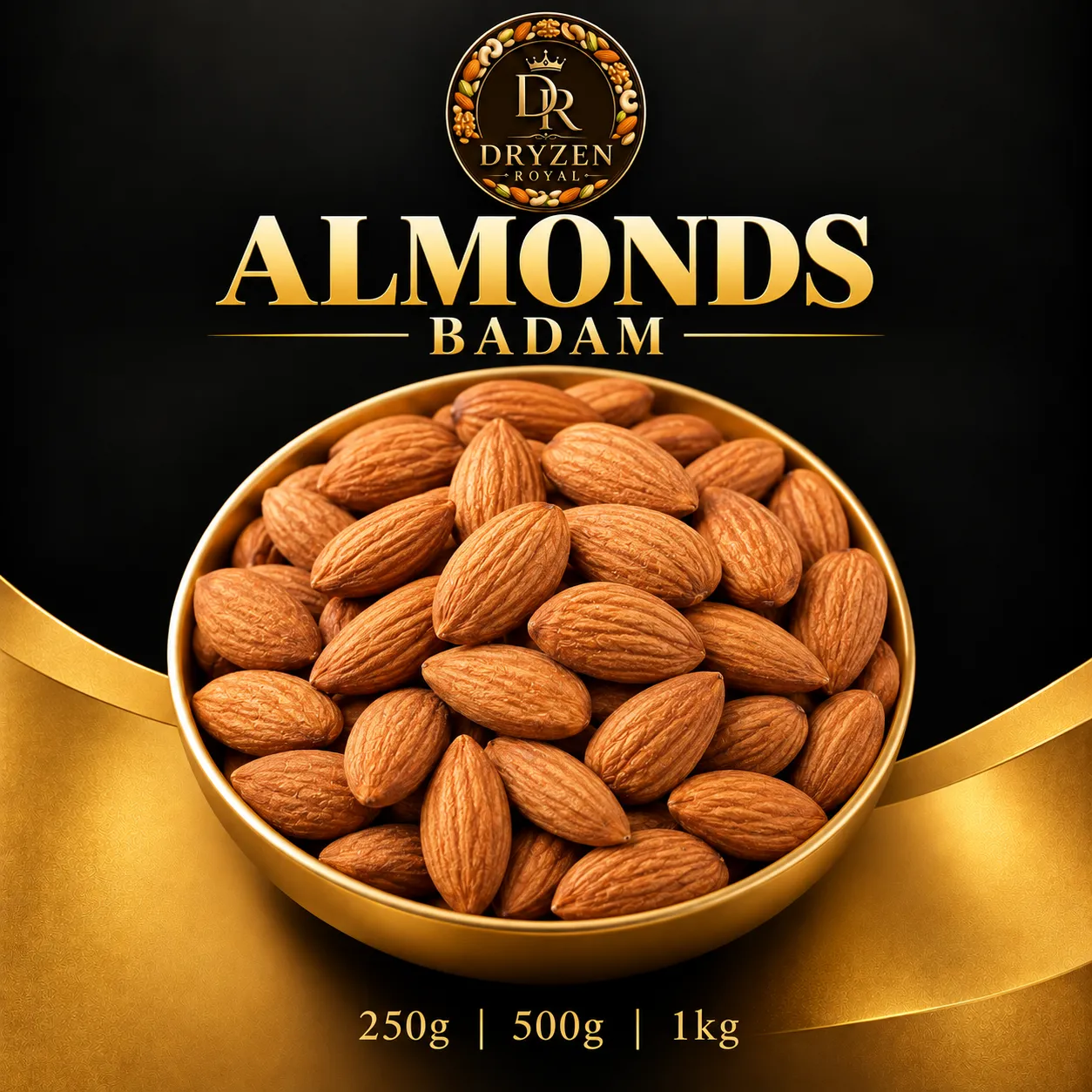
A simple savoury version needs only rice, almonds, oil or ghee and salt. Cumin, cardamom or a little softened onion can add another layer of flavour. Raisins create sweet contrasts, but they are optional; leave them out when serving with a dish that already has a sweet sauce.
This is a badam and basmati side dish rather than a claim to one specific regional pulao tradition. You can keep it restrained for a strongly spiced main course or build a more aromatic version for a simpler meal. Decide on that direction before adding every spice in the cupboard.
Serving size depends on the rest of the meal and your guests' appetites. These quantities are a cooking example, not a dietary prescription. If you double the recipe, check the pot size and your usual rice method rather than automatically doubling every cooking time.
Whole almonds with their skins give a brown-speckled garnish. Blanched slivers look paler, while thin slices feel more delicate. Our sliced versus slivered almonds guide explains the cuts. You can also use carefully chopped whole nuts; perfectly matching shapes are not essential for a home meal.
Rinse and, if directed, soak the rice according to its packet or a method you already trust. Different basmati brands and rice ages can need different amounts of water. A universal ratio can give a poor result when the packet is intended for another technique.
Cook the rice with the recommended water and a little salt. If using cardamom, add the pods during cooking and remove them before serving, or tell diners they are present. Once the rice is cooked, allow the covered rest recommended by your method, then loosen the grains gently with a fork.
Avoid vigorous stirring while the grains are soft. If the rice is already clumping, repeated mixing may break it further. The almonds cannot correct overcooked rice, so getting this base right makes the biggest difference to the dish.
Warm a small dry pan over a gentle to medium-low heat. Add the almonds in a single layer and stir or shake frequently until they smell lightly toasted and show some golden colour. Remove them to a plate promptly because they can continue darkening in the hot pan.
Thin almond slices toast faster than thick pieces. Stay by the pan and use colour and aroma as your main cues rather than relying on a fixed number of minutes. If some pieces burn, discard those pieces instead of mixing their bitter flavour through the topping.
In the same pan, warm the oil or ghee. If using onion, cook it gently until softened and lightly golden. Add optional cumin and let it become fragrant without scorching. Stir in optional raisins briefly, then turn off the heat. Keep most of the toasted almonds aside until the final assembly.
Fold the onion, cumin and raisin mixture gently through the cooked basmati. Add about half the almonds, reserving the rest for the surface. Taste a small spoonful and adjust the seasoning if needed. Transfer to a serving bowl and finish with the reserved nuts.
Adding the topping at the end keeps its texture more noticeable. Nuts left inside a moist pot for a long time will soften. If the meal has several dishes, prepare the topping first and add it when the rice is ready to leave the kitchen.
For a family-style table, serve almond rice beside dal, a vegetable curry or your preferred main. Keep additional gravy in its own bowl so everyone can decide how much to add. A lightly seasoned rice dish is often easier to pair than one competing with every flavour on the table.
For a more citrus-led version, fold in a little finely grated lemon zest after cooking. For a herb finish, add a small amount of chopped coriander just before serving. For a simpler nut-focused plate, omit the onion, raisins and cardamom and let the toasted badam carry the garnish.
If replacing ghee with oil, the dish loses the ghee flavour but the method still works. Check other ingredients before describing a meal as suitable for a particular diet. Almonds remain present even when the rice itself is plain, so tell guests about the nuts.
Read the rice packet before starting so the soaking, cooking and resting stages fit your meal. Chop the nuts while the rice is soaking, then prepare the topping while it cooks. Keep serving utensils ready and bring the bowls to the table together. This sequence reduces the temptation to leave finished almond rice standing while the rest of dinner catches up.
Serve freshly cooked rice promptly. If saving some, divide it into shallow portions and cool it quickly, ideally within one hour, then refrigerate. Use within 24 hours, reheat only once and make sure it is steaming hot throughout. These steps follow the Food Standards Agency's rice guidance.
Do not leave a large pot on the counter for the evening before putting it away. Store unused toasted nuts separately according to their package instructions and add them after reheating the rice for a fresher texture.
Explore Dryzen Royal almonds for current pack choices. With the rice properly cooked and the topping added at the right moment, almond rice is an adaptable side you can keep simple or dress up for guests.
Yes. Carefully chop the almonds into manageable pieces before toasting. Thin slices and slivers give a different, more delicate texture.
For a more noticeable crunch, toast the almonds separately and fold them in near serving time. Reserve some for the top.
No. They add sweet contrasts, but you can leave them out for an entirely savoury side dish.
Questions about this article?
Email us and we will get back to you.
Explore more
