- 100% Natural
- Premium Quality
- No Preservatives
- Fresh & Healthy
A coarse fresh relish with small dried-apricot pieces, tomato, onion and lime, served shortly after mixing.
Apricot salsa combines small pieces of softened dried khubani with fresh tomato, onion and lime. It is a coarse relish rather than a blended sauce, and the fruit adds a sweet-tangy note in small bites. Serve it beside grilled vegetables, a bean bowl or safely cooked chicken.
The main preparation task is balancing moisture. Dried apricots need enough softening to be pleasant, while tomatoes should not leave the bowl swimming in juice. Apricot salsa is most enjoyable freshly mixed, when the vegetables are crisp and the lime still tastes clear.
This recipe makes roughly 350 g, enough for four modest side portions. Allow twenty minutes, plus a short softening step if the fruit is firm. You need a sharp knife, board, sieve and bowl. A blender is unnecessary because visible pieces are part of the intended texture.
Choose tomatoes that are ripe but still hold their shape. Very soft fruit can make the relish loose. The chilli is optional, not essential to the recipe's identity. Keep the first batch mild if you are serving people with different preferences, then offer extra heat separately.
Open the apricots and check for hard stone fragments. If pliable, cut them directly. If firm, cover with warm water for about ten minutes, then drain and pat dry. The goal is a flexible piece, not a waterlogged fruit that releases liquid when pressed.
Cut into small cubes around 3–4 mm. Large strips can pull out of a spoonful and dominate the bite. Use a stable board and take time with sticky fruit. Clean kitchen scissors can be an option for a small quantity, provided every hard fragment has already been removed.
Cut tomatoes into quarters and remove the tough stem area. If the seed cavities are very watery, scoop out some loose juice and seeds, then chop the flesh into small even pieces. You do not need to remove every seed from a firm tomato.
Put chopped tomato in a sieve briefly while preparing the onion. This is a draining step, not a long salting stage. Too much salt early can draw out more liquid than you want. Add final seasoning after the components are together.
Dice onion smaller than the tomato so raw pieces do not overwhelm the fruit. If particularly sharp, rinse briefly in cold drinking water, drain and pat dry. Wet onion defeats the care taken to drain the tomatoes.
Chop optional chilli finely and use appropriate care to avoid touching eyes afterward. Removing seeds may reduce some heat, but the flesh can still be strong. Add a little first and taste the finished relish before deciding whether the full chilli belongs in the bowl.
Combine apricots, tomatoes and onion. Add one tablespoon lime juice, coriander and optional oil. Toss gently rather than crushing. Leave for five minutes, then taste a small portion with a clean spoon.
Add salt, pepper and a little more lime only if needed. Different dried apricots vary in sweetness and tang, so the same fruit weight does not guarantee identical flavour. Apricot salsa should taste balanced beside food, not simply as sharp as possible from the spoon.
Put a small spoonful on a piece of cooked potato, a bean or a tortilla chip if suitable. The balance may seem different than when tasted alone. A sweet note that seems strong by itself can work well against plain savoury food.
If too sweet, a little extra lime or tomato may help. If too sharp, add a little more prepared tomato or reduce lime next time. Do not automatically add sugar, because the fruit already contributes sweetness. Record any meaningful adjustment.
Do not blend to fix uneven chopping. A purée becomes a different condiment and may feel heavier. If one piece is too large, remove and chop it. A few natural variations are fine, but the average piece should remain easy to pick up with the main food.
Apricot salsa should not sit under a thick layer of oil. The optional teaspoon simply rounds the flavour. More oil does not remove excess water or correct too much lime. Treat consistency and flavour as separate adjustments.
Offer apricot salsa beside roasted vegetables, lentil patties or safely cooked fish or chicken. Keep it in a small separate bowl so diners choose the amount. It can also finish a grain bowl just before eating, rather than being mixed into a large batch hours ahead.
For a shared table, use a clean serving spoon and replenish from a refrigerated reserve. Do not let used eating utensils return to the main container. Fresh tomato and onion remain perishable even though the apricot began as dried fruit.
Drain any free liquid from the serving portion before adding to a wrap or sandwich. Place it beside a firm cooked filling and assemble near eating time. A large wet layer can make bread soft during storage.
If packing lunch, keep the relish in a separate chilled container and add when ready. Use an appropriate cold pack for the journey. This fresh relish is not a shelf-stable travel condiment, and lime juice alone does not establish preservation.
You can soften and chop apricots earlier on the same day, then refrigerate covered. Cut tomato and onion closer to serving for better texture. Keep lime and herbs separate until mixing if you want the freshest result.
A large pre-mixed bowl will release more juice as it sits. For a gathering, prepare two smaller batches and mix the second near serving rather than building one huge bowl in the morning. This also makes chilli adjustments easier for different diners.
If watery, drain a small portion before serving and review tomato preparation next time. Adding more dried fruit to absorb every drop changes the sweetness and texture. If flat, a few drops of lime or a pinch of salt may help, but taste with the meal first.
If the fruit is chewy, it needed more softening before chopping. A long soak after everything is mixed is not a good repair because the vegetables lose their fresh texture. Prepare the fruit properly as its own stage.
Keep leftovers covered in the refrigerator and use within twenty-four hours as a conservative household plan. This is not a tested commercial shelf life. Expect the onion and lime flavours to strengthen and the bowl to become juicier.
Freezing is unlikely to preserve the same fresh texture, so make a quantity that suits one meal. Apricot salsa becomes dependable when the fruit is pliable, the vegetables are drained and the lime is added gradually. The fresh relish then offers a clear savoury use for khubani without needing a cooked glaze or a creamy base.
For a cooked brush-on sauce instead of a fresh relish, explore cooked apricot mustard glaze. Use apricot chickpea salad for another savoury fruit-and-vegetable combination.
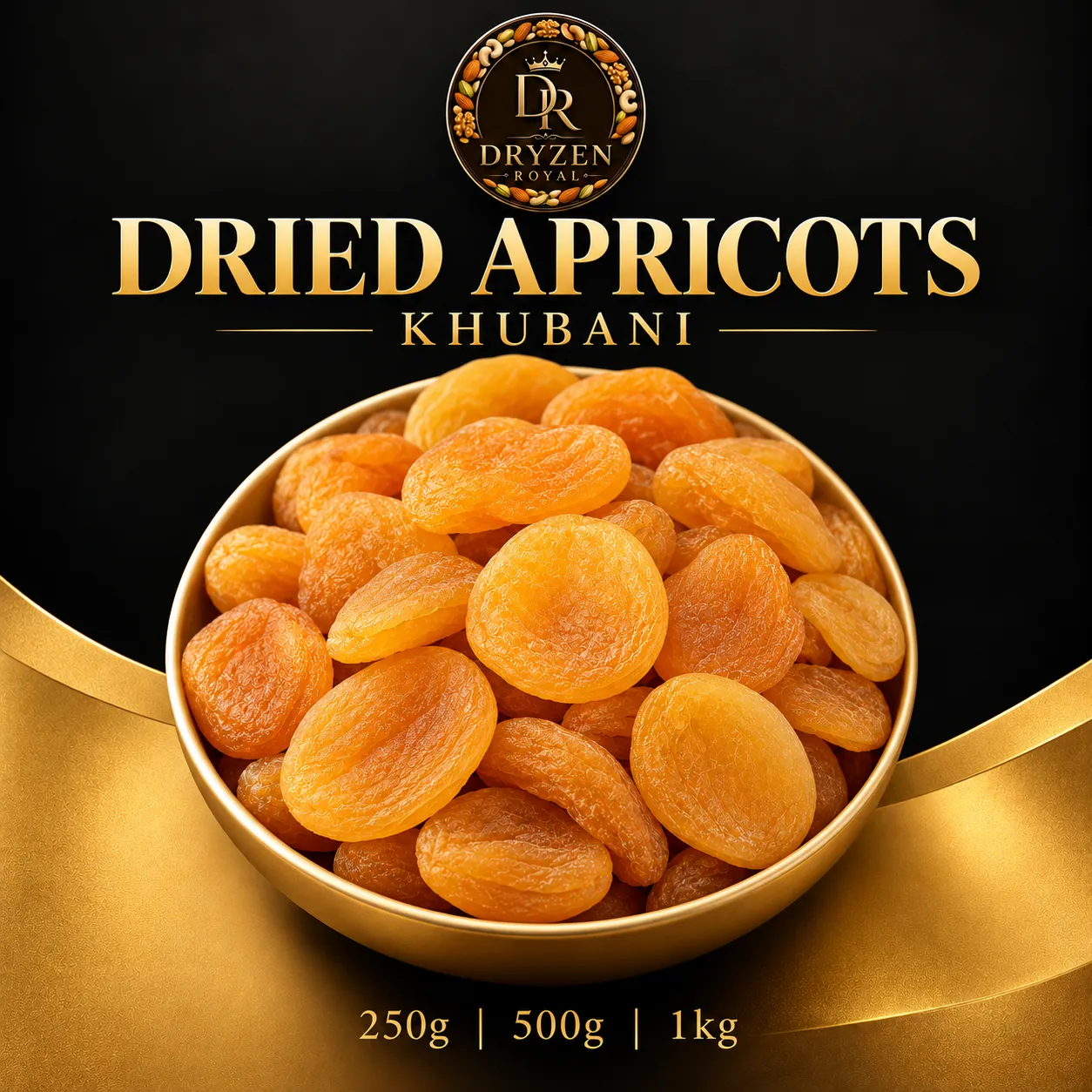
Explore Dried apricots at Dryzen Royal and choose khubani for fresh savoury accents as well as cooked desserts.
They should be pliable and easy to bite. Soften firm fruit briefly, then drain and dry before chopping.
It changes the condiment into a purée. Chop large pieces individually if you want the intended coarse texture.
No. This is an untested fresh relish and needs refrigeration.
Drain the serving portion, keep it separate until eating and assemble the wrap close to serving.
Questions about this article?
Email us and we will get back to you.
Explore more
