- 100% Natural
- Premium Quality
- No Preservatives
- Fresh & Healthy
Get better results when baking with dried fruit. Compare raisins, figs and apricots, learn when to soak, and make careful swaps in cakes, cookies and bread.
Baking with dried fruit becomes easier when you treat fruit as an ingredient that changes moisture, sweetness and texture. Raisins, figs and apricots can all bring interest to a bake, but replacing them carelessly can produce a sticky dough, a dry crumb or uneven slices. This guide explains how to prepare fruit, make a modest first substitution and keep useful notes for the next batch.
Read the recipe before opening a packet. Is the fruit a small addition to a cookie, a major part of a fruitcake, or a filling that binds a bar together? A handful of chopped raisins is a different challenge from replacing a thick date paste. Note whether the recipe specifies dried, candied, fresh or freeze-dried fruit. These forms carry different amounts of moisture and sugar. When baking with dried fruit for the first time, keep the original base recipe and change only one type of fruit.
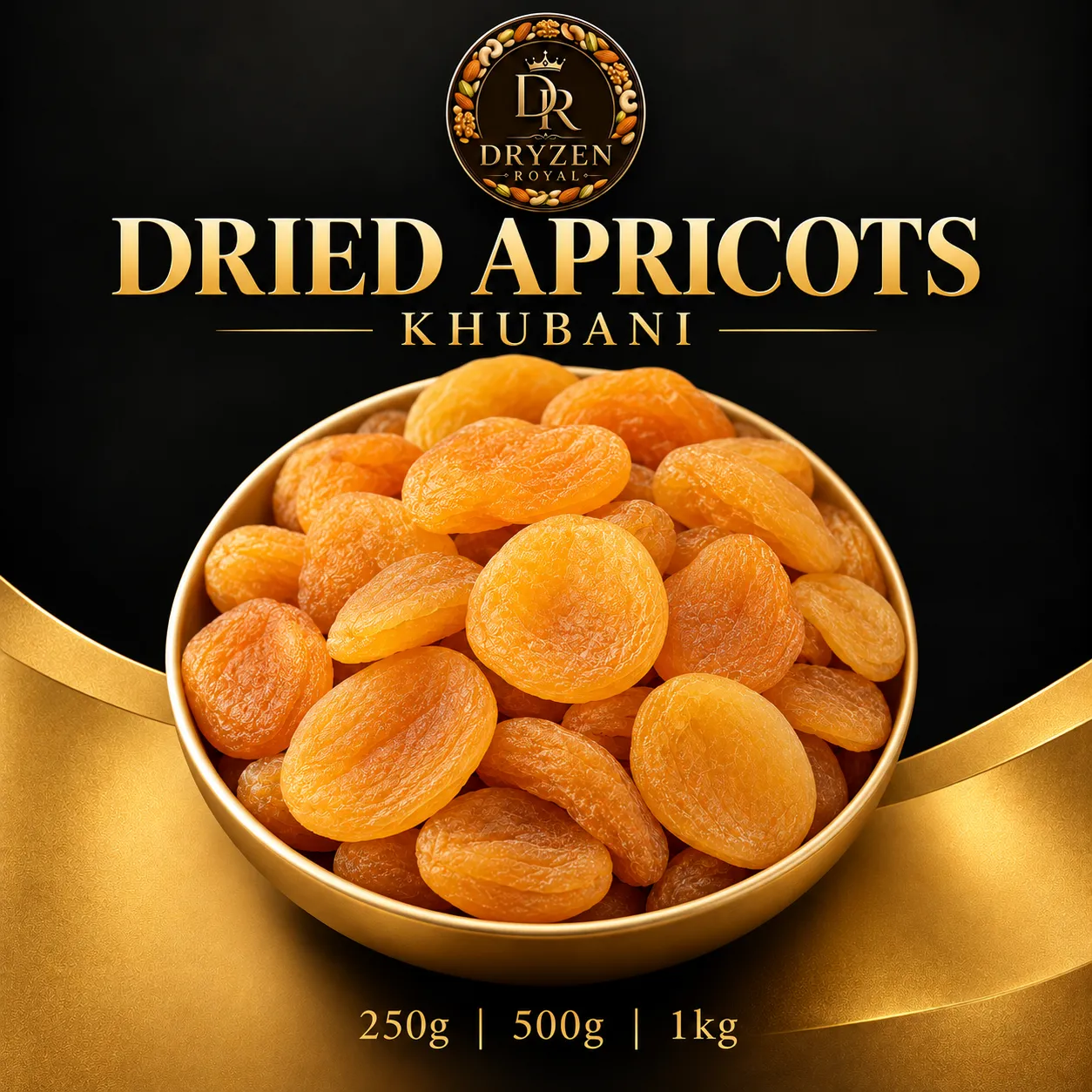
Raisins are small and easy to distribute through many batters. Dried figs add tiny seeds and a noticeable chewy texture; trim hard stems and chop them to the size your bake needs. Apricots can provide a distinct fruit flavour and colour, but some batches are considerably firmer than others. Check for pits or hard fragments while cutting. Ingredient lists also matter: sweetened fruit, coated pieces and plain dried fruit are not interchangeable in every recipe. Choose the fruit for its role rather than assuming the most expensive option will bake best.
If a recipe calls for 100 grams of raisins, replacing a small part of that weight with similarly sized chopped apricot is a clearer experiment than swapping loosely filled cups. Weight does not make fruits identical, but it keeps one variable under control. Begin with a partial replacement, such as one quarter of the total fruit, rather than changing every ingredient. Record the original and replacement weights. Keep the flour, fat, eggs and baking temperature the same for the first comparison unless the tested recipe specifically directs otherwise.
Soaking can soften a very firm piece of fruit, but it is not required for every cookie, cake or loaf. Follow the recipe when it gives a soaking method and says whether to include or discard the liquid. If experimenting with a small amount of dry fruit, use a brief soak and drain thoroughly before deciding how it fits the batter. Do not casually add a bowl of soaking liquid to a recipe that was not designed for it. The added moisture can change the result more than the fruit substitution itself.
Large pieces can make a small cookie hard to portion and a thin slice difficult to cut cleanly. Chop fruit into relatively even pieces and separate any sticky clumps before folding them in. For a larger loaf, slightly larger pieces may be pleasant, but they should still distribute through the mixture. Lightly dusting sticky chopped fruit with a little flour taken from the recipe's measured amount can make handling easier. It is not a guarantee against sinking; batter structure and the quantity of fruit also matter.
For a familiar raisin cookie recipe, test a modest amount of finely chopped apricot or fig in place of some raisins. Avoid increasing the total fruit simply because the pieces look attractive. Extra fruit can make portioning difficult and change how the cookie spreads. Keep the dough portions consistent and check the first tray before shaping the rest. A small test bake can tell you whether the pieces need to be smaller or the substitution should be reduced. Let the cookies cool before judging their final chew.
A fruit-heavy cake is designed around its total fruit load and liquid balance. Use a tested recipe as the foundation. King Arthur Baking's fruitcake recipe provides an example with specific dried-fruit weights and preparation directions, including non-alcoholic liquid options. For your own variation, keep the overall fruit quantity consistent and make limited swaps. Do not transfer its liquid amounts to an unrelated cake. When baking with dried fruit, a recipe that works with a dense fruit mixture may behave differently from a light sponge.
Fruit added to a kneaded dough needs enough space to spread without forming one heavy pocket. Follow the recipe's instruction for when to add it, and use manageable pieces. Very wet fruit can make the surrounding dough sticky, while dry exposed pieces can darken during baking. Keep large pieces from projecting sharply through the surface where practical. Raisins and chopped apricot work differently from a smooth filling, so use a recipe designed for a swirl if you want a fruit-paste centre rather than scattered pieces.
Sugar does more than make a bake sweet; replacing it with a fruit puree also changes moisture and texture. A date or fig paste cannot be assumed to replace granulated sugar gram for gram in every cake. Choose a tested recipe written for that paste if a substantial substitution is your goal. Likewise, a bake containing dried fruit is not automatically sugar-free. Describe what you actually used, and avoid nutrition promises based only on replacing one ingredient.
If the bake is too sticky, consider whether the fruit was unusually moist or whether you added soaking liquid. If pieces feel hard, consider smaller cuts or a recipe-appropriate softening step next time. If the fruit gathers at the bottom, examine batter thickness, fruit size and the total addition rather than relying on extra flour alone. Keep a short note of the brand, fruit weight and preparation. Baking with dried fruit becomes more predictable when you can identify exactly what changed between batches.
Purchase a quantity that suits your planned recipes and protect the remainder from moisture and heat. See dried apricots and dried figs for current options, and read the pack's ingredients before buying for guests. Our dry fruit storage guide covers pantry handling. Store the finished bake according to its recipe, especially if it contains a perishable filling or topping; the original fruit packet's shelf life does not apply to the completed dish.
Often a partial swap is a useful experiment. Chop the apricots to a similar size, keep the total fruit weight consistent and follow the recipe's moisture guidance.
No. Some recipes use fruit directly and others specify soaking. Follow the recipe, particularly its instructions for the soaking liquid.
No. Fruit size, amount and batter structure also affect distribution. A small amount of flour can help separate sticky pieces but is not a universal fix.
No. Dried fruit contains naturally occurring sugars, and the other ingredients may add more. Describe the ingredients accurately.
Fasih Frankly
SEO Expert and eCommerce Specialist. Shopify, eBay and online selling.
Questions about this article?
Email us and we will get back to you.
Explore more
