- 100% Natural
- Premium Quality
- No Preservatives
- Fresh & Healthy
Assemble cacao nib affogato with measured coffee, ice cream and a small cocoa crunch. Follow cup, pouring and serving timing for a simple two-person dessert.
Cacao nib affogato combines a modest scoop of ice cream with a small amount of freshly prepared coffee and cocoa-like crunch. The nibs stay solid rather than melting into a chocolate syrup. The appeal is the changing hot-and-cold texture, so timing matters more than elaborate decoration.
This method makes two small desserts. It does not require a particular coffee machine, but it does need a concentrated coffee you enjoy and cups suitable for the temperatures involved. Keep the components separate until close to eating.
Allow ten minutes to arrange the serving equipment and prepare coffee.
Use the actual ice-cream ingredient label for dairy, egg or other relevant information. A vanilla-looking scoop is not identical across products.
Espresso is a common option, but another concentrated coffee preparation can work if you like its flavour. Do not add a large watery brew and expect the same balance.
Use approximately 30ml per serving as a starting reference. If adapting, change the amount in one cup first.
Our cacao nib coffee guide explains another use of the ingredient. This dessert uses nibs as a topping, not a long extraction.
Choose small sturdy food-safe cups or bowls suited to hot liquid and frozen food. Very thin decorative glass may not tolerate the temperature change.
Place on a stable surface with spoons ready. A narrow vessel can make it difficult to reach the scoop or distribute coffee.
Prepare the dry topping in a separate small bowl. Pouring straight from a bag over every serving makes the quantity harder to control.
Remove only the amount needed for the current round. If scooping ahead, use suitable covered freezer storage rather than leaving scoops on the counter.
A bowl of partly melted ice cream is not the intended starting point. The coffee will soften it quickly once poured.
Place one scoop in each cup. Pour the measured hot coffee carefully over or beside it.
Scatter the small nib quantity and optional shavings. Keep hands away from the hot stream and make the cup temperature clear to the person receiving it.
Serve immediately with a spoon. Some ice cream melting into the coffee is expected and part of the dessert.
Do not repeatedly add hot coffee to chase a fully liquid texture. That changes the dish into a different drink and can overwhelm the scoop.
Taste a spoonful that includes coffee, ice cream and a few nibs. A component assessed alone can seem much stronger or sweeter than the combined serving.
If too bitter, review coffee strength and nib quantity before adding syrup. If too sweet, consider the ice cream used rather than assuming more coffee is always the answer.
For another frozen cocoa-accented preparation, our banana frozen dessert uses blended fruit and different texture controls.
A small chocolate shaving is enough if wanted. Nuts, sauces and biscuit crumbs introduce additional ingredients and can hide the simple contrast.
Do not describe the dessert as sugar-free, a health treatment or automatically suitable for every allergy. The products and portions determine what it contains.
Prepare cups and topping before brewing. Assemble only a few servings at a time so early cups do not melt completely while the last ones wait.
Keep frozen reserves at suitable freezer temperature, ideally around −18°C, and avoid repeated softening and refreezing.
For anyone avoiding caffeine, check both coffee and cacao rather than making a blanket promise from one component. Use age-appropriate serving and keep hot drinks away from children.
Clean the preparation tools and close the dry nib pack before returning wet spoons to the sink area.
Choose heat-suitable serving cups and measure the topping before removing ice cream from the freezer. Keep this preparation separate from the unused ingredient packs. Put measured amounts in small bowls so a pause or interruption does not lead to the same ingredient being added twice. Retain the original labels when ingredients are transferred into other containers.
Prepare coffee just before serving while keeping scoops frozen until the cups are ready. Check the equipment and available space before starting the stage that needs continuous attention. A short written order of tasks can prevent a cooked component waiting unnecessarily while another is still being prepared. Use the stated texture cues alongside the clock.
Test the coffee-to-ice-cream ratio in one small serving before changing all portions. Make the smallest practical adjustment, combine it fully and reassess before adding more. Keep a note of the quantity actually used and the preparation of the source product. This gives the next batch a clear reference instead of several simultaneous changes.
Pour at the table or immediately before eating and keep the untouched frozen reserve protected. Separate the working amount from the untouched reserve and choose packaging that suits the prepared food. A dry ingredient and a dish made from it can have different storage requirements. Keep serving utensils clean and ingredient information accessible to anyone sharing.
Keep the coffee and topping quantities fixed while changing only the ice-cream product if you want to compare styles. Changing scoop size, coffee strength and nib quantity together makes the result harder to interpret.
Use a small stable tray for two cups and keep handles clear. The dessert contains hot liquid even when the scoop looks frozen, so the person receiving it should know to handle it carefully.
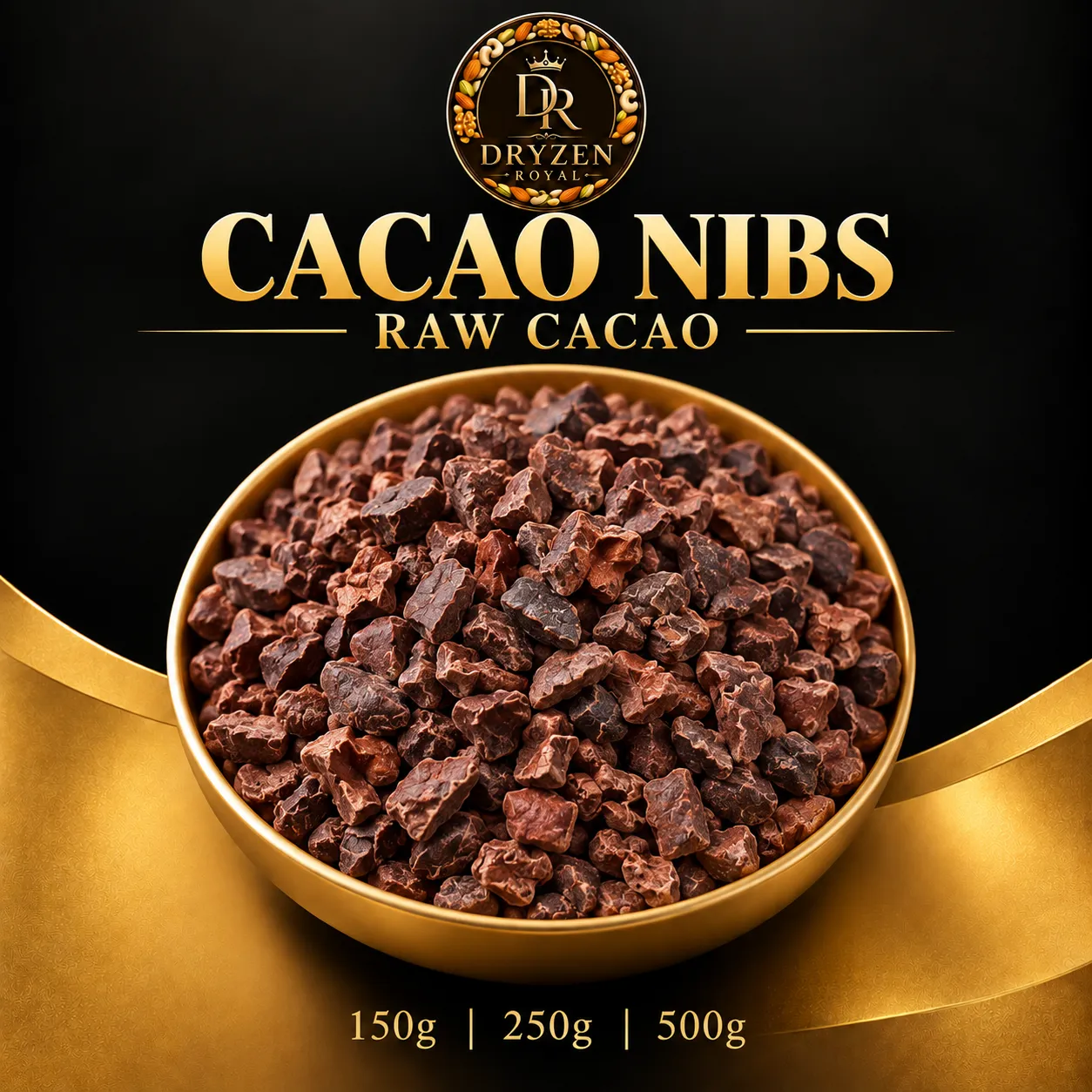
For ingredients for cacao nib affogato, view Premium Raw Cacao Nibs. Review the current product details and choose a pack that fits your cooking or gifting plans.
No. They remain small crunchy pieces, so use a modest measured topping.
That creates a different drink-like dessert. Begin with the small quantity specified.
No. Coffee and cacao can contain caffeine; describe the actual products accurately.
Prepare components ahead but pour close to eating so the intended hot-cold contrast remains.
Questions about this article?
Email us and we will get back to you.
Explore more
