- 100% Natural
- Premium Quality
- No Preservatives
- Fresh & Healthy
A mild chicken korma variation with a ground cashew base and a controlled yogurt-cooking method.
Cashew chicken korma uses a smooth kaju paste and yogurt to make a gently spiced gravy around chicken pieces. This is a mild home variation, not a claim that every regional korma uses the same ingredients. The cashews add body, so the recipe does not need a large quantity of cream to look rich.
The method separates three jobs: softening onions, grinding nuts and cooking chicken safely. Rushing the first two can leave a raw onion flavour or a gritty sauce. Cashew chicken korma becomes easier to repeat when the nut weight and added water are measured rather than adjusted with an extra handful every time.
Allow around forty-five minutes from preparation to serving, including time to blend the nuts. You need a wide heavy pan with a lid, a small blender and a food thermometer. Use a separate board and utensils for raw chicken, then clean them appropriately before handling ready-to-eat ingredients.
Chicken thigh and breast cook differently, so use tenderness and temperature rather than a fixed universal time. Yogurt and nuts are allergens, and packaged spice blends may contain additional ingredients. Keep the original labels available if cooking for guests.
Cover cashews with the measured 100 ml warm water for fifteen minutes, or until they blend readily. Use the nuts and their clean soaking water to make a smooth paste. Pause the blender and scrape down as needed. A small jar is often more effective for this quantity than a large processor bowl.
Do not use heavily salted or spicy snack cashews for the first batch. Their coating changes the gravy's seasoning and colour. If you only have plain roasted cashews, expect a more toasted flavour and check that they blend smoothly. A paste with visible hard pieces needs more preparation before entering the pan.
Whisk yogurt until smooth and keep it aside briefly while the onions cook. Do not leave it out for a long period in a warm kitchen. The point is to avoid adding an icy lump to a very hot pan, not to abandon cold storage all afternoon.
If the yogurt is very watery, stir it thoroughly and use the measured weight. If it is heavily strained, the gravy may need a little more water. Avoid substituting a sweetened yogurt cup, which brings a different flavour and sugar balance.
Heat oil over medium-low heat and add sliced onions. Cook for twelve to fifteen minutes, stirring, until soft and lightly golden. If they catch before softening, add a tablespoon of water and lower the heat. Deeply burnt onion edges make a bitter sauce that cashew paste cannot repair.
Add ginger-garlic paste and cook for a minute, stirring. Add cumin, coriander and turmeric, then a small splash of water so the spices do not burn. The mixture should smell cooked and aromatic rather than raw or acrid. Keep the garam masala for later.
Add chicken pieces and turn them through the onion mixture for a few minutes until the outside changes colour. This is only an initial stage, not a safety test. Reduce the heat and add whisked yogurt in small additions, stirring after each.
Once combined, add the cashew paste and 150 ml water. Stir along the base because nut sauces can catch. Bring to a gentle simmer, cover partly and cook until the chicken is tender and reaches 74°C in the thickest pieces. Check more than one piece where practical.
If the sauce becomes too thick before the chicken is ready, add water in small measured splashes. Do not raise the heat sharply and scrape aggressively; that can scorch the nut solids. A smooth gravy should move around the chicken rather than sit like a paste.
Stir in garam masala near the end and season to taste. Simmer briefly, then check consistency. Cashew chicken korma thickens further as it stands, so stop slightly looser than the final serving texture. Add water rather than more oil if the problem is thickness.
This version lets onion, yogurt and kaju remain noticeable. If your family prefers chilli, add a modest measured amount during the spice stage or offer a suitable condiment separately. Do not label a mild recipe flavourless simply because it lacks a strong red colour.
A few chopped herbs can finish the dish, but they are optional. Whole fried nuts on top also change the portion's texture and nut quantity. Try the smooth version first so the base is easy to judge. Cashew chicken korma does not require an elaborate garnish to be complete.
Plain rice, roti or naan can accompany the gravy. A cucumber salad or a little plain yogurt on the side offers a cooler contrast. Keep the rice portion and other sides appropriate to the whole meal rather than prescribing one plate for every diner.
Serve from a warm bowl and keep remaining food appropriately hot or refrigerate it promptly after the meal. Do not leave a large pan lukewarm while repeatedly serving small portions over several hours. A thick nut gravy can hide a centre that has cooled more than expected.
The cashew paste can be made ahead and refrigerated in a clean covered container for a short same-day or next-day plan. Cooked onion base can also be prepared separately and chilled promptly. Keep raw chicken sealed and apart from those ready components.
Do not reuse a spoon that stirred raw chicken to taste the finished sauce. Wash hands and clean work surfaces during the transition. The smooth appearance of a gravy does not show whether cross-contact occurred, so organise utensils before cooking begins.
Refrigerate cooked leftovers promptly in shallow containers. Use within two days as a conservative household schedule. Reheat with a little water, stirring, until the chicken and sauce are thoroughly hot; 74°C is a useful thermometer target. Avoid repeatedly heating and cooling the entire batch.
Freezing a small cooked portion is possible, though yogurt sauces may separate slightly on thawing. Thaw in the refrigerator and reheat gently while stirring. Do not assume a changed texture means more cream is needed; a little water and careful heating may be enough.
Cashew chicken korma is most dependable when the paste is smooth, the onions are properly softened and the chicken is checked with a thermometer. Record the final water amount and the cut of chicken used. Those details make the next meal easier to repeat than relying on colour or a fixed simmering time alone.
Use smooth cashew paste for a closer look at grinding. For a separate vegetable dish with coconut rather than yogurt, explore cashew coconut vegetable curry.
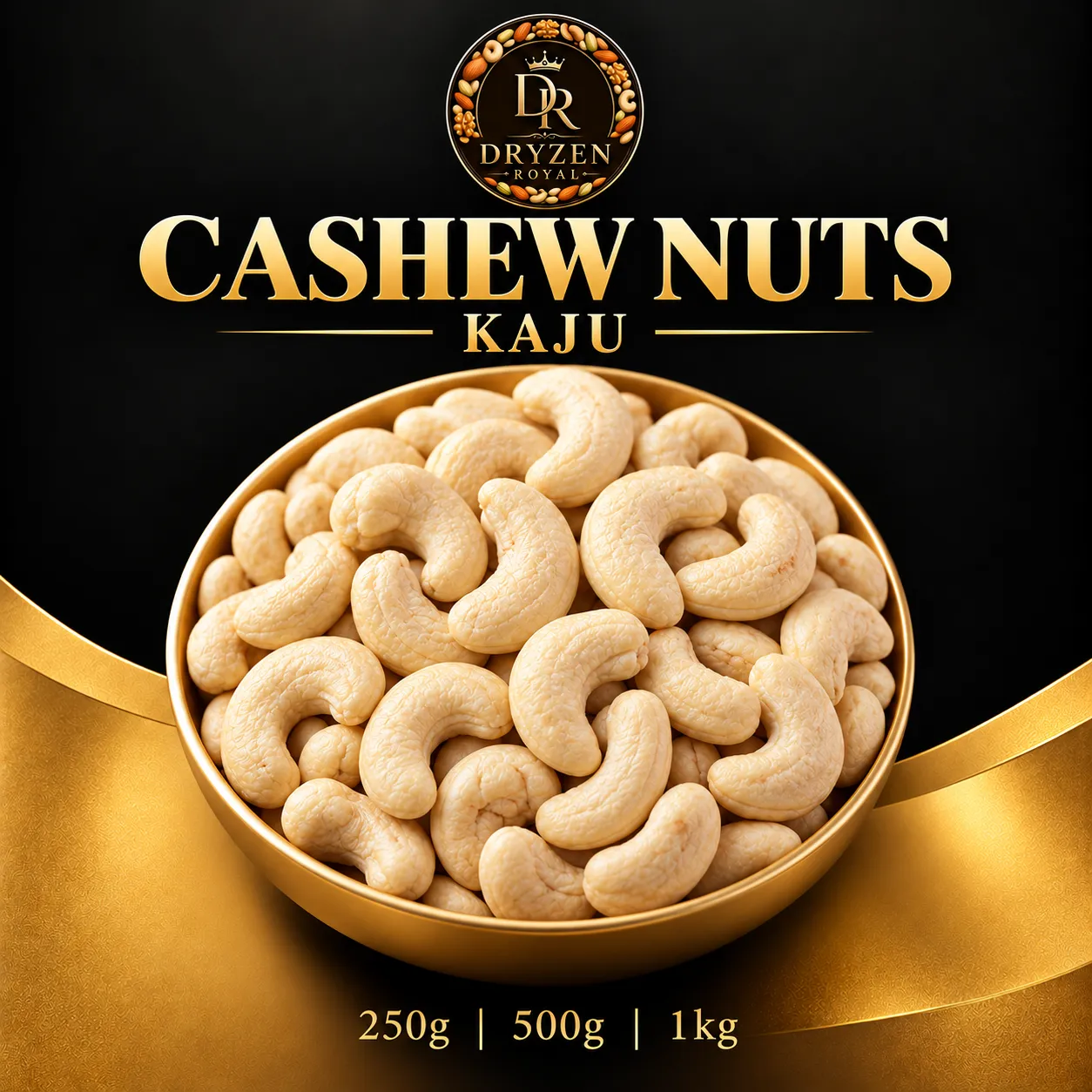
Explore Cashews at Dryzen Royal and choose plain kaju for your next savoury cooking project.
If serving cashew chicken korma to guests, keep the ingredient list beside the serving plan so finely ground nuts are clearly identified rather than hidden by the smooth sauce.
No. Check thick pieces with a food thermometer; chicken should reach 74°C.
Use small amounts of water. More oil changes richness rather than correcting excess thickness.
Use plain yogurt. A sweetened product changes the intended flavour and balance.
Ground nut solids can catch and scorch. Gentle heat and regular stirring protect the sauce.
Questions about this article?
Email us and we will get back to you.
Explore more
