- 100% Natural
- Premium Quality
- No Preservatives
- Fresh & Healthy
A vegetable and kaju rice dish with crisp nuts, a flexible seasoning method and clear advice on using properly chilled cooked rice.
Cashew fried rice pairs cooked rice with vegetables and kaju for a dish that is easy to adapt to your kitchen. The rice should be separate enough to toss, the vegetables cut small enough to cook evenly and the nuts added near the end so they keep their crunch.
The recipe below makes two main portions or three smaller side portions. Prepare every ingredient before heating the pan. Fried rice comes together quickly, and stopping to chop an onion while garlic is already cooking can lead to uneven results.
Use the cooked rice weight rather than measuring the same quantity of uncooked grain. Either basmati or another long-grain rice can work if it has been cooked appropriately. Start with less soy sauce and taste only after the dish is thoroughly heated.
Chilled rice can be convenient for frying, but its storage history matters. The Food Standards Agency's home food guidance advises cooling cooked rice quickly, ideally within one hour, refrigerating it and consuming it within 24 hours. Reheat only once until steaming hot throughout.
Do not use rice that has been left on the counter overnight. If you do not know how a batch was cooled and stored, make a fresh batch and handle it properly. A cold or dry appearance does not tell you whether the earlier storage was suitable.
Break up large refrigerated clumps gently before cooking. Use a clean spoon or fork rather than crushing the grains. Keep the prepared rice chilled until you are ready to add it to the pan.
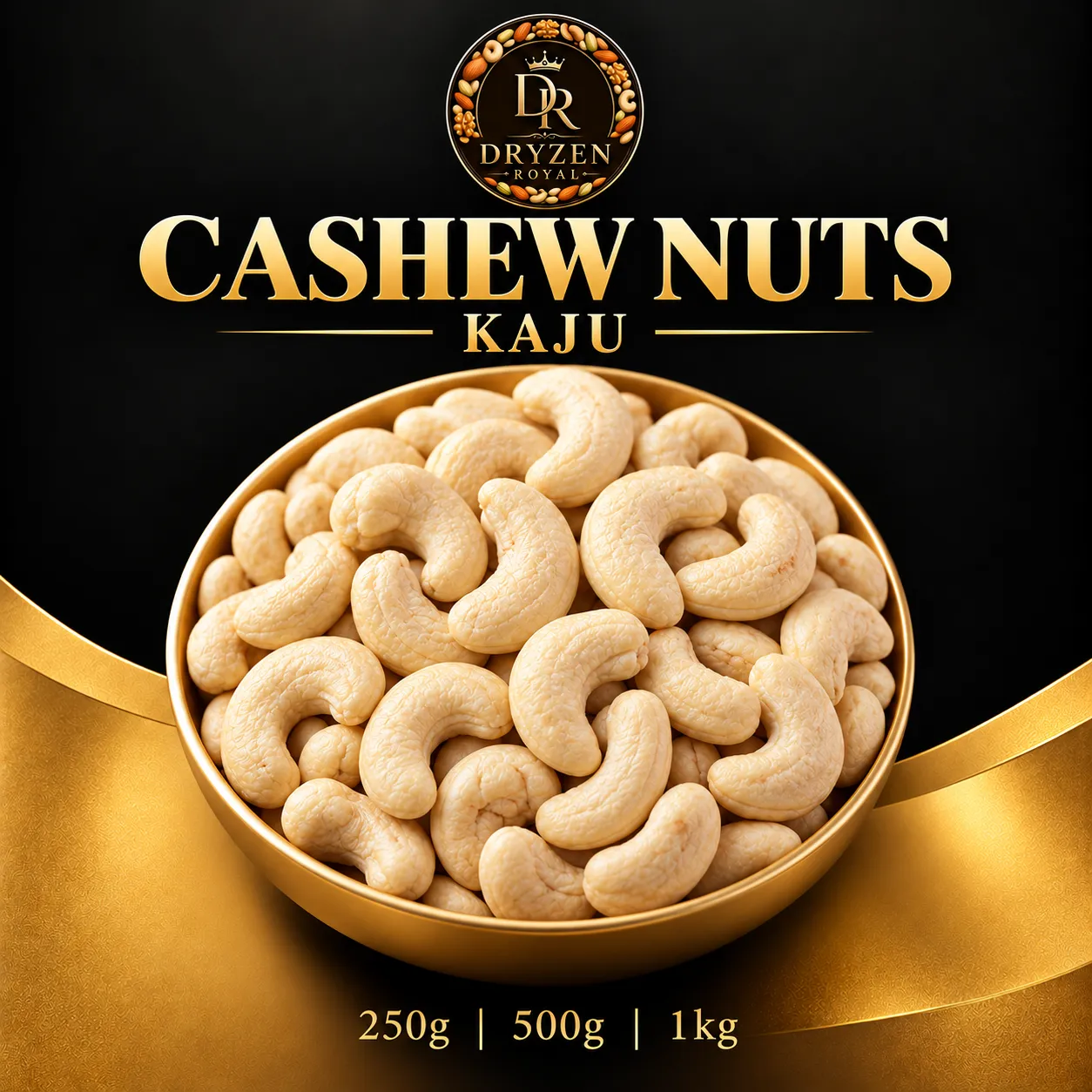
Whole cashews look attractive, while larger broken pieces distribute more evenly. Very fine crumbs can brown quickly and become lost among the rice grains. Use plain nuts when possible so the seasoning stays under your control.
For buying details, see our whole versus broken cashew guide. You can browse Dryzen Royal cashews and check the preparation listed on the current pack.
If your frying pan is small, cook in two batches. A deeply piled pan makes it harder to heat the rice evenly and encourages the ingredients to steam together. A wide pan gives you more room to move the rice and check its temperature.
Drain any wet vegetables well before adding them. Keep sauces measured rather than pouring straight from the bottle. If the mixture looks dry, check the heat and movement first; adding a large quantity of liquid can turn the dish into soft, saucy rice.
For a warmer flavour, add a little finely chopped ginger with the garlic. For heat, add chopped chilli according to your preference. If using salted roasted cashews, reduce the soy sauce at first because both ingredients affect the final seasoning.
Check condiment labels when cooking for guests. Soy sauce may contain wheat and soy, and the dish includes cashews. A sauce substitution should be chosen from its ingredients and the guest's requirements rather than from the product name alone.
Serve cashew fried rice directly from the pan while it is thoroughly hot. Because this method reheats previously cooked rice, prepare only the quantity you intend to eat and avoid another cycle of cooling and reheating.
If you prefer a gentler rice side dish, try our almond rice recipe. The useful habit in both dishes is to treat the nuts as a deliberate texture: prepare them separately, then add them when their flavour and crunch will be most noticeable.
Yes. Larger pieces work well and spread through the dish. Very fine crumbs can brown more quickly.
No. Use rice that was cooled promptly and refrigerated correctly. Reheating does not make unsuitable storage acceptable.
This recipe already reheats cooked rice. Follow the guidance to reheat rice only once and cook only what you plan to eat.
Questions about this article?
Email us and we will get back to you.
Explore more
