- 100% Natural
- Premium Quality
- No Preservatives
- Fresh & Healthy
Prepare cashew macaroni bake with a blended kaju sauce and cooked vegetables. Follow pasta, moisture and oven cues for a creamy family tray without guesswork.
Cashew macaroni bake uses a smooth kaju sauce to coat pasta and cooked vegetables before a short oven finish. The cashews are blended with measured water and seasoning rather than simply scattered over a cheese sauce. It is a practical family tray when you want a creamy texture with a clearly nut-based flavour.
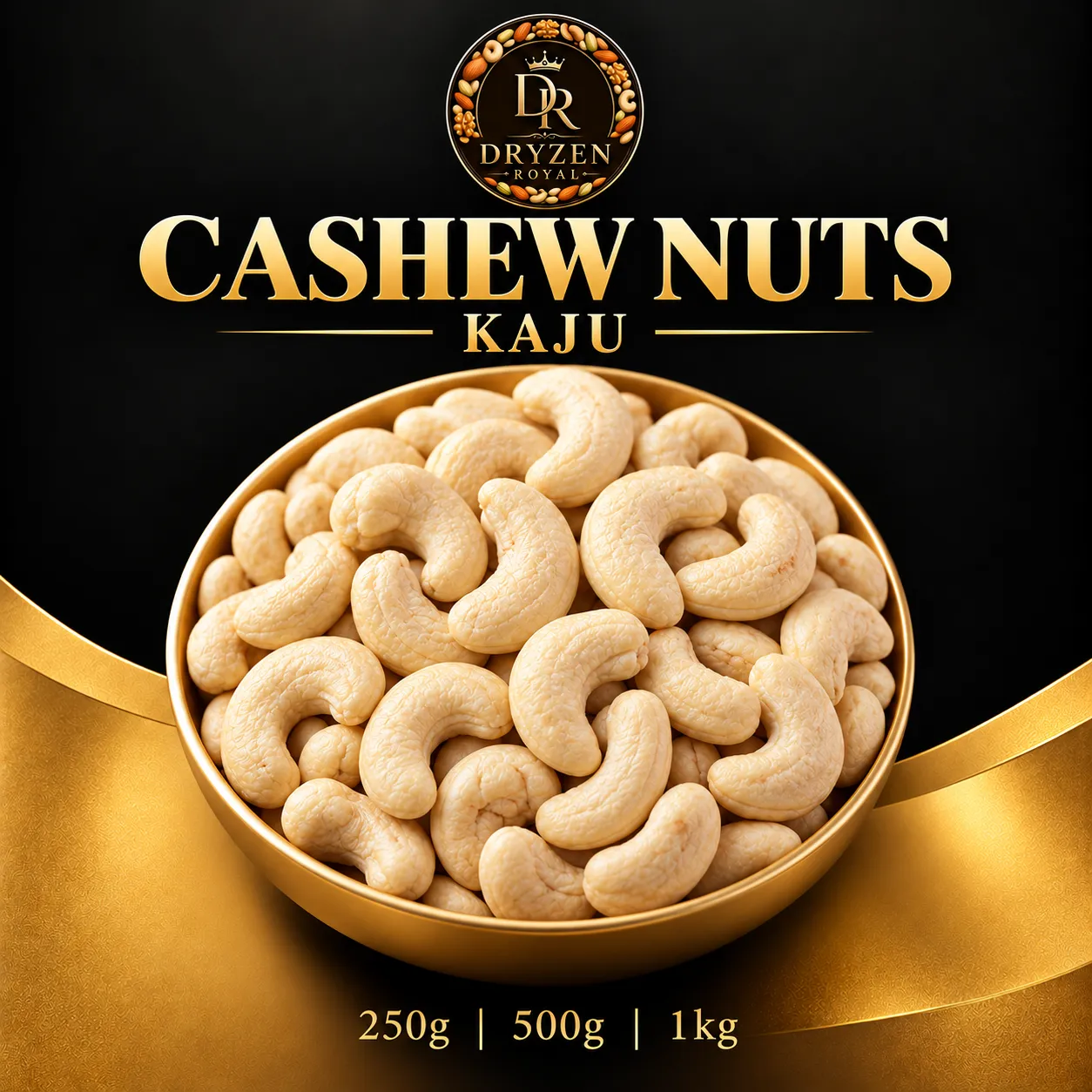
This version uses plain nuts, a modest vegetable quantity and a simple surface crumb. Cook the vegetables first so they do not release an uncontrolled amount of liquid into the dish. Keep enough sauce in the mixture to allow for further absorption in the oven.
Use a baking dish around 20cm square. Allow twenty minutes for preparation and approximately twenty minutes in the oven.
Check pasta and breadcrumb ingredients if dietary needs matter. This recipe does not assume every brand is made identically.
Inspect the kernels, cover with hot water and soften for around twenty minutes. Drain, then blend with the measured 300ml fresh water, garlic, lemon and seasoning.
Use equipment suited to the quantity. Blend until smooth, stopping to scrape with the machine off. Do not tightly seal very hot liquid inside an unsuitable blender.
Our cashew paste guide explains another blending method. Its concentrated curry paste is not the same liquid ratio as this coating sauce.
Heat the oven to 190°C conventional or about 170°C fan. Cook the macaroni in water according to the pack, stopping just short of your desired final softness.
Reserve a small cup of cooking water, then drain. Do not leave the pasta standing in the water while finishing other tasks.
Warm the oil in a pan, soften the onion and cook the chopped vegetables until their released liquid has mostly evaporated. Stir in the peas near the end. Cool a small spoonful before tasting seasoning.
Warm the blended sauce gently in a saucepan, stirring across the base. It will thicken as it heats. Stop while it is still readily pourable.
Mix with the pasta and vegetables. Add a little reserved pasta water if the coating becomes stiff. The mixture should look generously coated, not like dry pasta with occasional sauce patches.
Transfer to the dish and level gently. Mix breadcrumbs with the small topping oil and scatter thinly. A thick dry cap can hide rather than improve the texture.
Bake for around fifteen to twenty minutes, until hot throughout and lightly coloured on top. The ingredients are already cooked, so this is not an attempt to bake raw pasta in a shallow sauce.
If the surface browns very early, cover loosely while the centre warms. Avoid extending the bake simply to achieve a dark crust; the pasta continues absorbing moisture.
Rest for five minutes, then spoon into portions. A simple salad provides contrast without needing another rich sauce.
For a different kaju dinner technique, see our cashew vegetable stir-fry. Stir-frying keeps distinct pieces rather than blending the nut into a coating.
If the bake is dry, review sauce consistency and oven duration. If watery, check vegetable cooking and whether excess blending water was added. Correcting one stage is more useful than changing every ingredient.
Cool leftovers promptly in suitable containers and refrigerate at 4°C or below. Reheat thoroughly, adding a small splash of water only if needed to loosen the sauce.
Identify cashews and wheat, plus any additional ingredients in the products used. Keep soaked nuts separate from the dry reserve. Do not claim allergy suitability from the absence of a visible dairy topping.
When repeating the recipe, note the dish dimensions and pasta brand. Different shapes hold sauce differently, so measured starting quantities and a final texture check are both useful.
Prepare the cashew sauce first, then cook the vegetables while the pasta water heats. Keep each component in a separate bowl until the final mix. This prevents drained pasta from waiting in a dry hot pan while you search for the remaining ingredients.
If making ahead, cool the cooked components promptly and refrigerate rather than leaving the assembled dish warm. Allow extra reheating time for a cold tray and check the centre thoroughly. The short oven timing in the main method assumes a recently combined warm mixture, not a dish taken straight from a cold refrigerator.
Set aside the measured blending water and a separate small cup for pasta-water adjustments. Weigh and inspect before starting the hot stage, then close the source packs. Small prepared bowls reduce interruptions and make accidental double additions less likely. If you pause midway, mark which ingredients have already entered the mixture.
Start the sauce first, then cook vegetables while the pasta water comes to temperature. Allow the component that needs cooling or resting to begin first. Keep the next piece of equipment ready so the transition is controlled. The clock is useful for planning, but the stated texture and appearance remain the more important cooking cues.
Judge sauce thickness on a spoonful of combined pasta rather than the hot sauce alone. Make one measured correction, mix thoroughly and reassess. A small test portion helps prevent an irreversible adjustment across the whole recipe. Keep notes on the preparation used, because a different product or pan can explain a different result.
Keep a simple salad separate so its dressing does not soak the baked surface. Plan the serving container and storage space before making a larger batch. Do not assume twice the ingredients fit safely into the same pan or cool in the same time. Protect the reserve from repeated handling and label any transferred food clearly.
Explore Premium Cashew Nuts Dryzen Royal when planning cashew macaroni bake. Check the current preparation and pack information, choose the quantity your recipe needs, and keep the remaining dry ingredients stored as directed.
Cook slightly short of your preferred final texture because it continues in the sauce and oven.
Plain nuts are easier to balance. Roasting and seasoning change the sauce flavour, so test any substitution.
No. The sauce should coat generously before baking; a dry mixture can become firm and unpleasant.
Check every ingredient and the serving additions. A cashew base does not establish suitability by itself.
Questions about this article?
Email us and we will get back to you.
Explore more
