- 100% Natural
- Premium Quality
- No Preservatives
- Fresh & Healthy
Make date mug cake with measured khajoor, flour and milk in a microwave-safe cup. Follow capacity, short-cooking and centre checks for one small dessert.
Date mug cake is a small microwave dessert with softened khajoor mixed into a simple flour batter. It suits one modest serving when you do not want a full oven tray. The cup size and microwave power are part of the recipe, not details to ignore.
This egg-free formula still contains raw flour before cooking and should not be tasted uncooked. A hot cup also needs careful handling. The centre must be set rather than hidden beneath a surface that only looks finished.
Use a microwave-safe mug or small bowl with at least 300ml capacity. Allow around ten minutes including fruit preparation and resting.
Do not add unmeasured spoonfuls until the cup is nearly full. A larger portion changes cooking and can overflow.
Open and inspect every date, remove pits and weigh the edible portion. Chop finely and soften in the measured hot water.
Mash with a fork until the pieces are small. Let the mixture lose its strongest heat before combining.
Our date preparation guide explains pitting and texture. This small batter uses its own liquid balance, not a random large spoon of loose paste.
Whisk flour, baking powder, salt and optional cinnamon. Stir milk and oil into the date mixture, then combine with the dry bowl.
Mix just until no loose flour remains, scraping the base. A separate bowl makes dry pockets easier to see than stirring inside a tall narrow mug.
Transfer to the suitable cup. The mixture should occupy well below the rim, leaving room to rise. Lightly grease the vessel if its material and care guidance allow.
Use the appliance normally and follow its instructions. Do not put metal-trimmed ceramics or unknown containers into it.
Place the cup securely. Hot sugar-rich fruit and batter can remain very hot after cooking, so keep the handle and surrounding area dry.
For a microwave around 800W, start with approximately sixty seconds, then inspect carefully. Continue in short intervals, often ten to fifteen seconds, until the centre is set.
The exact total can vary substantially. A wider bowl and a narrow tall cup heat differently.
Look for no raw wet batter in the centre. Do not keep adding long full cycles because one edge feels soft. Short checks reduce the chance of a dry rubbery outside.
Leave the cup on a heatproof surface for a couple of minutes. The structure settles and the temperature becomes safer to assess.
Use a spoon to check the centre carefully once comfortable to handle. If still raw, cook further in a short controlled interval.
Do not assume a very hot surface proves the whole portion is ready. The centre is the meaningful check.
Offer a little plain yogurt or cream separately if desired, keeping those ingredients appropriately chilled.
For a larger warm khajoor dessert, our sticky date pudding uses an oven bake and a different formula.
Do not multiply a mug recipe into one deep microwave bowl without reconsidering capacity and cooking. Several small portions may be easier to assess.
If dry, the total cooking may have been too long or the flour quantity excessive. If gummy, check centre doneness and liquid measurement.
Date size varies, so weigh the pitted portion. One large fruit is not a universal replacement for a fixed gram amount.
Keep a note of your microwave power, vessel and actual successful intervals. That gives a better reference than copying a total time without equipment context.
This recipe contains wheat and milk unless adapted. Check all actual products, avoid sugar-free or medical claims and keep wet tools out of the dry date pack.
Prepare only what you expect to eat. Any saved cooked portion still needs suitable cooling, storage and thorough reheating.
Remove every date pit and choose a microwave-safe cup with ample spare capacity. Keep this preparation separate from the unused ingredient packs. Put measured amounts in small bowls so a pause or interruption does not lead to the same ingredient being added twice. Retain the original labels when ingredients are transferred into other containers.
Soften the fruit first while measuring the dry ingredients and checking appliance power. Check the equipment and available space before starting the stage that needs continuous attention. A short written order of tasks can prevent a cooked component waiting unnecessarily while another is still being prepared. Use the stated texture cues alongside the clock.
Use short additional cooking intervals only after inspecting the central batter. Make the smallest practical adjustment, combine it fully and reassess before adding more. Keep a note of the quantity actually used and the preparation of the source product. This gives the next batch a clear reference instead of several simultaneous changes.
Let the hot cup rest safely before eating and prepare only the amount you intend to serve. Separate the working amount from the untouched reserve and choose packaging that suits the prepared food. A dry ingredient and a dish made from it can have different storage requirements. Keep serving utensils clean and ingredient information accessible to anyone sharing.
Note the vessel capacity, approximate batter depth and successful cooking intervals. Two cups with the same volume can still have different shapes, so changing from a wide bowl to a narrow mug deserves another centre check.
Do not add a second full recipe into the same cup simply because the first serving looked small. Overflow and an undercooked middle are more likely when headroom and heating depth change together.
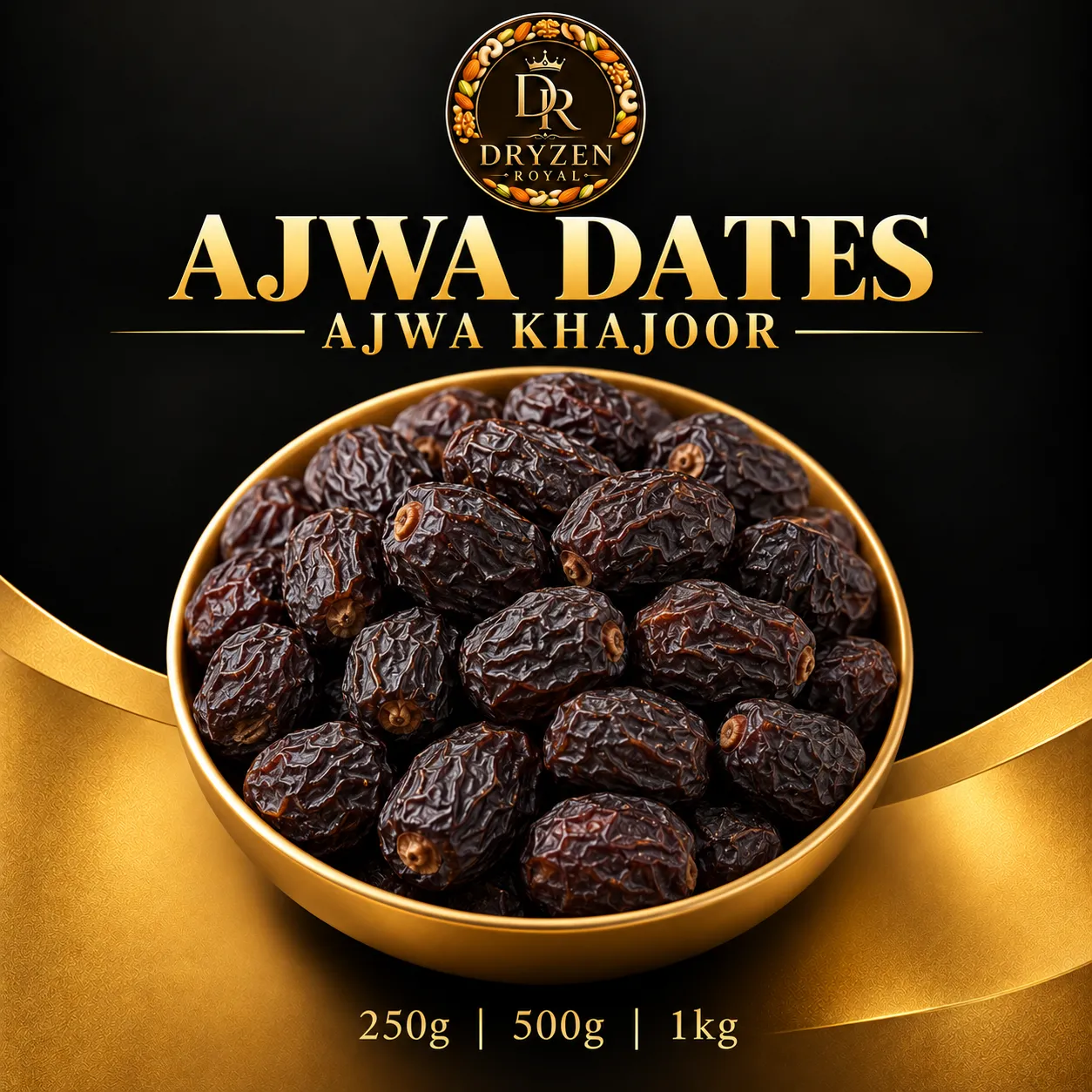
For ingredients for date mug cake, view Premium Ajwa Khajoor (Dates). Review the current product details and choose a pack that fits your cooking or gifting plans.
Use a vessel specifically suitable for microwave cooking, without unsuitable metallic decoration.
Leave generous headroom because the batter expands.
No. Power, vessel shape and quantity change the result; cook in short stages and inspect.
Do not taste uncooked batter. Assess a fully cooked cooled sample.
Questions about this article?
Email us and we will get back to you.
Explore more
