- 100% Natural
- Premium Quality
- No Preservatives
- Fresh & Healthy
Make a small batch of khajoor paste, choose the right consistency and understand where it works well—and where a baking substitution needs more care.
A simple date paste recipe needs pitted khajoor, a little water and a processor that can handle a thick mixture. The goal is a spoonable fruit paste, with the consistency adjusted to how you plan to use it. Start with less water and add gradually: a thick paste is easy to loosen, while a watery batch is harder to use as a filling.
This is a flexible small-batch method. The amount of water and processing time depend on the dates and your equipment. Allow around 10 minutes for preparing and blending soft dates; firmer fruit may need additional softening time.
Natural Delights also uses a dates-and-water method in its Medjool date paste recipe. Different date varieties and moisture levels can produce a different result, so use the texture as your guide rather than treating one water ratio as universal.
Open each date and remove its pit. Check for hard fragments even if the packet is labelled pitted. Weigh the fruit after this step so the recipe quantity refers to the edible portion. Follow any preparation instructions on the product label.
Cut large dates into a few pieces. This makes the initial blending easier and gives you another opportunity to notice an overlooked pit. Do not put whole, uninspected dates into a processor and expect the blades to separate the pits safely.
If the dates are already soft, begin blending with the measured water. If they are firm, combine them with warm water and allow a short softening period, checking until they are easier to mash. Keep track of the liquid used so you do not accidentally add the starting water twice.
Use warm rather than boiling liquid in equipment that is not designed for hot processing. Follow the processor manufacturer's instructions. If the bowl is too large for the batch, the mixture may sit below or away from the blades; a suitably sized appliance can work better than adding excessive water.
Process in short intervals, stopping the machine before scraping down the sides. Add extra water a teaspoon at a time if the blades struggle to move the mixture. Give the appliance breaks as its instructions require rather than running it continuously against a stiff mass.
For porridge or a smoothie, a slightly looser paste may be useful. For a spread or filling, stop when the mixture holds on a spoon. Skin fragments can remain visible in a domestic processor; a homemade paste need not look identical to a commercially refined product.
Keep the first batch plain if you want to use it in several dishes. For a small spiced portion, stir a pinch of cardamom or cinnamon into only what you intend to serve. That leaves the remaining paste flexible for other recipes.
A little citrus zest can also be a serving-time addition where it suits the dish. Adding milk, cream, butter or other wet ingredients creates a different preparation, with different storage requirements. Do not use this basic method to infer the shelf life of a richer filling.
| Use | How to start | What to watch |
|---|---|---|
| Warm porridge | Stir in a small spoonful | Taste before adding another sweetener |
| Plain yogurt | Swirl into a single serving | Keep the remaining yogurt and paste separate |
| Toast | Spread a thin layer | A thick paste spreads more neatly |
| Smoothie | Blend a small amount with the other ingredients | Adjust the total liquid gradually |
| Date-based sweets | Use a recipe written for a date mixture | Extra water may make a shaped sweet too soft |
It can add sweetness, but it is not an automatic replacement for every dry or liquid sweetener. Paste brings moisture and fruit solids into the mixture. A crisp cookie, a sponge cake and a dense fruit bar do not rely on sugar in the same way.
Use a recipe designed for date paste when making an important bake. If experimenting, test a small quantity and record the change instead of replacing all the sugar in a full batch. Date paste still contains sugars from the fruit; adding no spoonfuls of sugar does not make the finished dish sugar-free.
Transfer the paste to a clean, tightly closing container, refrigerate promptly and use a clean utensil. Make a small batch you will use soon. For longer storage, freeze small portions rather than keeping an open jar indefinitely. Do not apply the unopened date packet's best-before date to a mixture that has had water added.
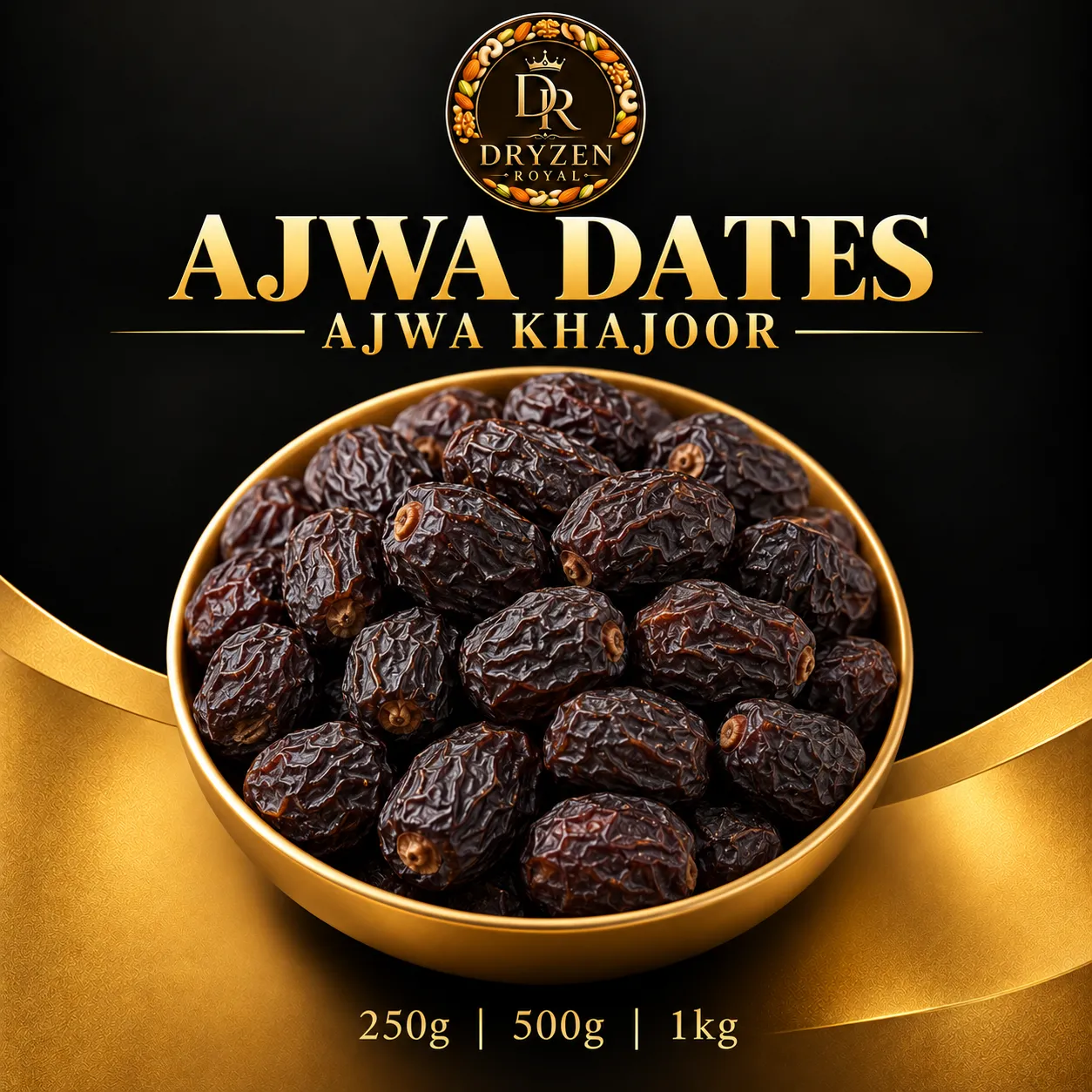
Check the Dryzen Royal date listing for the current product details and availability; this recipe does not depend on buying a particular variety. For other uses, explore stuffed-date ideas and dry-fruit ladoo, following each recipe's required texture.
The dates may have needed less water. Add liquid gradually in the next batch. Use a loose batch in a dish that can accommodate its moisture rather than treating it as a firm filling.
Different varieties can work, but firmness, moisture and flavour vary. Remove all pits and adjust the softening and water to the actual fruit.
No. Dates contain sugars from the fruit, even when the recipe includes no added table sugar.
Questions about this article?
Email us and we will get back to you.
Explore more
