- 100% Natural
- Premium Quality
- No Preservatives
- Fresh & Healthy
Bake date oat bars with pitted khajoor, rolled oats and a measured fruit layer. Follow pressing, cooling and slicing steps for tidy homemade tea-time squares.
Date oat bars have a cooked khajoor centre between two oat layers. They are baked and sliced, unlike a rolled date-and-nut energy bite. The base is pressed firmly enough to lift, while the topping stays a little loose.
Prepare the filling first so it can cool before assembly. A hot wet layer can soften the butter mixture and make it difficult to spread evenly. The final cooling stage is equally important for neat portions.
Use a lined 20cm square tin. Allow twenty-five minutes for preparation and thirty to forty minutes for baking.
Open each date and remove its pit before weighing. Do not expect a blender to deal safely with a forgotten hard pit.
Simmer dates with the measured water until soft. Mash thoroughly and stir in lemon juice. Reduce gently until spreadable without being runny, then transfer to a shallow bowl to cool.
The filling thickens as it cools. Stop before it becomes a stiff lump. If needed, add a teaspoon of water to a small sample before changing the whole pan.
Our date paste guide explains another preparation. Its water ratio is not automatically interchangeable with this bar filling.
Heat the oven to 180°C conventional or around 160°C fan. Whisk oats, flour, sugar, baking powder and salt.
Rub in cold butter until coarse crumbs form. Keep a few small pieces rather than working into a smooth paste. Chill briefly if the kitchen makes the butter greasy.
Use about two-thirds for the base. Press evenly into the lined tin, paying attention to corners. A thin weak corner breaks more easily during lifting.
Spread the cooled filling in small spoonfuls across the base, then join gently. Dropping one heavy mound encourages you to pull the base loose while spreading.
Scatter the remaining oat mixture over the fruit. Press lightly rather than making a dense second crust. A little visible filling is fine.
Bake for thirty to forty minutes until the topping is golden and the edges set. Rotate if your oven colours one side strongly.
Leave the tray on a rack until fully cool. Lift with the paper overhang and support the base on a board.
Mark twelve portions, then cut with a sharp knife and wipe between cuts. Do not judge the structure by trying to lift a steaming middle piece.
Offer small pieces with chai or coffee. A little plain yogurt can be served separately, but a heavy sweet topping is unnecessary.
For a different fruit layer, our khubani crumble bars use a separate filling. Changing fruit means checking moisture, not only swapping equal weights.
If the base is soggy, review filling consistency and whether it cooled before assembly. If dry, check flour measurement and bake duration before adding random syrup.
Use a clean covered container and conditions suitable for the cooked fruit and dairy ingredients. Refrigeration is practical in hot weather. Freeze wrapped portions for a longer reserve.
Identify wheat and dairy, plus any relevant ingredients in the oats or dates. Keep raw flour mixture away from finished food and do not taste it uncooked.
When repeating the batch, note your tin dimensions, filling texture and actual bake time. Those details explain a crumbly or wet result better than changing several ingredient quantities together.
For smaller servings, cut the same slab into more pieces after cooling. That changes the portion size without changing the bake. Avoid making the layer much deeper simply to increase yield.
The stated tin produces a shallow sliceable slab. For a larger gathering, compare tin area before multiplying ingredients, or make two original-size batches. A deeper layer in the same tin changes baking and cooling rather than simply giving more identical bars.
Weigh the cooked filling if you want consistent later batches, noting any water added during simmering. Different dates can need different softening time. The useful end point is a spread that moves easily but does not run across the base.
For gifting, wrap completely cooled pieces in food-safe packaging and include the ingredient information. Keep them protected from crushing and warm damp conditions. A decorative ribbon does not replace suitable storage, and a homemade batch should not carry an invented long expiry promise.
Weigh dates after pitting and keep all filling water within the recipe measurement. Weigh and inspect before starting the hot stage, then close the source packs. Small prepared bowls reduce interruptions and make accidental double additions less likely. If you pause midway, mark which ingredients have already entered the mixture.
Cook the fruit first so it cools while the cold butter is rubbed into the dry mixture. Allow the component that needs cooling or resting to begin first. Keep the next piece of equipment ready so the transition is controlled. The clock is useful for planning, but the stated texture and appearance remain the more important cooking cues.
Check a cooled filling sample before assembly rather than judging its thickness while boiling. Make one measured correction, mix thoroughly and reassess. A small test portion helps prevent an irreversible adjustment across the whole recipe. Keep notes on the preparation used, because a different product or pan can explain a different result.
Lift the cooled slab with supporting paper and wrap individual portions only after slicing. Plan the serving container and storage space before making a larger batch. Do not assume twice the ingredients fit safely into the same pan or cool in the same time. Protect the reserve from repeated handling and label any transferred food clearly.
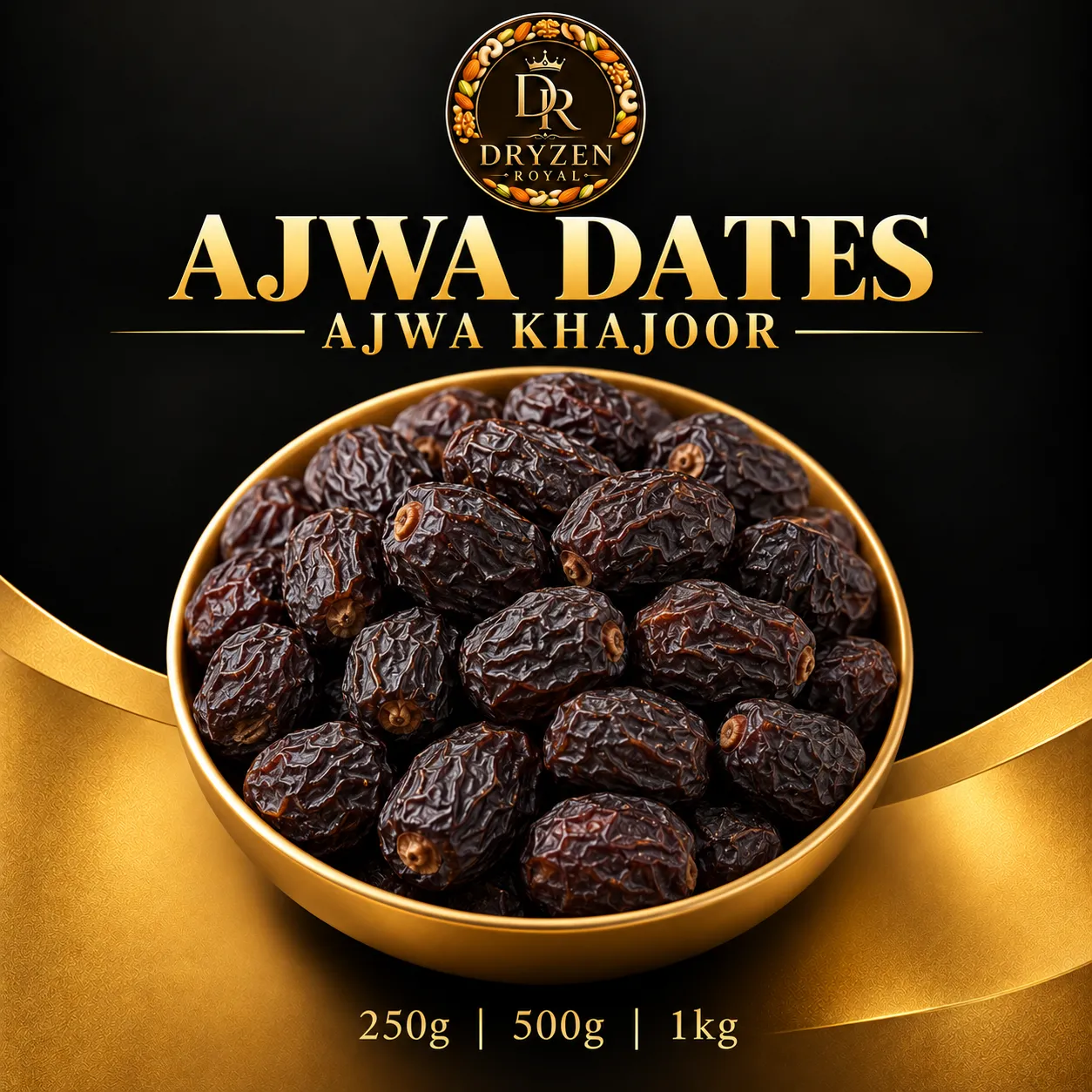
Explore Premium Ajwa Khajoor (Dates) when planning date oat bars. Check the current preparation and pack information, choose the quantity your recipe needs, and keep the remaining dry ingredients stored as directed.
Use the edible weight after removing every pit and checking the fruit.
They change sweetness and absorption. Plain rolled oats are the intended ingredient.
The layers need cooling to settle. Cut only after the tray is fully cool.
No. Dates contain naturally occurring sugars, and this recipe also includes measured added sugar.
Questions about this article?
Email us and we will get back to you.
Explore more
