- 100% Natural
- Premium Quality
- No Preservatives
- Fresh & Healthy
A baked bread-and-custard dessert with small dried-fruit pieces, measured soaking liquid and clear centre-doneness guidance.
Dried fruit bread pudding turns sound, slightly stale bread into a warm baked dessert with custard and small pieces of khubani and raisins. The bread absorbs a measured milk-and-egg mixture before baking. A few exposed edges become golden while the centre should set into a soft, fully cooked texture.
Stale bread is useful because it can hold the liquid, but spoiled bread is not an ingredient to rescue. Check every slice before starting. This method focuses on even bread size, controlled soaking and centre doneness, so a brown top does not hide a raw custard underneath.
Use a baking dish approximately 20cm square with enough depth for the custard. The recipe makes six modest servings. Allow around 25 minutes for preparation and soaking, followed by 35 to 45 minutes for baking.
Plain bread is easier to balance than heavily sweetened or flavoured loaves. If using an enriched bread, expect a richer result. The custard quantity is measured for this bread amount, not for an arbitrarily deep bowl of leftovers.
Inspect the raisins and apricots, remove stems or hard fragments and chop large pieces. Very firm dried fruit may benefit from a brief warm-water soak, followed by thorough draining and surface drying.
Our baking with dried fruit guide explains when softening is useful. Do not pour unmeasured soaking liquid into this custard, because it changes the egg-to-liquid balance.
Use bread that smells normal and shows no mould or other spoilage. Slight dryness is acceptable; an unusual smell or visible mould is not. Do not assume a hot oven makes questionable bread suitable.
Cut the bread into roughly equal cubes. Thick torn chunks can remain dry inside while tiny crumbs dissolve into the custard. A modest size gives an even texture and makes portioning easier.
If the loaf is very fresh and soft, spread the cubes on a tray briefly to lose a little surface moisture. You can dry them gently in a low oven without browning heavily, then cool before adding the custard.
Soft thin crusts can stay on, while very tough crusts may be trimmed for a gentler dessert. Weigh the 250g after any trimming. Removing half the bread after weighing would leave too much custard for the remaining cubes.
Keep any trimming decision consistent when repeating the recipe. Bread type and crust proportion can change absorption enough to affect the final centre.
Beat the eggs and sugar in a bowl until combined. Add the milk, cream, vanilla and optional cinnamon, then whisk gently. You want an even mixture rather than a large layer of foam that obscures the liquid level.
Do not taste the raw egg mixture. If you want to assess sweetness on a future batch, use the cooked result as your reference. A very hot sample or raw custard does not provide a reliable picture of the final dessert.
Grease the baking dish with part of the butter. Arrange the bread and prepared fruit in alternating handfuls so the fruit is not concentrated only at the bottom or around the edges.
Pour the custard slowly over the bread, aiming across the whole dish. Press floating pieces gently with the back of a spoon so they make contact with the liquid. Leave for approximately 15 minutes.
Turn or reposition a few dry-looking cubes if needed. The bread should be moist but not broken into mush by heavy stirring. Some upper edges can remain exposed to develop colour in the oven.
Dot the remaining butter over the surface. If using extra cinnamon, keep it light rather than covering every visible piece. The fruit and custard should remain the main flavours.
If the liquid sits unusually deep above the bread, check the bread weight and dish size before adding more ingredients. If every cube looks dry after the soak, confirm the measured milk and cream were included.
Do not repeatedly add milk until the dish looks like soup. A wetter mixture requires a different setting balance and can remain loose in the middle.
Heat the oven to 175°C conventional or approximately 155°C fan. Place the dish on a middle rack and bake for about 35 to 45 minutes. The top should be golden and the centre should be set rather than slosh as raw liquid.
Check the middle, not just a crisp edge. A small knife inserted near the centre should not release uncooked custard. If the top colours early, cover loosely with foil while the inside finishes.
Dish depth and material affect the time. A deep ceramic dish may heat differently from a shallow metal tin. Add time in small increments and keep checking the centre instead of assuming one exact minute applies to all equipment.
Leave the dish on a heatproof surface for approximately ten minutes. This allows the custard to settle and makes portions easier to lift. Serve warm, with any additional cream or sauce offered separately.
A little plain yogurt can provide contrast if desired, but it is not needed for the recipe to work. Avoid adding a thick sweet topping before tasting a serving. The bread, fruit and custard already form a complete dessert.
For another khubani bake with a firmer sliceable base, see our dried apricot crumble bars. That recipe uses a crumb base and a cooked filling rather than an egg custard.
If the base is watery, review the custard proportions, centre cooking and fruit drainage. More surface browning does not necessarily solve an undercooked middle. A shallower suitable dish can make the next batch easier to monitor.
If the surface is too hard, the bread may have been very dry or too exposed, or the bake may have been prolonged. Ensure the cubes contact the custard during soaking and cover loosely if the top finishes early.
If the finished dessert tastes too sweet, reduce a small amount of sugar on a later batch rather than changing the egg or liquid quantity. Those ingredients also establish the custard’s structure.
Cool leftovers promptly in suitable shallow containers and refrigerate at 4°C or below. Reheat only the amount needed until thoroughly hot throughout. Do not repeatedly warm the entire dish for one serving.
Identify wheat, eggs and milk when sharing, and check the bread and dried-fruit labels for additional ingredients. Freeze suitable portions for a longer reserve, accepting that the texture can change after thawing.
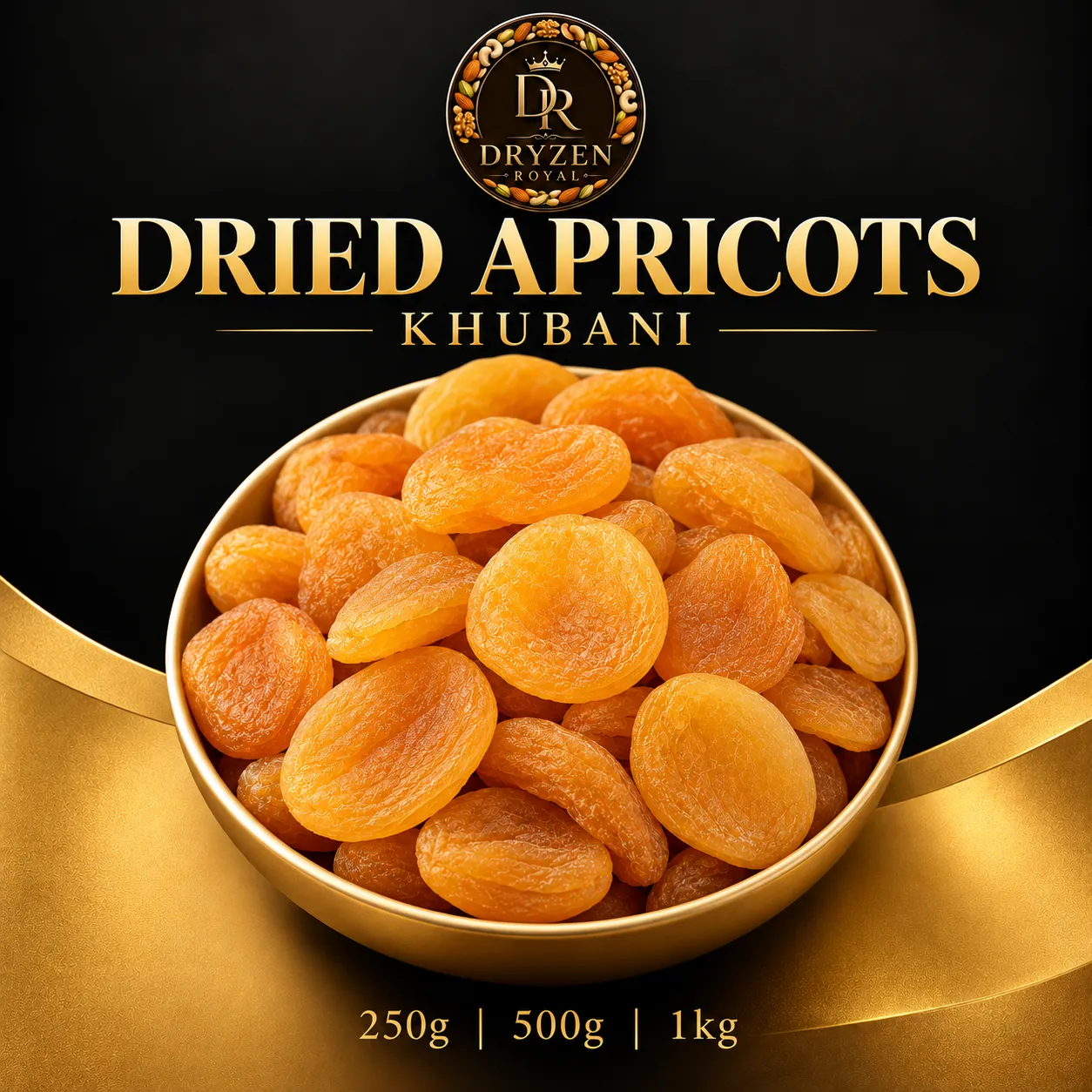
Explore Dryzen Royal Dried Apricots for your next dried fruit bread pudding. Measure the usable fruit, cut it small and keep the remaining dry khubani away from the wet custard preparation.
No. Use sound bread only. Stale texture is different from spoilage, and mouldy bread should not be used in the dessert.
They may be too large or may not have had enough contact with the measured custard. Press gently during the soaking stage.
No. The custard should be set and fully cooked in the centre, not raw liquid hidden under a browned surface.
It creates a different dessert with a different sugar and fat balance. Do not substitute blindly by equal weight.
Questions about this article?
Email us and we will get back to you.
Explore more
