- 100% Natural
- Premium Quality
- No Preservatives
- Fresh & Healthy
A practical reading order for dry-fruit packs, helping you separate product descriptions from the details needed to compare and choose.
Dry fruit labels are easier to use when you read them in a consistent order: product identity, ingredients, edible quantity, nutrition information if supplied, and storage details. Start with what the pack actually contains before deciding whether a large front-of-pack claim matters to your purchase.
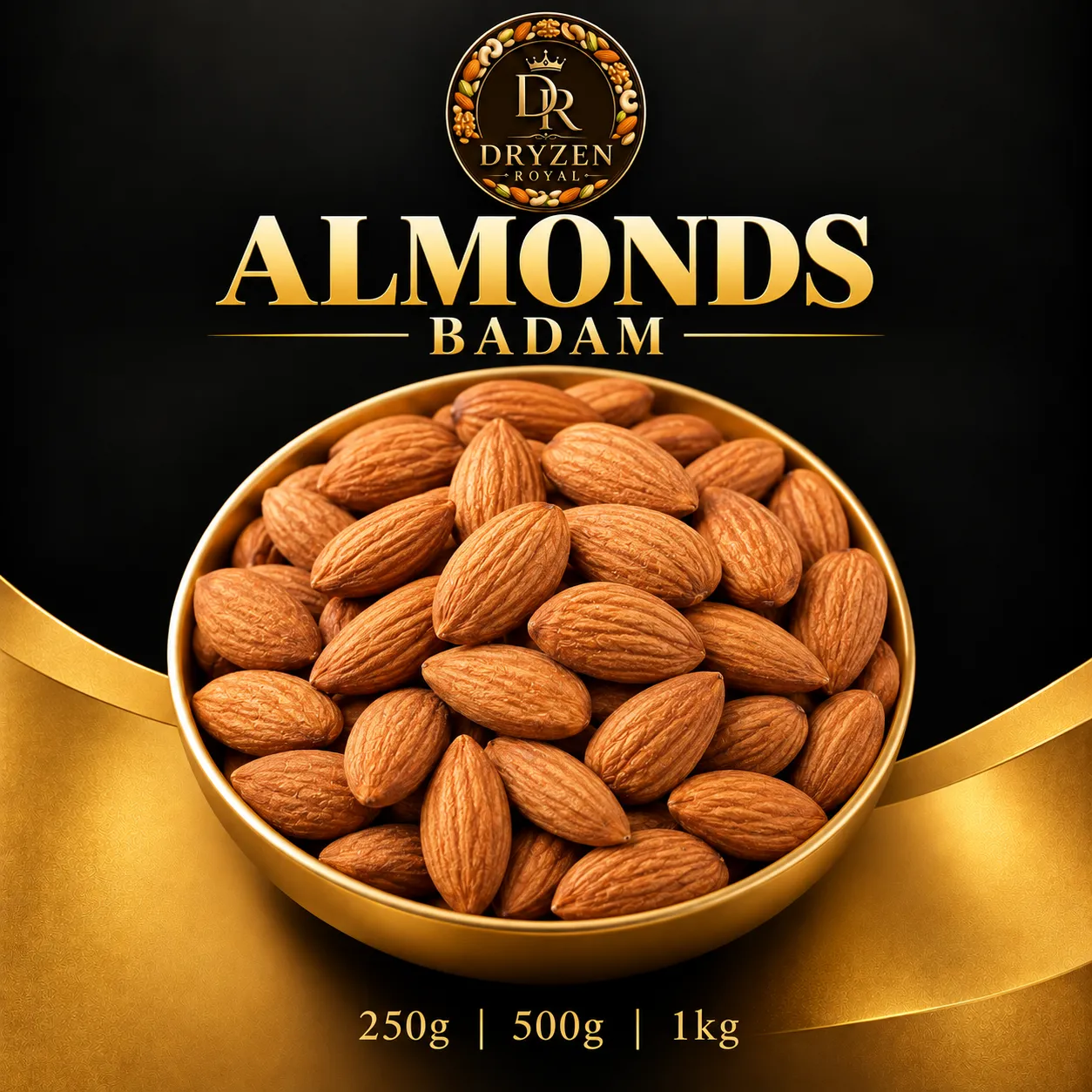
This is a practical shopping guide for comparing products, including those sold in Pakistan. Label formats differ by market and manufacturer. The checklist below helps you ask useful questions; it is not a statement that every pack must use one particular country's layout.
Check the exact food and preparation. Whole almonds, sliced almonds, roasted cashews and seasoned cashews can serve different purposes even when they appear beside each other in a store. A gift box may also contain chocolate, coconut or other ingredients beyond the dry fruit named prominently on the front.
Look for whether nuts are shelled or in-shell and whether dried fruit is pitted. Those details affect preparation and edible yield. A picture of an open nut or a cut date should not replace a written description.
If names are unfamiliar, our dry fruit names in Urdu and English can help connect terms such as badam, kaju, pista and kishmish with the product you want.
A product may be plain, salted, sweetened, flavoured or coated. Check the ingredient list for that distinction rather than assuming all versions of a nut or dried fruit contain the same additions.
Terms such as premium or luxury describe positioning and presentation; they do not provide an ingredient list. Similarly, a picture of plain nuts does not tell you whether a seasoning has been added. If the online listing is incomplete, ask for the current pack information before buying.
For a mixed product, look for a clear description of the components. If the relative quantities matter to your decision, ask whether they are specified. An assortment name alone may not tell you how much of each ingredient you receive.
Edible net weight is different from shipping weight. A gift parcel may include a wooden box, jars, padding and an outer carton. Compare the food quantity separately when assessing value.
For ordinary packs, converting prices to the same weight can help. Divide the price by the pack weight in grams, then multiply by 100 to calculate price per 100 g. Use current prices and include any relevant extra costs when comparing the complete purchase.
For example, a hypothetical 250 g pack costing PKR 900 works out at PKR 360 per 100 g. A hypothetical 500 g pack costing PKR 1,600 works out at PKR 320 per 100 g. These are arithmetic examples, not Dryzen Royal prices. Our price-per-100 g guide explores the comparison further.
Before comparing any nutrient amount, check whether the figure is per serving, per 100 g or per pack. Two numbers cannot be compared directly if their reference quantities differ.
The FDA's guide to the US Nutrition Facts label explains that values on that label generally refer to the stated serving and that serving size is not a recommendation of how much to eat. Use the same careful reading habit on other label formats while checking their stated basis.
If a pack lists several servings, do not assume the panel describes the whole bag. If nutrition information is missing, do not copy numbers from a different brand or a different preparation and treat them as verified values for that product.
Check ingredient and allergen information for the complete product, including flavourings, coatings and mixed components. When shopping for someone with a food allergy, confirm the details they need rather than deciding suitability from the visible nuts alone.
The FDA's food allergy guidance provides background on why accurate food information matters. It describes US requirements; ask the seller about the actual product and its handling when you need clarification.
Read the wording beside any date rather than treating every printed number as an expiry date. Follow the product's instructions for unopened and opened storage. If a date or instruction is unclear, ask the seller before relying on your own interpretation.
Keep the original label or a clear photograph if you transfer food into another container. Include the product name and batch details where provided. This makes it easier to identify the contents and contact the seller about a specific purchase.
Browse Dryzen Royal almonds and compare the available pack options using this checklist. Reading dry fruit labels carefully helps you choose from the information that describes the food itself.
No. Shipping weight may include the presentation box, jars and transit packaging. Ask for the edible net weight.
First put them on the same weight basis. A per-serving figure and a per-100 g figure are not directly equivalent.
Ask the seller for current ingredient, quantity and storage details, plus any information needed for your dietary requirements.
Questions about this article?
Email us and we will get back to you.
Explore more
