- 100% Natural
- Premium Quality
- No Preservatives
- Fresh & Healthy
Learn dry fruit portion weighing with clear tare, edible-weight and transfer checks. Measure recipe and serving quantities without guessing from a cup.
Dry fruit portion weighing is a practical way to prepare recipes, divide a pack or organise serving containers. It does not determine the ideal amount for every person to eat. The useful skill is measuring the intended ingredient on the correct basis.
A kitchen scale can reduce guessing, but its display and setup still need attention. Container weight, units and shells can all change the number without changing the amount of usable food you intended.
Check whether the recipe uses grams or kilograms. One kilogram is 1,000g, and 0.25kg is 250g.
Keep units consistent across a worksheet. A number copied without its unit can produce a much larger error than a small variation in one nut piece.
Use a scale with suitable capacity and readability for the task. Display resolution alone does not prove accuracy; follow the manufacturer's guidance.
Use a clean dry level location away from objects touching the weighing bowl. Keep the scale within its stated capacity.
Check batteries or power and allow the display to settle. A bowl leaning against a wall or another object can interfere with the reading.
Do not immerse electrical equipment or use an unsuitable cleaning method. Keep liquids away from the controls.
Put the clean dry bowl on the scale and use tare as instructed. The display should return to the appropriate zero reading.
Add the ingredient gradually. A large pour can overshoot the amount and make it harder to keep the unused reserve clean.
If tare is unavailable, weigh the empty container separately and subtract that weight from the combined total. Keep the arithmetic written down if several portions are involved.
A box, liner, ribbon and lid are not edible ingredient weight. If weighing a gift, decide exactly which quantity you are trying to state.
Do not copy a filled-box number from a different product simply because the compartments look similar.
Our price-per-100g guide shows why a consistent weight basis also matters when comparing purchases.
If the recipe asks for pistachio kernels, remove shells before measuring the required amount. For pitted dates, remove pits and hard material first.
A fixed universal conversion from in-shell weight is unreliable across every product. Use reliable product-specific information or measure the actual prepared portion.
Keep waste in a separate container so shells are not accidentally counted back into the ingredient.
For five containers of 50g each, the intended total food quantity is 250g. Tare each container appropriately rather than assuming all empty tubs weigh exactly the same.
Add in rounds and check the last portion. If the total does not fit your starting pack, review the weights and any transfer loss before inventing a new pack quantity.
Do not press one container tightly full while leaving another loose and call them equal based on appearance.
A dry raisin weight is different from the same fruit after soaking because water changes mass. Measure at the stage the recipe states.
Chopped and whole nuts can occupy different volumes even at the same weight. A cup is not a universal grams conversion.
Our recipe scaling guide explains how measured amounts fit a larger batch calculation.
Use a clean dry utensil and check that the intended amount actually reaches the mixing bowl. Sticky fruit left in the weighing container can change the recipe.
Do not return a portion touched by wet batter tools to the dry reserve. Keep measured working ingredients separate until combined.
A small flexible food-safe container can help transfer loose seeds, but choose equipment suitable for the task rather than improvised dirty paper.
Check units, tare, capacity and whether anything touches the bowl. Repeat a simple measurement as the manufacturer allows.
If accuracy is important, use the recommended checking or calibration process with an appropriate reference. Do not assume an arbitrary household object has a certified weight.
Record the scale and preparation used when comparing recipes. That is more informative than deciding a recipe is wrong from one unexplained reading.
A weighed amount is a measurement, not a medical or nutritional prescription. Do not attach unsupported calorie or treatment claims.
Retain product labels and keep ingredients identifiable for anyone sharing. A mixed portion still contains its actual components.
Close reserve packs and clean and dry equipment appropriately after use. Reliable measurement and suitable storage work together rather than replacing one another.
Choose a suitable scale and identify whether the recipe needs whole, shelled or pitted weight. Keep this preparation separate from the unused ingredient packs. Put measured amounts in small bowls so a pause or interruption does not lead to the same ingredient being added twice. Retain the original labels when ingredients are transferred into other containers.
Prepare a clean dry container and tare before adding the ingredient. Check the equipment and available space before starting the stage that needs continuous attention. A short written order of tasks can prevent a cooked component waiting unnecessarily while another is still being prepared. Use the stated texture cues alongside the clock.
Recheck the displayed unit and transfer amount before combining components. Make the smallest practical adjustment, combine it fully and reassess before adding more. Keep a note of the quantity actually used and the preparation of the source product. This gives the next batch a clear reference instead of several simultaneous changes.
Keep measured working portions separate from labelled untouched reserves. Separate the working amount from the untouched reserve and choose packaging that suits the prepared food. A dry ingredient and a dish made from it can have different storage requirements. Keep serving utensils clean and ingredient information accessible to anyone sharing.
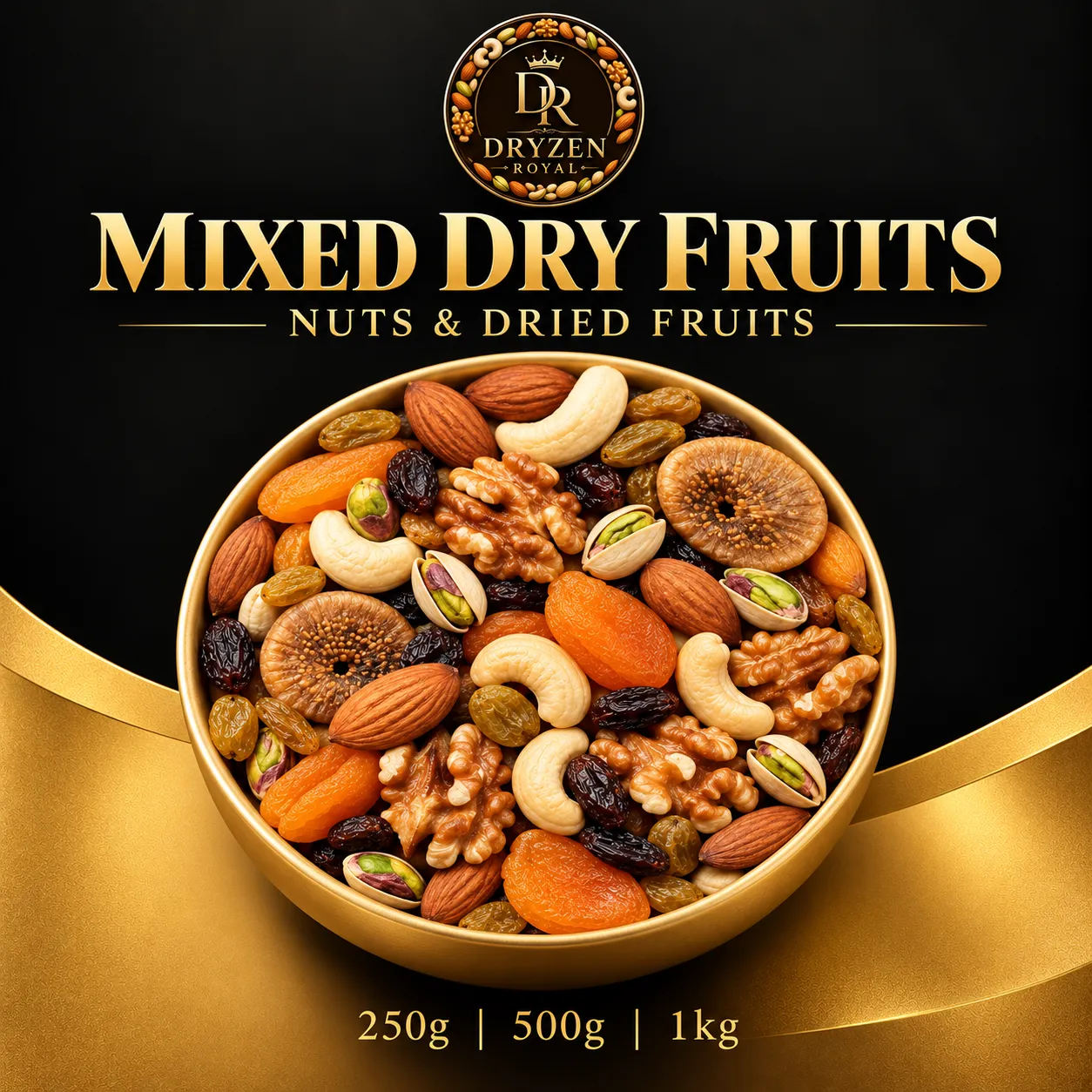
For ingredients for dry fruit portion weighing, view Mixed Dry Fruits & Nuts. Review the current product details and choose a pack that fits your cooking or gifting plans.
No. Ingredient size, shape and how the scoop is filled change the amount.
Use the tare function or subtract the empty container weight.
No. This guide explains preparation measurement, not a personal intake target.
No. Use the weight basis required by the recipe and account for shells or pits.
Questions about this article?
Email us and we will get back to you.
Explore more
