- 100% Natural
- Premium Quality
- No Preservatives
- Fresh & Healthy
Individual savoury cheese souffles with small dried-fig pieces, built on a cooked white-sauce base.
Fig cheese souffle combines a savoury cheese-and-egg base with small pieces of dried anjeer. Beaten whites lighten the mixture, which rises in individual ramekins and is served promptly. The fruit is a modest accent rather than a thick sweet filling, making the dish suitable as a small starter with salad.
A souffle will settle after leaving the oven. The useful goal is a cooked, airy centre and a pleasant texture, not a promise that it stays tall indefinitely. Fig cheese souffle is best planned for a meal where diners are ready before the ramekins finish baking.
Use four ovenproof ramekins of about 180 ml capacity. Allow thirty minutes for preparation and twenty to twenty-five minutes for baking. You need a saucepan, whisk, two mixing bowls and a flat tray. A food thermometer can help check that the egg mixture is cooked.
Prepare the ramekins before beating whites. Grease the inside lightly with butter and dust with a little finely grated cheese or breadcrumbs, depending on your preference. Account for wheat if using crumbs. The sides should have a thin coating rather than a thick layer.
Choose cheese that grates and melts reasonably rather than a wet fresh cheese sitting in brine. Saltiness varies, so taste the cooked sauce before adding egg. The recipe contains dairy, wheat and eggs, and the fig pieces do not remove those considerations.
Open each fig and inspect the inside, removing tough stalks. If firm, soften briefly in warm water, then drain and pat dry. Cut into pieces around 3 mm so they distribute without weighing down one section of the mixture.
Large fig chunks can sink or interrupt the delicate spoon texture. Do not replace them with an unmeasured spoonful of jam, which adds a different moisture and sugar balance. Keep the fruit prepared before starting the sauce so the base does not sit cooling while you chop.
Melt butter over low heat in the saucepan. Stir in flour and cook for a minute without deep browning. Add milk gradually, whisking smooth after each addition. Simmer gently for two to three minutes until thick and cooked.
Remove from the heat and stir in cheese and pepper. Taste now, before raw egg is added, and use only as much salt as needed. Let the base cool until warm rather than hot. A scalding sauce can cook yolks in lumps and weaken the later folding stage.
Stir the yolks into the warm sauce one at a time. Fold in prepared figs and optional herbs. The mixture should be thick but spreadable. If it is very stiff, a small spoonful of milk can loosen it, but do not turn it into a thin sauce.
Set aside briefly while preparing whites. Keep the bowl away from direct heat. Fig cheese souffle needs a base that can accept foam without requiring forceful stirring. A smooth, warm mixture is easier to lighten than a cold rubbery lump.
Use a clean grease-free bowl and beaters. Whisk whites until they hold firm peaks but are not dry and clumpy. A little yolk contamination can interfere with the foam, so separate eggs carefully into a small bowl before transferring.
Do not add sugar; this is a savoury souffle. The structure comes from the egg whites and cooked base, not a sweet meringue. Stop to check the peak near the end rather than leaving the mixer unattended until the whites become overbeaten.
Stir one spoonful of whites into the cheese base to loosen it. Then fold in the remaining whites in two additions, sweeping from underneath and turning the bowl. Keep movements gentle but complete so there are no large unmixed streaks at the bottom.
Fig cheese souffle should remain airy, but under-mixing can leave patches of plain egg white. The aim is an even lightened mixture without repeated beating. Stop once combined and divide promptly among the prepared ramekins.
Heat the oven to 190°C conventional or about 170°C fan before the final folding stage. Fill ramekins around three-quarters full and level lightly. Put them on the tray and move into the oven without a long wait.
Bake for twenty to twenty-five minutes until risen, golden and set enough that the centre is not liquid. An egg mixture should reach 71°C. Avoid opening the door repeatedly early in baking, which can disturb the developing structure.
Put each hot ramekin on a plate with a warning that the vessel is hot. Serve with a small crisp salad or a little bread. Do not surround it with a large wet sauce that makes the meal feel heavy and distracts from the airy texture.
Fig cheese souffle will begin settling as it cools. That is expected. Bring the plates out promptly rather than delaying for a perfect photograph. The eating quality matters more than maintaining a dramatic height for a long period.
Prepare the salad and table before folding whites. Guests should be ready when the timer approaches its finishing window. If the meal needs flexible timing or long holding, choose a different starter rather than trying to keep souffles warm for an hour.
You can prepare the white-sauce base and fruit earlier, refrigerating appropriately, then bring the base back to a suitable workable temperature before adding freshly beaten whites. Do not hold a fully folded foam for a long period and expect the same rise.
A heavy centre may reflect overmixed whites, a very stiff base or insufficient baking. A few large fig pieces can also create dense pockets. Identify the likely cause before adding more eggs or raising the oven temperature next time.
If the surface browns too quickly, the oven may be hotter than indicated or the ramekins too close to the top. If the mixture overflows, the cups were overfilled. Record their actual capacity, not just the number used.
For the best texture, make the amount needed for immediate serving. Refrigerate any cooked leftovers promptly and use within two days as a conservative household plan. Reheat until thoroughly hot, with 74°C as a useful target, accepting that the airy structure will not return exactly.
Fig cheese souffle is a technique-led dish: tender fruit, smooth sauce, properly beaten whites and prompt baking. This individual bake becomes more dependable when those stages are organised before the foam is made, rather than corrected after the ramekins have already lost their lift.
For a separate poached-cheese preparation with a different structure, explore fig ricotta dumplings. Use planning preparation and serving to organise the short serving window.
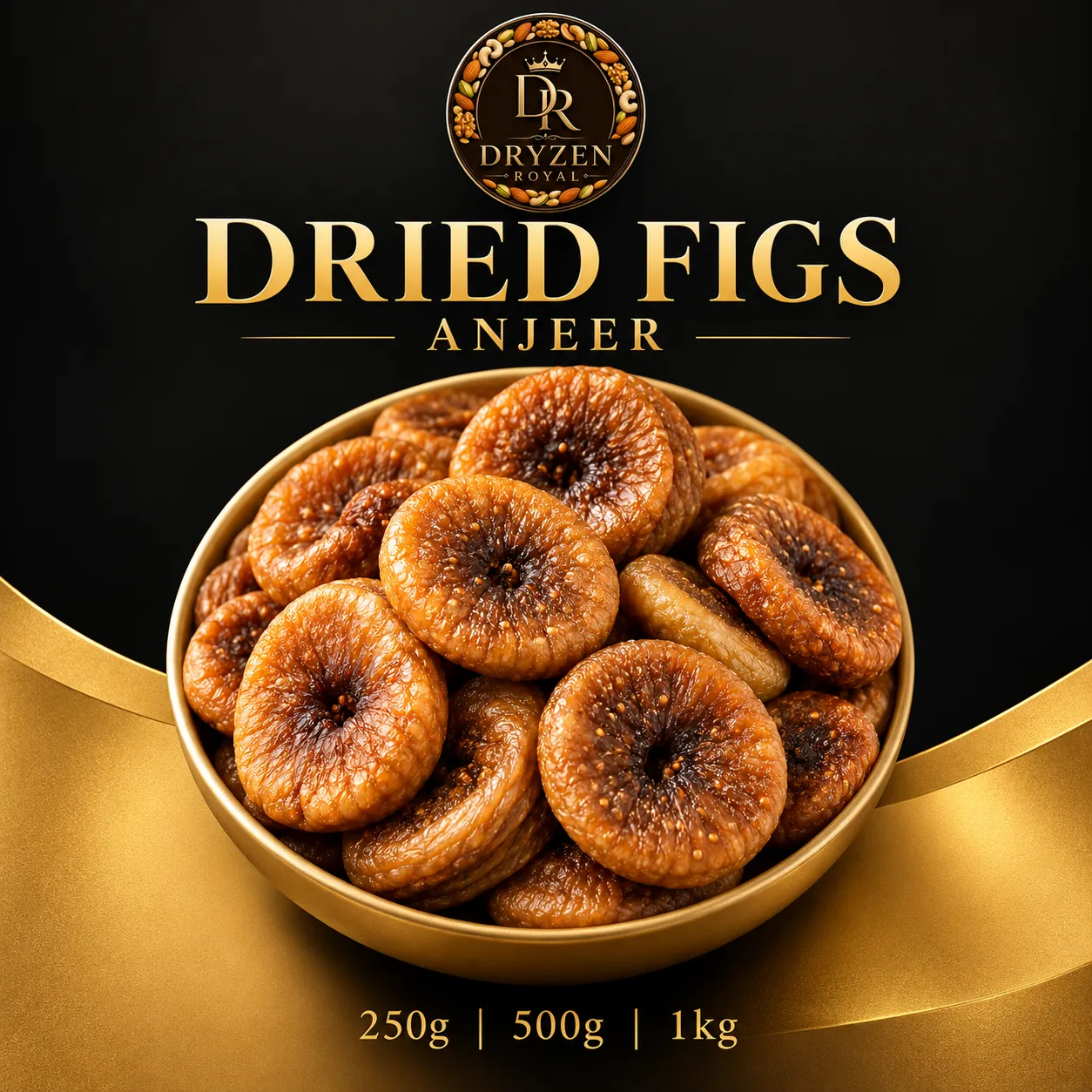
Explore Dried figs at Dryzen Royal and choose anjeer for thoughtful savoury as well as sweet recipes.
No. Some settling is normal; serve promptly for the lightest texture.
Not in this formula. Jam changes moisture and sweetness, so use small prepared fruit pieces.
A very hot base can cook the yolks in lumps and make later folding more difficult.
Bake it promptly. A long wait lets the foam lose structure and makes the result less predictable.
Questions about this article?
Email us and we will get back to you.
Explore more
