- 100% Natural
- Premium Quality
- No Preservatives
- Fresh & Healthy
Bake fig ginger loaf with chopped anjeer and a measured spiced batter. Follow fruit preparation, pan-depth and cooling cues for a sliceable tea cake.
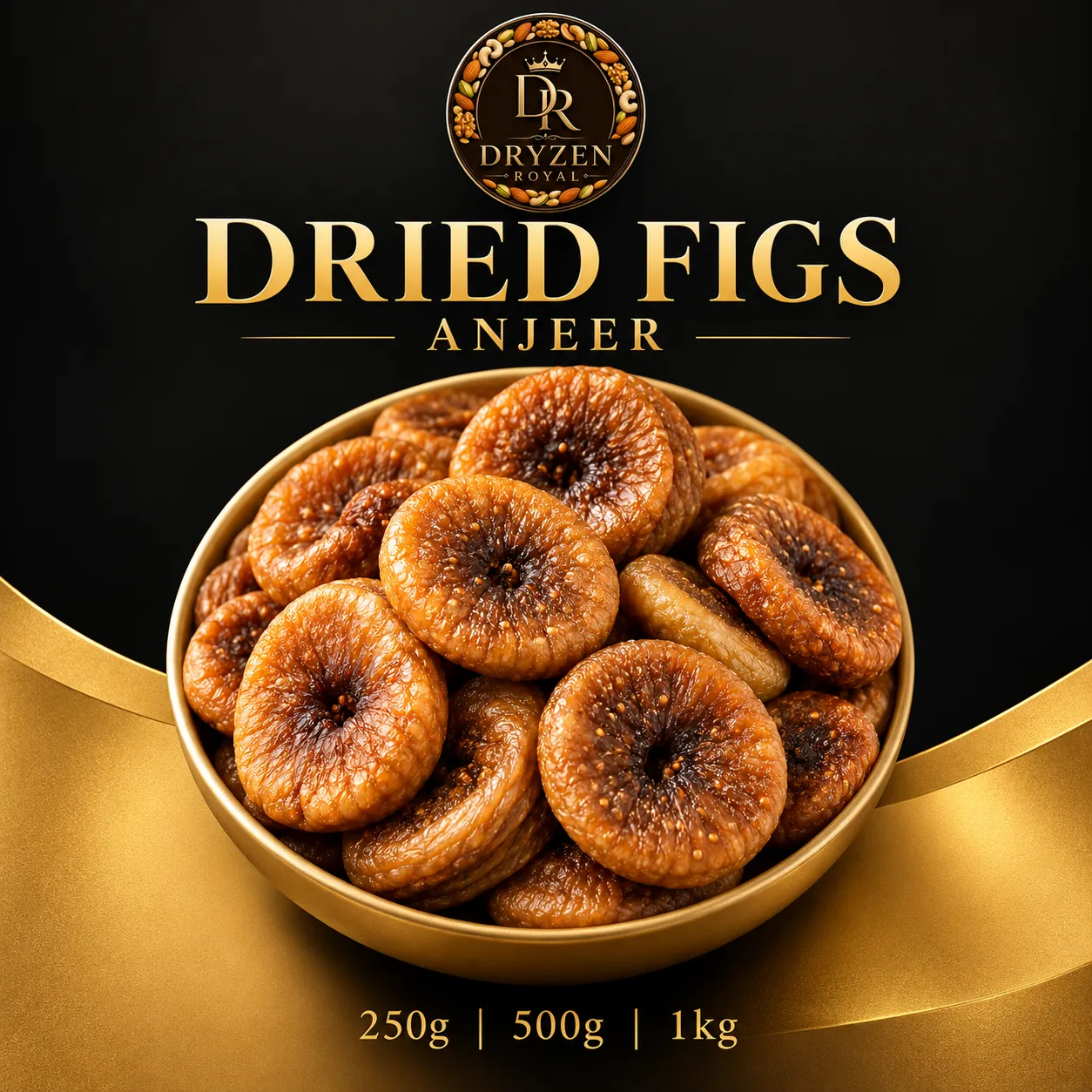
Fig ginger loaf combines small anjeer pieces with a warm ginger aroma in a simple tea cake. It is a sweet loaf, unlike a fermented fig focaccia or a jarred spread. The fruit should be small and pliable enough to sit evenly through the crumb.
This recipe uses oil for a straightforward mixing method. Prepare the tin before combining wet and dry bowls, and allow full cooling before judging the slice. A hot fruit-rich loaf can tear even when baked correctly.
Use a tin around 21cm by 11cm. Allow twenty minutes to prepare and forty-five to fifty-five minutes to bake.
Check the ginger product and measure rather than pouring directly from the jar. Strong spice can overwhelm a small loaf.
Cut open and inspect each fig. Remove firm stems and chop evenly. If very dry, soften briefly in warm water, drain well and surface-dry.
Do not carry unmeasured soaking water into the batter. The milk and eggs already supply measured liquid.
Our anjeer guide explains the ingredient more broadly. Keep wet prepared fruit separate from the source pack.
Heat the oven to 175°C conventional or around 155°C fan. Grease and line the tin.
Whisk flour, baking powder, spices and salt. In another bowl combine eggs, sugar, oil and milk until even.
Stir chopped figs into the wet mixture, then fold in the dry ingredients. Scrape the base and stop when loose flour disappears.
The mixture should be spoonable, not a stiff biscuit dough. Check all measured liquids before adding more.
If fruit clumps together, separate gently rather than beating the batter for a long time. Large sticky clumps create uneven sweetness and difficult cuts.
Transfer to the tin and level the surface so one end is not substantially deeper.
Bake on the middle shelf and begin checking around forty-five minutes. A skewer should emerge without raw batter from the thick centre.
Dark fruit can make colour less reliable. Cover loosely if the top browns while the centre still needs time.
Record tin material and actual bake duration. A shallow wide pan behaves differently from a narrow deep loaf.
Rest in the tin for around fifteen minutes, then lift carefully to a rack. Allow steam to escape from underneath.
Cut with a sharp serrated knife once fully cool. Avoid pressing down heavily around a large fruit piece.
For a different anjeer bread texture, our fig focaccia uses yeast, olive oil and a savoury topping approach.
If the loaf is dry, check flour measurement and baking time before adding a thick syrup. If gummy, review centre doneness and excess soaking liquid.
If ginger dominates, reduce the measured spice on the next trial. Adding more sugar does not necessarily restore the fruit balance.
Keep a small notebook entry with fruit preparation and milk quantity. That gives a useful reference when a different fig pack behaves differently.
Cool before covering. Refrigerate under suitable conditions and freeze wrapped slices for a longer reserve if desired.
Identify wheat, eggs and milk, plus any additional product ingredients. Do not taste raw batter or claim nutrition values that were not established for the actual recipe.
Keep the dry fig reserve closed while wet preparation is underway, and use clean utensils for the finished loaf.
Open and inspect figs before weighing the usable chopped fruit. Weigh and inspect before starting the hot stage, then close the source packs. Small prepared bowls reduce interruptions and make accidental double additions less likely. If you pause midway, mark which ingredients have already entered the mixture.
Prepare the lined tin and oven while very firm fruit softens and drains. Allow the component that needs cooling or resting to begin first. Keep the next piece of equipment ready so the transition is controlled. The clock is useful for planning, but the stated texture and appearance remain the more important cooking cues.
Check the thick centre of the loaf rather than relying on the dark fruit-coloured surface. Make one measured correction, mix thoroughly and reassess. A small test portion helps prevent an irreversible adjustment across the whole recipe. Keep notes on the preparation used, because a different product or pan can explain a different result.
Cool fully on a rack and wrap reserve slices separately for later servings. Plan the serving container and storage space before making a larger batch. Do not assume twice the ingredients fit safely into the same pan or cool in the same time. Protect the reserve from repeated handling and label any transferred food clearly.
Keep one end slice and one central slice for a useful first-batch comparison after cooling. The edge receives heat differently from the centre, so a dry heel does not necessarily mean the entire batter needs more liquid. Check both before making a broad adjustment.
If preparing for guests, bake early enough for complete cooling and tidy cutting. A loaf rushed from oven to plate can appear gummy or fragile even when it would settle well with time.
For the next batch, record prepared fig weight after stems were removed and whether softening was used. A different pack can need different preparation, while the flour and milk quantities remain a useful controlled starting point. Avoid changing spice, sugar and liquid simultaneously after only one trial.
Explore Dried Figs (Anjeer) when planning fig ginger loaf. Check the current preparation and pack information, choose the quantity your recipe needs, and keep the remaining dry ingredients stored as directed.
Remove the firm stems and inspect each fruit before chopping.
Small pliable pieces distribute and slice more comfortably. Soften very hard fruit first and drain.
Check the measured spice and fruit preparation, then adjust modestly on a later trial.
The crumb settles during cooling and is less likely to tear around the fruit.
Questions about this article?
Email us and we will get back to you.
Explore more
