- 100% Natural
- Premium Quality
- No Preservatives
- Fresh & Healthy
Chicken breast rolled around a restrained fig, walnut and cheese filling, with temperature checked through the centre.
Fig stuffed chicken roulade rolls chicken breast around a small anjeer, walnut and cream-cheese filling. It is baked as a compact roll, rested and sliced so each portion shows the centre. The filling is deliberately restrained, helping the chicken close securely and cook evenly.
The safety check must include the middle of the roll and stuffing, not only an exposed chicken edge. A browned surface does not establish that a thick filled centre is ready. Fig stuffed chicken roulade is easiest to manage when the chicken is flattened evenly and the filling is divided before rolling.
The recipe serves four with vegetables or another side. Allow thirty minutes for preparation and twenty-five to forty minutes for baking, depending on thickness. You need a separate raw-poultry board, suitable meat mallet or rolling tool, food-safe covering for flattening, kitchen string and a thermometer.
The filling contains walnuts and dairy. Do not describe a sliced roll simply as chicken and fruit if guests need the full ingredient list. Check cream cheese and spice labels too. The recipe uses no assumption about a particular meat source's certification; choose ingredients suitable for your household.
Open figs, inspect the inside and remove hard stalks. If firm, soften briefly in warm water, then drain and dry thoroughly. Chop into small pieces around 4 mm.
Mix with finely chopped walnuts, cream cheese and thyme. The filling should hold a soft mound without free liquid. Divide into two portions and refrigerate while preparing chicken. Keep a clean utensil for this bowl before raw poultry enters the work area.
Use a careful butterfly cut to open each breast like a book without cutting fully through the hinge. Cover with suitable food-safe material and flatten gently to around 1 cm thick, avoiding torn thin edges.
Work on the dedicated raw-food board. Do not wash raw chicken in a way that splashes the kitchen. Clean hands, tools and surfaces appropriately after preparation. The goal is an even sheet that can roll, not a ragged very thin patch around a thick centre.
Season the chicken lightly. Put one filling portion along the centre of each opened breast, leaving a clear edge. Do not spread to every corner or add extra because the meat looks spacious.
Roll from one side over the filling, tucking gently. The chicken should enclose the centre without a large exposed gap. Fig stuffed chicken roulade is more dependable with a modest compact filling than a heavy mound forced into an undersized breast.
Use suitable kitchen string to secure each roll at intervals, firm enough to hold shape but not so tight that filling squeezes out. Avoid materials not intended for cooking. Count or note the ties so they can be removed before slicing.
If using toothpicks instead, keep track and remove them before serving, but string can make a more even roll. Do not leave hidden sharp pieces in a finished slice. The closure is a cooking aid, not part of the meal.
Heat the oven to 200°C conventional or about 180°C fan. Put rolls seam-side down in a shallow roasting dish. Brush with measured oil and optional paprika. Leave space between them for heat circulation.
Bake for twenty-five to forty minutes, beginning checks earlier for smaller rolls. The exact time depends on diameter, starting temperature and oven. Do not rely on the outside turning white or golden as the only test.
Insert a food thermometer into the thickest part, reaching the filling zone without resting against the dish. Chicken and the stuffed centre should reach 74°C. Check more than one point where practical.
If the surface colours early while the middle is below target, cover loosely with foil and continue. A roll that is very thick may need more time than the recipe window. Next time, flatten more evenly or make smaller rolls rather than raising heat sharply.
Let cooked rolls rest for five to ten minutes on a clean surface. Use clean tongs and a plate that did not hold raw chicken. The filling and juices settle, making slices easier to support.
Remove all kitchen string or toothpicks before cutting and serving. Do not rush this stage because the outside looks ready. Fig stuffed chicken roulade should be easy to eat without the diner discovering a cooking tie inside a slice.
Use a sharp knife and gentle sawing motion if needed through walnuts. Make slices around 2 cm thick and support with a broad server. A very thin slice can collapse even when the roll is properly cooked.
The pattern will vary naturally. Some fig pieces may sit closer to one side. A clear cooked centre and secure portions matter more than a perfectly identical swirl. Keep the serving board separate from the earlier raw-poultry work.
Offer fig stuffed chicken roulade with roasted vegetables, plain potatoes or a crisp salad. The filling already provides sweetness and richness, so another thick sweet glaze is optional rather than necessary.
A small spoon of pan juices can be used if properly cooked and handled, but do not pour raw marinade or leftover raw-contact filling over finished slices. Keep any separate sauce in a clean serving bowl.
Prepare filling earlier and refrigerate promptly. Assemble chicken under refrigeration and cook within a suitable same-day plan rather than leaving rolls on the counter while other dishes finish.
For guests, have sides ready before the final centre check. Keep cooked food appropriately hot if briefly waiting, or refrigerate promptly after the meal. Do not leave a filled poultry roll lukewarm through a long event.
Refrigerate leftovers promptly in shallow covered portions and use within two days as a conservative household schedule. Reheat until thoroughly hot through chicken and filling, using 74°C as a useful thermometer target.
A little moisture and a cover can help prevent drying, followed by a brief uncovered finish if wanted. Repeated reheating can dry breast meat while the filling remains dense, so portion before storage.
A dry outer layer with an underheated centre suggests an uneven or very thick roll. A leaking centre may reflect overfilling, wet figs or loose closure. A gritty bite may come from large walnut pieces. Those problems need different corrections.
Fig stuffed chicken roulade becomes dependable when the filling is dry enough to mound, the chicken is even and the centre is checked with a thermometer. This filled chicken roll rewards those preparation stages more than a dark surface or an oversized decorative filling.
For a separate pan-style fruit-and-chicken meal, explore dried apricot chicken. Use walnut pieces for fillings when choosing the optional filling texture.
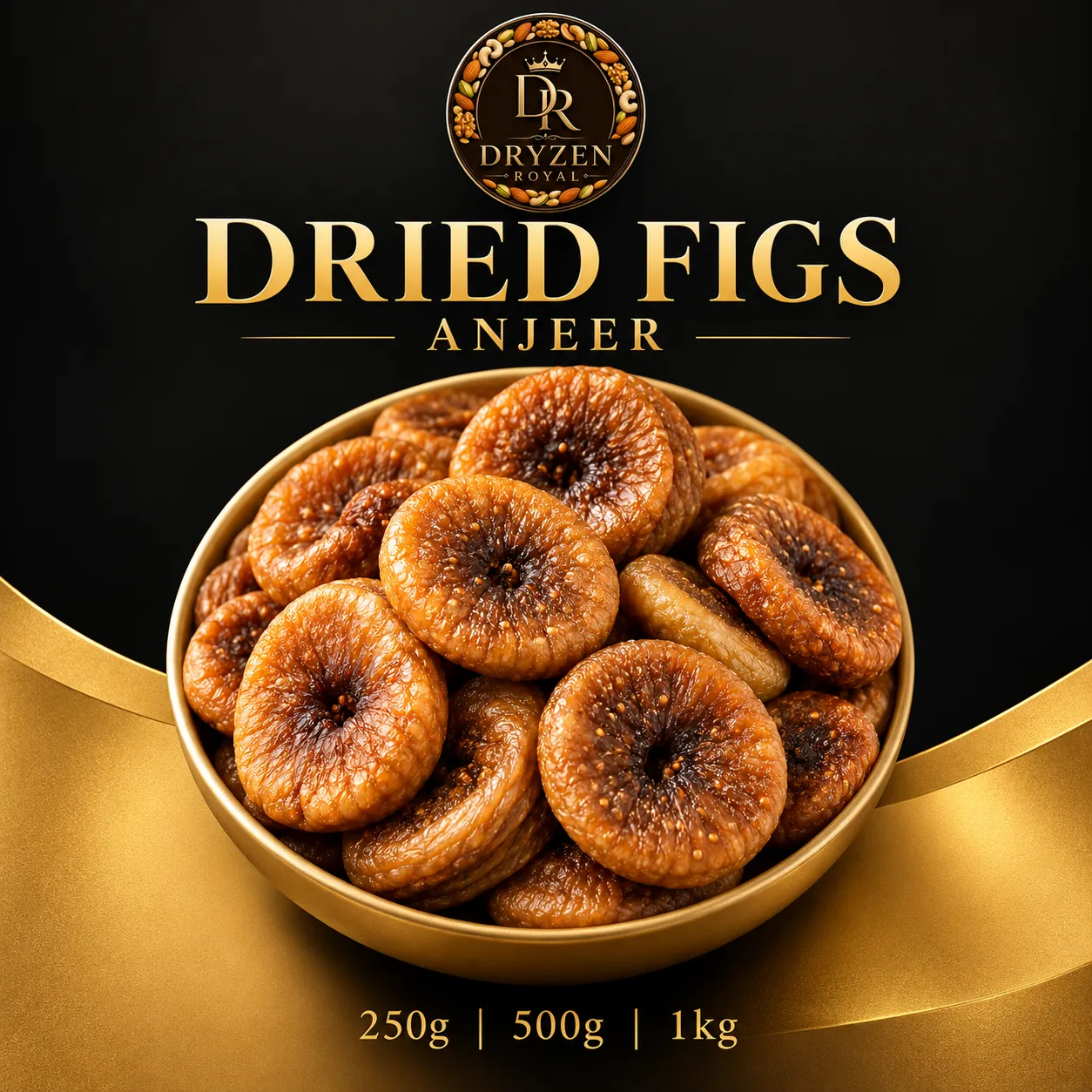
Explore Dried figs at Dryzen Royal and choose anjeer for a measured savoury stuffing.
Check the thick centre and stuffing as well; both should reach 74°C.
It helps the chicken close without pushing fruit and cheese out through the seam.
Use a clean plate and utensils, or clean the original items properly before reuse.
After a brief rest and before slicing or serving; account for every tie.
Questions about this article?
Email us and we will get back to you.
Explore more
