- 100% Natural
- Premium Quality
- No Preservatives
- Fresh & Healthy
Make homemade nut butter with almonds or cashews. Learn equipment checks, blending stages, flavour ideas and ways to troubleshoot a dry or grainy spread.
Homemade nut butter lets you choose the nuts, control added ingredients and make a spread that suits your own taste. Almonds bring a more pronounced toasted flavour, while cashews make a milder base. The most important choice is your equipment: a machine designed only for liquid drinks may struggle with a thick nut paste. This guide explains the process, the common sticking points and how to use the finished spread.
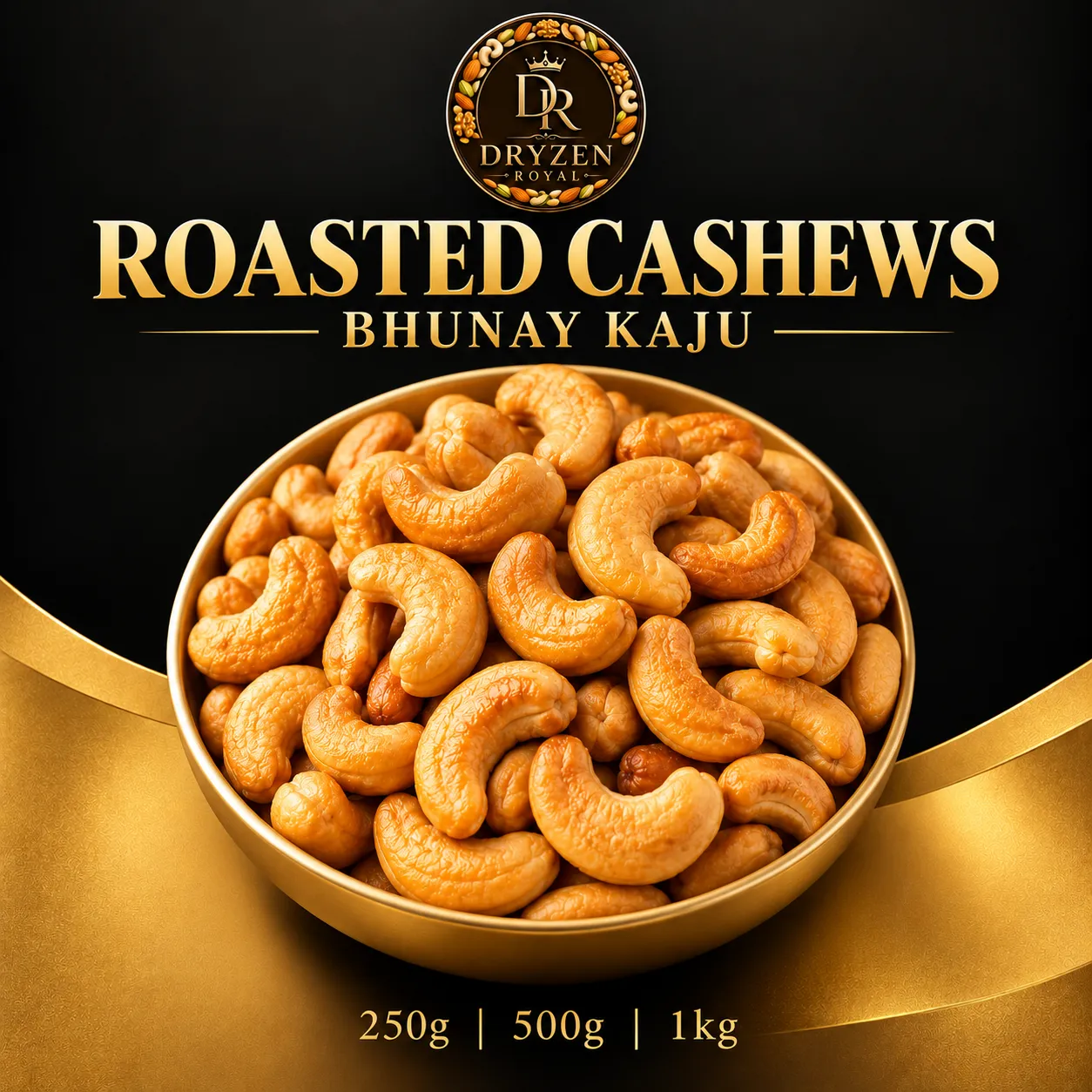
Start with fresh, edible almonds or cashews that have no off smell. Plain unsalted nuts give the most control over the finished flavour. If using salted roasted cashews, check the ingredients and taste the nuts before adding any seasoning. Strong masala-coated nuts usually make a less versatile spread. You can use broken nuts if they are fresh and sold for food use; whole premium-looking pieces are not essential when everything will be ground. Keep different nut varieties separate for the first batch so you can learn their texture.
Read the appliance manual for nut-butter suitability, recommended batch size, maximum run time and cooling breaks. A capable food processor or a suitable high-powered blender is usually the practical choice. Do not transfer timing or speed settings from an online recipe to a different machine. Vitamix's nut-butter guide, for example, gives instructions for its own equipment. Use those directions only with compatible equipment. Stop if the motor struggles, overheats or smells unusual; forcing the machine will not improve the recipe.
For a food processor that supports a modest batch, around 250 grams of nuts can be a useful starting quantity, provided it meets the manufacturer's minimum and maximum fill guidance. Keep optional ingredients simple: a pinch of salt and a small amount of suitable neutral oil if the appliance recipe calls for it or the texture needs adjustment. Do not add water to force the mixture to circulate. A water-based nut sauce is a different preparation with different storage needs. Have a clean, completely dry container ready before you begin.
First, nuts break into coarse pieces. Next, the pieces become a sandy meal. With continued suitable processing, the meal starts clumping into a thick paste. Finally, released nut oils help create a more spreadable mixture. The dry-looking middle stage can make homemade nut butter seem unsuccessful even when it is developing normally. Follow the machine's permitted processing cycles, pause as needed and scrape the sides only with the machine switched off and blades stopped. Never push a spoon toward moving blades. Use only the manufacturer's approved tamper when applicable.
Almond skins produce visible flecks, so an almond spread may not look perfectly pale even when finely processed. Roasting affects aroma and colour; an aggressively dark roast can dominate the entire jar. Cashews make a gentler tasting spread that works with cardamom or a little cocoa. Neither nut guarantees a particular finish in every machine. The freshness of the nuts, batch depth and blade design all matter. If a rustic texture suits your breakfast, there is no need to keep processing only to chase the appearance of a commercial stabilised product.
If the blades spin without moving the nuts, stop and check whether the batch is too small for the bowl or the mixture needs scraping. If it remains thick, give the machine an appropriate rest before the next permitted cycle. Add oil only gradually when suitable for your recipe; a large pour can make the spread unexpectedly runny. If the texture is grainy, finer processing may help, but do not exceed appliance limits. A burnt smell is a reason to stop, not a stage that must be pushed through.
Make the plain base first and divide it into small portions. Try a little cinnamon in almond butter or a pinch of cardamom in cashew butter. A small amount of cocoa powder gives a darker flavour but also thickens the spread. Add it gradually and taste. Sweeteners can alter texture, so experiment with a spoonful of the base before changing the full jar. Keep fresh fruit, milk and yogurt out of the stored batch; combine them with homemade nut butter only when preparing a meal.
Spread a thin layer on toast and add sliced banana at serving time. Stir a spoonful into warm oats. Use a small amount in a yogurt bowl, adjusting the thickness with yogurt rather than water in the storage jar. Pair almond butter with chopped dates for a dessert topping. For savoury cooking, whisk a separate portion with the other ingredients in a recipe designed for a nut sauce. These uses let one neutral batch serve several meals without committing the whole jar to a strong flavour.
Transfer the cooled spread to a clean dry container, date it and refrigerate. Make a modest batch for prompt use instead of assuming a commercial product's long shelf life applies at home. Natural oil separation can occur; stir with a clean dry utensil. Discard any moldy or otherwise spoiled batch. Nuts remain allergens after grinding. The FDA's food-allergy guidance explains why ingredient checks and avoiding cross-contact matter. Label a shared jar with the nuts it contains rather than calling it simply a breakfast spread.
Record the nut type, quantity, roast level, appliance and any added oil. Note whether you preferred the texture straight after processing or after refrigeration, when it can become firmer. This makes homemade nut butter easier to repeat and helps you compare the cost of a batch with a purchased jar. Browse almonds or roasted cashews, checking seasoning details before choosing. For serving ideas, explore our dry fruit breakfast guide.
No. Check the manufacturer's instructions for thick nut mixtures, batch size and run-time limits. Some blenders require liquid and are unsuitable for this task.
No. Water changes the preparation into a different type of product. Follow an appropriate nut-butter recipe and use only its suggested oil adjustments.
Almond skins create visible brown flecks. Specks alone do not mean the mixture is underprocessed.
Yes, if their flavour suits your recipe. Check for other seasonings and taste before adding any more salt.
Fasih Frankly
SEO Expert and eCommerce Specialist. Shopify, eBay and online selling.
Questions about this article?
Email us and we will get back to you.
Explore more
