- 100% Natural
- Premium Quality
- No Preservatives
- Fresh & Healthy
Cook makhana curry with plain fox nuts, tomato and yogurt. Follow roasting, gentle gravy cooking and last-stage mixing tips to control the final texture.
Makhana curry combines plain fox nuts with a tomato-and-yogurt gravy. The makhana is lightly roasted first and stirred in near the end, giving more control over how soft it becomes. It is a different use from a crisp tea snack or a milk pudding.
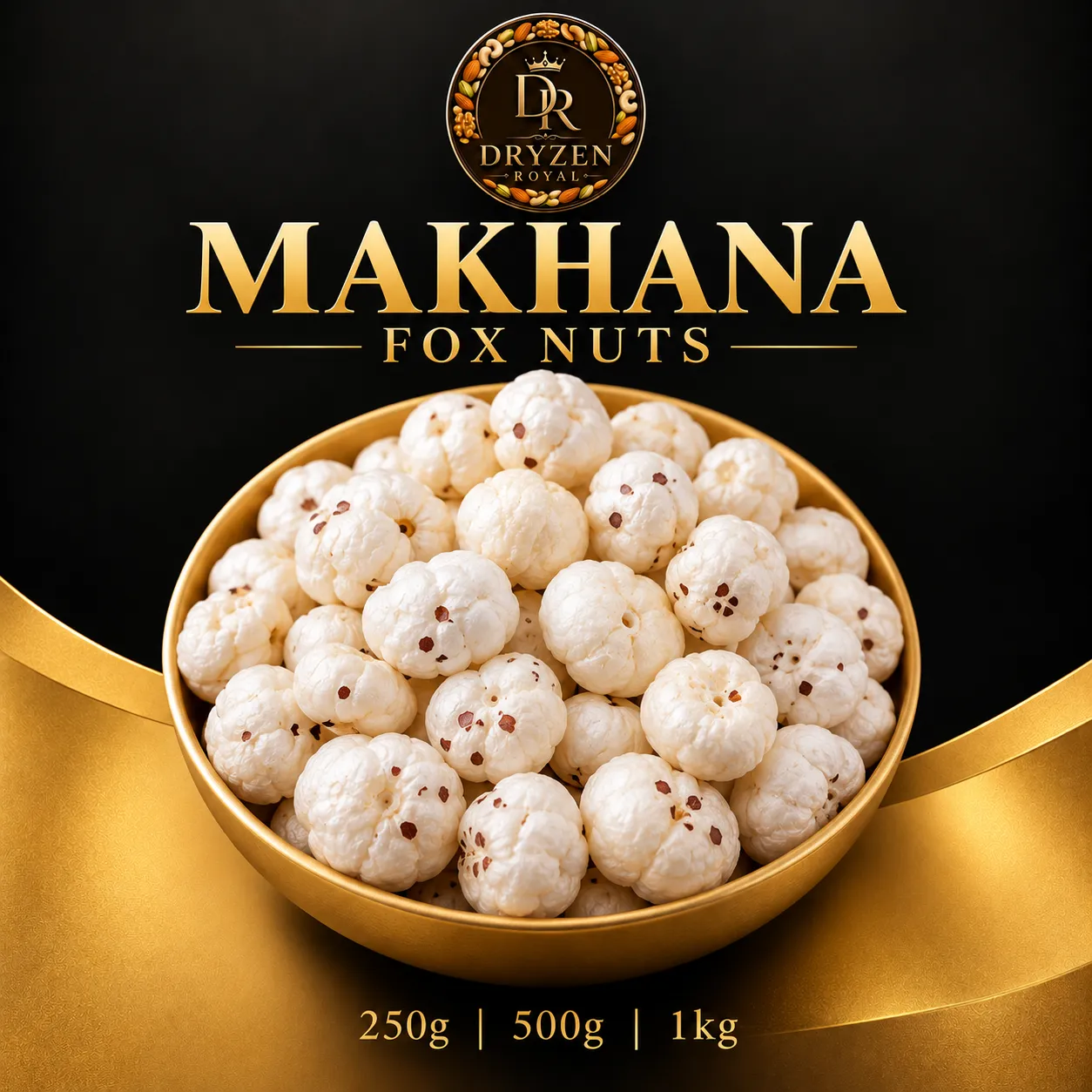
This recipe makes roughly three to four accompaniment portions. Serve with rice or flatbread, keeping the gravy moderately thick so it coats rather than floods the pieces.
Allow fifteen minutes for preparation and around twenty-five minutes for cooking.
Use plain unseasoned fox nuts. Read the product details rather than treating every flavoured snack pack as the same ingredient.
Warm the makhana in a dry pan over low-to-medium heat, stirring until crisp when a cooled piece is broken. Transfer out before it darkens.
Do not leave it in a hot pan while preparing the gravy. Residual heat can scorch small pieces.
Our makhana flavour guide gives dry-snack ideas. This curry has different moisture and storage needs.
Heat oil and soften the onion. Add ginger, garlic and spices briefly, then tomatoes. Stir over moderate heat until the mixture looks cooked and concentrated.
Add the measured water and simmer gently. If you want a smoother base, cool enough to blend safely with suitable equipment, then return to the pan.
A raw watery tomato mixture is not corrected by adding more makhana. Cook the base to the desired consistency first.
Lower the heat. Add whisked yogurt in small portions while stirring. Avoid a fierce boil.
Simmer gently until the gravy is even and hot. Add salt gradually and assess a cooled spoonful. Stock or seasoning mixes, if used, require separate ingredient checks.
Stir in the roasted fox nuts for the final few minutes. Taste one after it cools enough to handle and stop when the softness suits you.
For more contrast, add makhana just before serving and coat briefly. For a softer dish, allow a little longer in the gravy.
Do not expect it to stay crisp after prolonged wet storage. Keeping reserve gravy and roasted pieces separate can help when serving in rounds.
Offer rice or bread and a small herb garnish if desired. Avoid adding several rich toppings before tasting the base.
For a sweet preparation on another day, our makhana kheer uses milk and a different simmering goal.
If the dish is too thick, add hot water a spoonful at a time. If thin, reduce the gravy before adding the remaining makhana rather than boiling the pieces indefinitely.
Refrigerate leftovers promptly in a clean covered container at 4°C or below. Reheat a portion thoroughly, stirring gently so softened pieces do not break excessively.
Check yogurt and packaged spices for relevant ingredients. Do not describe the dish as suitable for all allergies or as a medical treatment.
Keep the dry reserve sealed away from wet spoons. A cooked curry cannot be stored by the same rules as the original dry ingredient.
Check the fox nuts for hard debris and set the yogurt and spices out before heating. Weigh and inspect before starting the hot stage, then close the source packs. Small prepared bowls reduce interruptions and make accidental double additions less likely. If you pause midway, mark which ingredients have already entered the mixture.
Roast the dry ingredient separately while the tomato base cooks in its own pan. Allow the component that needs cooling or resting to begin first. Keep the next piece of equipment ready so the transition is controlled. The clock is useful for planning, but the stated texture and appearance remain the more important cooking cues.
Taste the completed gravy before adding the final portion of fox nuts. Make one measured correction, mix thoroughly and reassess. A small test portion helps prevent an irreversible adjustment across the whole recipe. Keep notes on the preparation used, because a different product or pan can explain a different result.
Serve the working amount promptly and keep any reserve gravy separate when practical. Plan the serving container and storage space before making a larger batch. Do not assume twice the ingredients fit safely into the same pan or cool in the same time. Protect the reserve from repeated handling and label any transferred food clearly.
Before adding the fox nuts, put a teaspoon of gravy on a plate and observe whether it spreads quickly or holds a soft mound. Note the result you liked. The same test on a later batch helps compare different tomatoes and yogurt without needing to guess from the pan surface.
If the sauce is unusually sharp, let the tomato stage finish before adjusting it. Adding dairy early to hide raw tomato flavour can complicate the mixture without addressing the original cooking stage. A cooled tasting sample is easier to assess than a boiling spoonful.
For staggered serving, reserve part of the roasted makhana dry and keep the appropriate gravy portion safely stored. Combine only the next serving round. This is especially useful when one person wants a firmer texture while another prefers softer pieces.
Write down the actual water added, yogurt thickness and final simmer after mixing. Those details explain the texture more clearly than simply recording the total time spent at the stove.
Keep a brief preparation note with the actual quantities used for your next batch.
Explore Makhana (Fox Nuts) when planning makhana curry. Check the current preparation and pack information, choose the quantity your recipe needs, and keep the remaining dry ingredients stored as directed.
Add them near the end. Long simmering makes them much softer and can remove the contrast.
Plain makhana is easier to balance. Strong coatings change both salt and flavour.
High heat or a very cold addition can contribute. Whisk it smooth and add gradually over low heat.
No. Once mixed into a wet gravy, it needs the handling appropriate to a prepared perishable dish.
Questions about this article?
Email us and we will get back to you.
Explore more
