- 100% Natural
- Premium Quality
- No Preservatives
- Fresh & Healthy
Try five easy makhana recipes with cumin, pepper, chaat masala, cinnamon and nuts. Learn roasting, seasoning and storage tips for a crisp homemade snack.
Makhana recipes are an easy way to turn a plain packet of fox nuts into a fresh tea-time snack. The important step is getting the centre crisp before adding seasoning. This guide offers five small-batch flavour ideas, a simple stovetop method and practical fixes for chewy or unevenly coated makhana. Start with plain, unseasoned makhana so you can control the salt, spice and sweetness yourself.
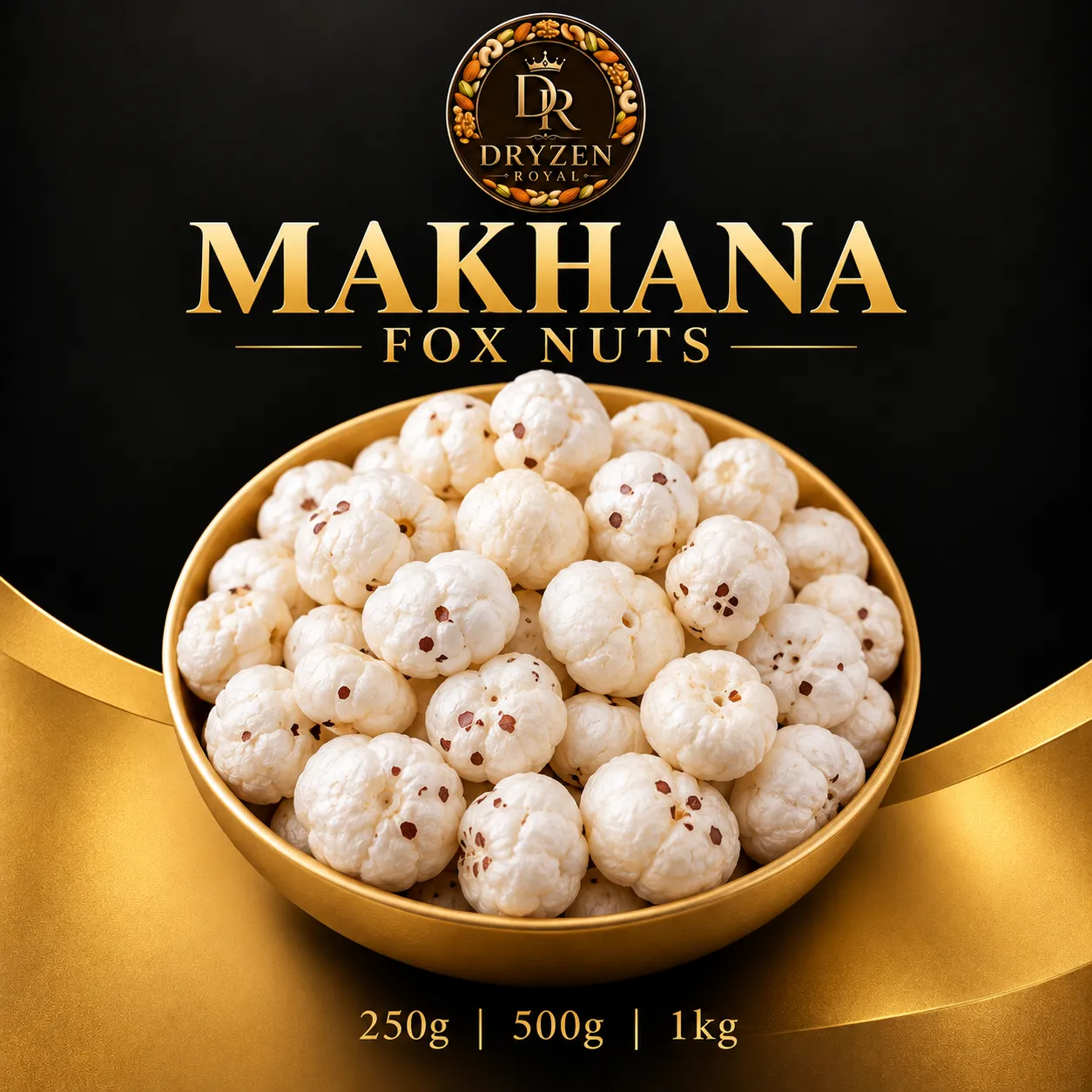
Use plain popped makhana sold for cooking or snacking, rather than a flavoured ready-to-eat mix. Check the packet for ingredients and storage directions. Pieces naturally vary in shape, size and tiny brown markings; that variation is different from dampness, mustiness or damaged packaging. A large frying pan, a dry spoon and a clean plate are enough for these makhana recipes. Measure your ingredients before heating the pan, because ground spices can scorch quickly while you search for the next jar.
For a small batch, start with about 2 loosely filled cups of makhana and 1 to 2 teaspoons of ghee or a neutral cooking oil. Warm a wide pan over low to medium-low heat. Add the makhana and stir frequently so different surfaces meet the pan. Expect several minutes of roasting; the exact time depends on the pan, heat and starting moisture. Remove a piece, let it cool enough to handle and break it. The centre should feel crisp rather than rubbery. Do not judge the whole batch only by a browned exterior.
Once crisp, transfer the makhana to a plate. Lower the heat, add the measured fat if you dry-roasted first, and stir in your chosen dry seasonings briefly. Return the makhana, toss until evenly coated and take the pan off the heat. Taste a cooled piece before adding more salt. The Tarla Dalal masala makhana demonstration illustrates the separate roasting and seasoning approach; the flavour combinations below are suggestions for your own kitchen.
For the two-cup base, mix a quarter teaspoon of ground roasted cumin, a small pinch of black pepper and salt to taste. Toss with the warm makhana and a little ghee or oil. Start gently with pepper, especially when serving guests who prefer mild food. This is a useful first batch because the seasoning leaves the roasted flavour easy to taste. Serve with plain tea and keep stronger accompaniments in separate bowls. If the spices collect on the plate, use a little less powder next time rather than repeatedly adding fat.
Season the roasted base with a quarter teaspoon of chaat masala and a pinch of mild chilli powder, then taste. Many chaat masalas already contain salt, so check before adding extra. For an immediately served snack, a few drops of lemon can add brightness, but moisture softens the crisp texture. Keep lemon wedges on the side when making a bowl for several people. Of these makhana recipes, this version is especially easy to customise: one person can add chilli while another keeps their portion mild.
Combine a quarter teaspoon of mild paprika with a small pinch of garlic powder and salt. Toss through the warm base after taking the pan off direct heat. Garlic powder can become bitter if it burns, so avoid frying it hard in a smoking pan. Use dry powder rather than fresh garlic for this crisp snack variation. If you only have hot paprika, begin with less. A little ground cumin can add a familiar savoury note, but add one flavour at a time so the result does not become muddy.
For a sweet-style variation, use a pinch each of cinnamon and ground cardamom with the lightly greased roasted base. If you want sweetness, add a small amount of finely powdered sugar after removing the pan from heat. Taste and adjust gradually; the aim is a light dusting rather than a thick coating. These makhana recipes do not require sticky syrups. Honey or melted jaggery changes the method and texture, so save those for a separate recipe designed around a cooked coating. Let this version cool before serving.
Prepare the cumin version and cool it fully. Add a small handful of ready-to-eat roasted cashews and a spoonful of edible seed kernels. Keep additions modest so the light makhana stays the main ingredient. Check whether your nuts and seeds are salted before adjusting seasoning. You can explore roasted cashews and sunflower seeds for ingredients; confirm whether a seed product is shelled before using it in a ready-to-eat mix. Add chewy dried fruit just before serving if you want to preserve the contrast.
Chewiness often means the centre needs more gentle roasting, or the cooled snack has absorbed moisture. Return an unspoiled plain batch to a dry pan briefly and check the texture again. Oily makhana usually needs less added fat next time; a thin film is enough to help dry spices cling. A bitter taste can come from burnt seasoning. Lower the heat and add delicate powders at the end. Never use reheating to rescue food with mold, pests or an off smell.
Spread the snack out and cool it completely before closing the container. Trapping steam works against the crisp texture you just created. Store dry-seasoned makhana in a clean, airtight container away from heat and moisture, and follow the original product's storage instructions. Make a small amount you can enjoy soon rather than assigning a long homemade shelf life. For more pantry advice, read how to store dry fruits.
Begin with one flavour, write down the seasoning amounts you liked and adjust the next batch. The same packet can then support several makhana recipes without buying a large collection of ingredients. See the Dryzen Royal makhana listing for current pack options and prices. Keep ingredient labels available when serving a mixed snack to guests, especially when adding nuts or dairy-based ghee.
The centre may need more gentle roasting, or the snack may have absorbed moisture. Check a cooled piece, use a wide pan and cool completely before packing.
Yes. Use a little suitable cooking oil, or dry-roast and accept that loose powdered seasoning may not cling as evenly.
Add it after the makhana is crisp, with low heat or off the heat. Taste before adding salt because many chaat masalas already contain it.
Lemon introduces moisture and softens the texture. Offer it at serving time and store only the dry-seasoned portion.
Fasih Frankly
SEO Expert and eCommerce Specialist. Shopify, eBay and online selling.
Questions about this article?
Email us and we will get back to you.
Explore more
