- 100% Natural
- Premium Quality
- No Preservatives
- Fresh & Healthy
Make makhana jaggery bites with measured gur and crisp fox nuts. Follow syrup-temperature, safe spooning and cooling steps for small homemade clusters.
Makhana jaggery bites use a hot gur coating to hold small groups of crisp fox nuts. They are spoon-set clusters rather than sweets rolled by hand while hot. The jaggery supplies sugar, so the recipe should not be described as sugar-free or a medical snack.
The hot-sugar stage needs a clear work area and suitable equipment. Prepare everything before heating and keep children and pets away. A small batch is easier to control than a large pan of rapidly setting syrup.
Allow twenty minutes for preparation and cooking, followed by complete cooling.
Use a heavy saucepan, high-temperature sugar thermometer, heatproof long-handled spoon and a baking-grade silicone-lined metal tray.
Check the liner's temperature rating. Ordinary plastic, waxed paper or an unprotected surface is not a suitable landing area for hot syrup.
Inspect makhana and roast gently in a dry pan until a cooled piece breaks crisply. Transfer to a plate and cool fully.
Large pieces may be broken into manageable halves. Keep the ingredient dry before it meets syrup.
Our fox nut preparation guide offers other uses. Strongly flavoured snack coatings change this recipe.
Put jaggery and measured water in the saucepan and dissolve gently. If the product requires straining, do that carefully at a suitable warm stage before returning to a clean pan.
Use a product fit for food and discard unsuitable material. Do not treat boiling as a way to repair spoiled ingredients.
Keep the prepared tray nearby and the route clear. Once syrup reaches its stage, you should not be looking for utensils.
Bring to a controlled boil and monitor with a correctly positioned thermometer, following its instructions.
A firm crisp-cluster result generally needs syrup near the hard-candy range, around 150°C to 152°C for this trial. Jaggery composition varies, so watch closely and avoid scorching.
Do not test temperature with a finger or touch a drop to the skin. Darkening and bubbling do not make the syrup safe to handle.
Remove the pan from heat and carefully stir in optional ghee and cardamom, then the dry cooled makhana.
Use broad controlled movements with the heatproof spoon. Avoid splashing and keep hands away from steam and syrup.
Spoon small groups onto the prepared liner. Do not attempt to roll them between your palms.
Similar small clusters cool more predictably than a single thick mound. Leave space and keep the tray on a stable protected surface.
Leave undisturbed until fully cold and firm. The centre can remain hot after the surface looks set.
Only handle once safe. Break an oversized cooled group carefully if needed, avoiding sharp excessive shards.
For a chocolate-coated alternative, our makhana chocolate clusters use a different melting and setting process.
If sticky, check whether the syrup reached the intended stage and whether storage humidity later softened it.
If bitter, jaggery or fox nuts may have scorched. Adding more spice does not remove burnt flavour.
Keep a note of jaggery product and successful temperature rather than assuming every dark sugar behaves identically.
Use clean food-safe airtight packaging only after full cooling. Keep away from heat and steam.
Identify ghee and other actual ingredients when sharing. Do not invent a long shelf life or a health claim.
Make only what you can handle and store sensibly. The dry makhana reserve should remain separate from syrup tools and damp cleaning areas.
Measure dry fox nuts and jaggery before preparing a protected cooling tray. Keep this preparation separate from the unused ingredient packs. Put measured amounts in small bowls so a pause or interruption does not lead to the same ingredient being added twice. Retain the original labels when ingredients are transferred into other containers.
Roast and cool the makhana first, then give the hot syrup stage uninterrupted attention. Check the equipment and available space before starting the stage that needs continuous attention. A short written order of tasks can prevent a cooked component waiting unnecessarily while another is still being prepared. Use the stated texture cues alongside the clock.
Use a suitable thermometer and a small spooned sample rather than touching the syrup. Make the smallest practical adjustment, combine it fully and reassess before adding more. Keep a note of the quantity actually used and the preparation of the source product. This gives the next batch a clear reference instead of several simultaneous changes.
Cool every cluster fully before packaging and keep children away from the hot-sugar work area. Separate the working amount from the untouched reserve and choose packaging that suits the prepared food. A dry ingredient and a dish made from it can have different storage requirements. Keep serving utensils clean and ingredient information accessible to anyone sharing.
Check the tray liner's temperature suitability and set it on a stable protected surface. The space should be clear before the pan reaches its stage, because hot syrup should not be carried around while searching for somewhere to put it.
Keep a long-handled heatproof utensil ready and make small clusters. A thick mound retains heat longer, so wait for complete cooling before touching or packing any portion.
For a repeat batch, note the jaggery product and whether any straining was needed. Darker appearance alone does not establish the syrup temperature. The thermometer and careful observation remain more useful than copying a colour from a photograph.
If cooking for guests, make a small trial first and keep the ingredient information with the finished treats. Do not use a first hot-sugar attempt as a rushed last-minute serving task.
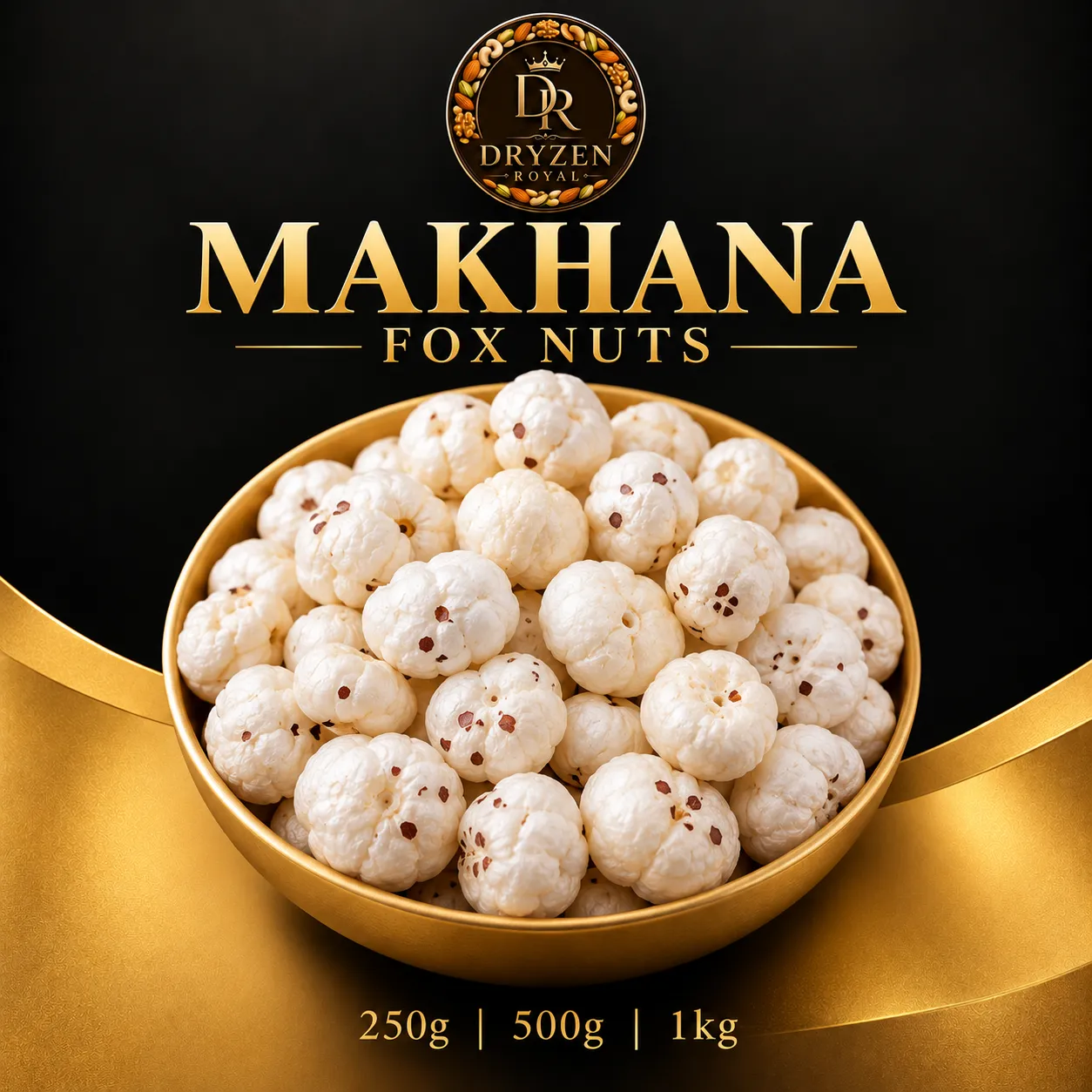
For ingredients for makhana jaggery bites, view Makhana (Fox Nuts). Review the current product details and choose a pack that fits your cooking or gifting plans.
No. This method uses a heatproof spoon; hot syrup can cause serious burns.
No. Jaggery is a sugar ingredient.
Use dry cooled crisp pieces and keep water splashes away from hot sugar.
A suitable sugar thermometer is more reliable, particularly with naturally dark jaggery.
Questions about this article?
Email us and we will get back to you.
Explore more
