- 100% Natural
- Premium Quality
- No Preservatives
- Fresh & Healthy
Make pistachio cheesecake cups with measured cream cheese, biscuit crumbs and pista. Follow chilling, portioning and topping tips for a small no-bake dessert.
Pistachio cheesecake cups layer a small biscuit base with a soft cream-cheese filling and chopped pista. They are served in their containers, so the filling does not need to hold the shape of a large unmoulded cake. That makes portioning straightforward without adding a setting ingredient at random.
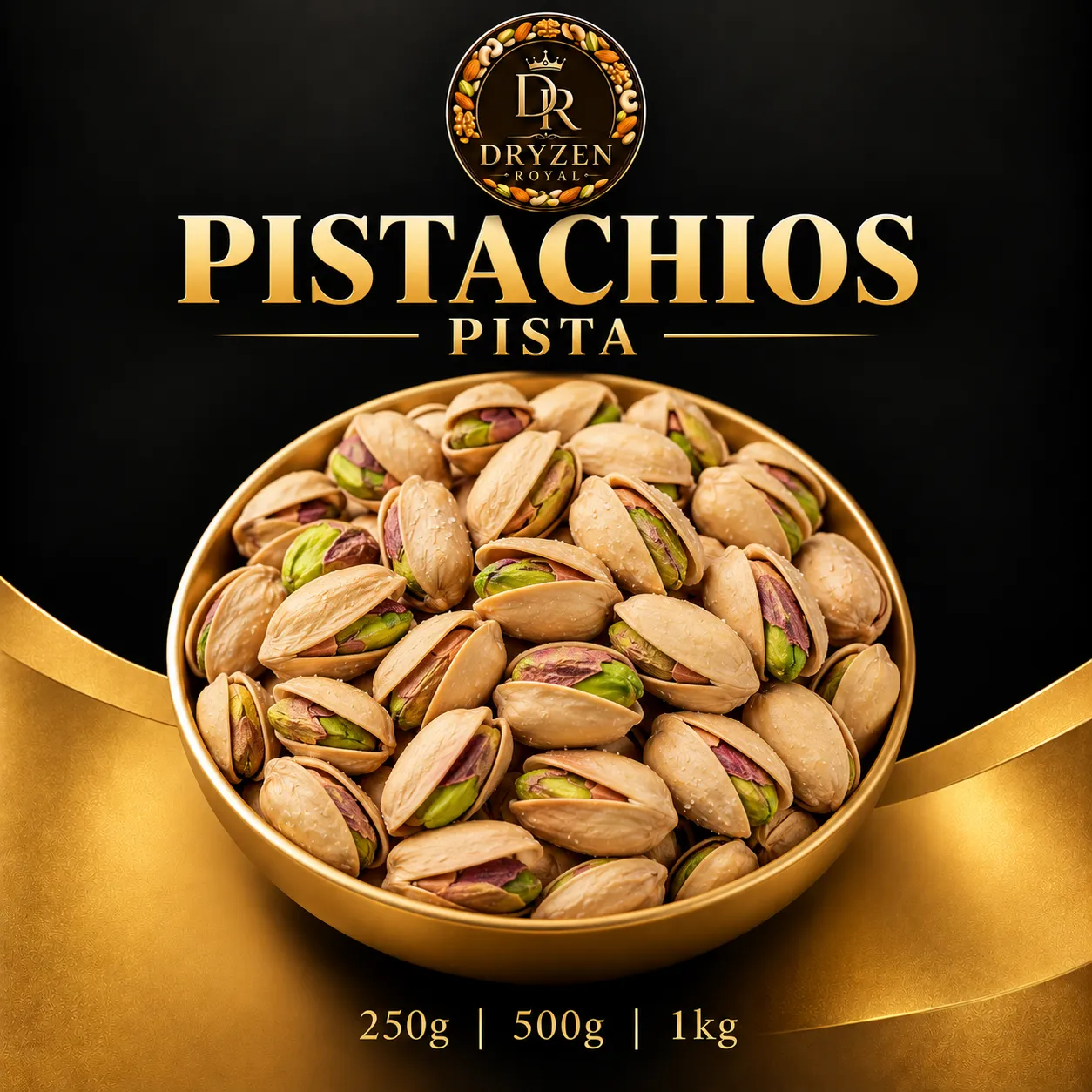
This recipe contains no raw egg and requires no oven, but it still needs careful cold storage. Prepare only the number of glasses you can refrigerate comfortably. A decorative serving arrangement does not change the needs of the dairy ingredients.
Choose four food-safe glasses of about 150ml to 180ml. Allow twenty minutes for assembly and several hours to chill.
Read the biscuit and cream-cheese labels. Salt, sweetness and texture differ between products. This recipe does not assume all soft cheese is the same preparation.
Crush the biscuits into fine crumbs and mix with cooled melted butter. Divide among the glasses and press lightly.
A dense thick base is harder to eat with a small spoon. Keep enough room for the soft filling and a little topping rather than filling half the cup with crumbs.
Chill the bases while preparing the filling. Do not pour hot butter directly into cold dairy or assemble over a still-steaming mixture.
Weigh kernels after shell removal and chop small enough for a spoonful. Keep most for the surface, with a little folded into the filling if desired.
Our pistachio garnish guide explains cut sizes. Large hard pieces can overwhelm a soft cup dessert.
Plain unsalted pista gives the clearest control. Check the actual product listing before ordering; the recipe does not promise every preparation is stocked.
Stir the cream cheese until smooth enough to combine. Add yogurt, icing sugar and optional vanilla, mixing gently until even.
Do not keep beating merely to create more volume. The intended texture is spoonable and soft, not a stiff buttercream. If the product is unusually loose, assess the actual cheese and yogurt before adding random powder.
Fold in a small portion of finely chopped nuts if wanted. Taste with a clean spoon and adjust sugar modestly. Keep the ingredient bowl cool and return it to refrigeration during any long pause.
Spoon small amounts into each glass in rounds so one serving does not receive most of the mixture. Level gently without pushing filling down into the crumb.
Cover and refrigerate until thoroughly cold, ideally for at least three hours. The time depends on serving size and appliance conditions.
Keep the refrigerator at 4°C or below. Avoid crowding the glasses so tightly that cold air cannot circulate appropriately.
Scatter the remaining dry pista shortly before eating for a clearer texture contrast. A small amount is enough; the cup need not carry a thick nut layer.
Offer the glasses cold and bring out only the required portions. If serving a group in rounds, keep the reserve covered in the refrigerator.
For a frozen pista dessert with a different structure, see our pistachio kulfi recipe. Freezing this cheesecake mixture does not automatically create the same product.
If crumbs turn wet, review butter quantity and whether the dairy mixture was unusually thin. More biscuit on top does not correct the original base.
If the filling is too sweet, begin with less icing sugar on the next batch rather than adding a large amount of yogurt, which changes consistency.
If your cups feel too heavy, reduce serving size or keep the base thinner. Do not make unsupported health claims to justify larger portions.
The recipe includes dairy, pistachios and usually wheat through biscuits. Check all actual products for other relevant ingredients.
Do not describe the cups as universally allergy-safe, sugar-free or suitable for a medical diet. The useful promise is a clear homemade recipe with identifiable components.
Keep table leftovers separate from the reserve. Use clean utensils for filling and topping, and never return a dairy-coated spoon to the original dry nut container.
Weigh the edible kernels after shell removal and check biscuit and dairy labels before beginning. Weigh and inspect before starting the hot stage, then close the source packs. Small prepared bowls reduce interruptions and make accidental double additions less likely. If you pause midway, mark which ingredients have already entered the mixture.
Prepare the crumb base first and keep the dairy ingredients cold until the mixing stage. Allow the component that needs cooling or resting to begin first. Keep the next piece of equipment ready so the transition is controlled. The clock is useful for planning, but the stated texture and appearance remain the more important cooking cues.
Assess sweetness in a small finished filling sample before adding more sugar to the bowl. Make one measured correction, mix thoroughly and reassess. A small test portion helps prevent an irreversible adjustment across the whole recipe. Keep notes on the preparation used, because a different product or pan can explain a different result.
Serve individual chilled cups and add the dry topping only near eating. Plan the serving container and storage space before making a larger batch. Do not assume twice the ingredients fit safely into the same pan or cool in the same time. Protect the reserve from repeated handling and label any transferred food clearly.
For consistent portions, divide the filling by weight before adding the topping. Small even servings chill more predictably than one overfilled glass beside several shallow cups.
Explore Premium Pistachios Pista Nuts Dryzen Royal when planning pistachio cheesecake cups. Check the current preparation and pack information, choose the quantity your recipe needs, and keep the remaining dry ingredients stored as directed.
No. The dairy filling needs cold storage and should not remain on a warm table for extended serving.
Check the preparation and test a small amount. Plain kernels give more control over the dessert flavour.
Stop once smooth and combined. Overworking some dairy mixtures can make texture less stable.
A free-standing cake needs a different setting and structure assessment. These are served in cups.
Questions about this article?
Email us and we will get back to you.
Explore more
